
Planting
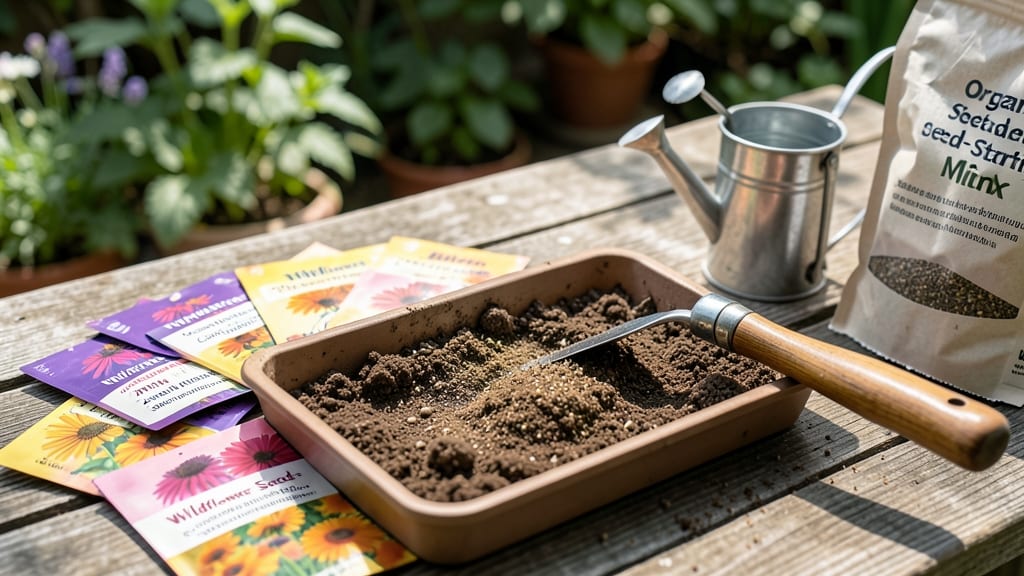
Wildflower seed packets changed my summer garden from a sea of green to a riot of color—without the work of annuals. 🌻 The secret isn't just tossing seeds on bare soil; it's matching your mix to your climate, timing the sowing right, and letting nature do the heavy lifting once they're in.
Start with a mix suited to your region (check the packet!) and prepare soil by raking lightly to break up crust—no tilling needed. Scatter seeds thinly (they self-sow like crazy) and press them into the top ¼ inch of soil.
Most wildflowers thrive with zero fuss after that first watering. By late summer, you'll have blooms that attract bees, butterflies, and hummingbirds—and they'll reseed themselves year after year. The best part? No deadheading, no fertilizing, just pure, effortless beauty that grows back stronger every season.
Perfect for meadows, borders, or even container gardens. Here's how to get started without overcomplicating it!
📚 In This Guide
- What you need
- Instructions
- Tips and common mistakes
- Wrapping up and next steps
What you need
- ● Wildflower seed packets – Choose native varieties for your climate (e.g., Black-eyed Susan, Coneflower, or Cosmos). Start with 1–3 packets (about 0.5–1 lb of seeds) for a small plot (~100 sq ft).
- ● Prepped soil or growing medium – Loose, well-draining soil (native soil, compost, or a mix of 60% topsoil + 40% compost). Avoid heavy clay unless amended.
- ● Water source – A garden hose with a gentle spray nozzle or a watering can (1–2 gallons capacity).
- ○ Optional but helpful tools: A hand rake (for smoothing soil).
- ● A broadfork or garden hoe (to loosen soil 4–6 inches deep).
- ● Garden twine or stakes (if marking rows).
- ● Mulch or straw – ¼-inch layer to retain moisture (especially in dry climates).
- ● Seedling trays or biodegradable pots – For starting seeds indoors (if your region has a short growing season).
- ○ Organic fertilizer – A low-nitrogen, balanced blend (5-5-5) to boost early growth (optional for nutrient-poor soil).
- ● Wildflower companion plants – Fast-growing clover or ryegrass to suppress weeds until wildflowers establish.
How to plant and maintain wildflower seed packets for year-round blooms
Turn those seed packets into a vibrant, low-maintenance garden that thrives with minimal effort.
🌱 Step 1: Prepare the Soil for Optimal Germination
Choose a sunny spot with at least 6 hours of direct sunlight daily—wildflowers need full sun to thrive. Loosen the top 2-3 inches of soil with a rake or hoe to break up compaction, which helps roots establish faster. If your soil is heavy clay or very sandy, mix in 1-2 inches of compost to improve drainage and fertility.
Wildflowers love well-draining soil, so avoid low-lying areas where water pools. A gentle slope or raised bed works best. I like to scatter the seeds directly onto the prepared soil—no need for rows or deep planting. Lightly press them into the surface with your hand or a board to ensure good seed-to-soil contact. This prevents seeds from washing away during rain.
💧 Step 2: Water Strategically for Strong Starts
Water the area lightly but thoroughly right after planting, keeping the soil consistently moist until germination. Most wildflower seeds need 1/4 to 1/2 inch of water per week, but avoid soaking the soil—overwatering can cause seeds to rot. Use a gentle spray nozzle or soaker hose to keep the soil surface damp without disturbing the seeds.
You’ll know you’re doing it right when the soil feels like a wrung-out sponge—moist but not soggy. Once seedlings appear (usually in 10-21 days, depending on the mix), reduce watering to once a week unless your area experiences extreme heat or drought. Wildflowers are drought-tolerant once established, but young plants need steady moisture to root deeply.
☀️ Step 3: Let Nature Take Over—Minimal Maintenance Required
Wildflowers thrive with zero fertilizers or pesticides. In fact, adding fertilizer can make them grow too lush and flop over. Instead, let them establish naturally. If weeds start competing, hand-pull them when young—don’t let them steal nutrients from your wildflowers. I pull weeds in the early morning when the soil is damp and the plants are pliable.
Once blooms appear (usually 6-12 weeks after planting), enjoy the show! Deadhead spent flowers by snipping them back to the base with clean scissors to encourage more blooms. For a continuous display, stagger planting times—sow half the seeds now and the rest in 4-6 weeks. This ensures a steady succession of color throughout the season.
✂️ Step 4: Harvest Seeds for Zero-Waste Gardening
When flowers fade, leave some seed heads intact to dry on the stems. Once they turn brown and brittle (usually late summer to early fall), cut them off and place them in paper bags. Shake gently to release the seeds—this is your zero-waste harvest! Store the seeds in a cool, dry place until next year’s planting.
Here’s the trick: not all wildflower seeds are created equal. Some, like cosmos or sunflowers, produce abundant seeds you can replant. Others, like poppies or lupines, may not self-seed reliably. Label your seed bags with the variety and year to track what grows best in your climate. With a little patience, you’ll have a self-sustaining wildflower garden that keeps giving back.
Tips & tricks for perfect wildflower seed packets
These simple strategies will help your wildflower garden flourish with minimal fuss and maximum beauty.
Sunlight Strategy: That 6 hours of direct sunlight requirement isn't just a suggestion—it's non-negotiable for most wildflower varieties. If your yard has partial shade, consider planting sun-loving varieties like black-eyed Susans or coreopsis in the sunniest spots, while more shade-tolerant flowers like columbine can go in slightly shadier areas. I've found that even just a few hours less sunlight can result in leggy, weak stems that flop over.
Soil Prep Secret: The 2-3 inches of loosened soil in Step 1 is crucial for root establishment, but don't overdo it—you don't need to dig a trench! A simple garden fork or broadfork works perfectly. For heavy clay soils, I like to mix in 1-2 inches of compost right after loosening, then let it sit for a day before planting. This gives the soil time to settle and improves drainage naturally.
Watering Wisdom: Those 10-21 days until germination can feel like an eternity, but consistency is key. I've learned the hard way that skipping watering during this period can mean no blooms at all. Use a rain gauge to track your weekly 1/4 to 1/2 inch of water—most standard rain gauges have markings for this. Once seedlings appear, you'll notice they're surprisingly resilient once established.
Succession Planting Hack: The 4-6 week staggering mentioned in Step 3 is my favorite trick for continuous color. I mark planting dates on my calendar and set reminders. For example, if I plant half in early spring, the second half goes in late May. This ensures I have blooms from early summer through fall without any gaps. It's like having a built-in color rotation!
Pro Tips for Wildflower Seed Packets
- These simple strategies will help your wildflower garden flourish with minimal fuss and maximum beauty.
- Sunlight Strategy: That 6 hours of direct sunlight requirement isn't just a suggestion—it's non-negotiable for most w...
- Soil Prep Secret: The 2-3 inches of loosened soil in Step 1 is crucial for root establishment, but don't overdo it—yo...
Frequently asked questions
Got questions about wildflower seed packets?
You’re not alone! Here are answers to the most common ones—so you can grow a vibrant, zero-waste meadow with confidence.
When is the best time to plant wildflower seeds?
For most regions, late summer to early fall (August–October) is ideal—seeds germinate as temperatures cool, giving roots time to establish before winter. In warmer climates, early spring (February–March) works too. Check your packet for region-specific timing!
How much water do wildflower seeds need?
Keep soil consistently moist but not soggy for the first 2–3 weeks after planting. Once sprouted, wildflowers are drought-tolerant! Water deeply 2–3 times per week (or when the top inch of soil dries). Avoid overhead sprinklers to prevent fungal issues.
Can I plant wildflower seeds in containers or small spaces?
Use shallow trays, window boxes, or even repurposed containers (like old rain gutters). Choose compact varieties like cosmos, bachelor’s buttons, or sweet alyssum. Just ensure containers have drainage holes and get at least 6 hours of sun daily.
Will wildflower seeds attract pests like bees or wasps?
Wildflowers attract pollinators—but that’s a good thing! Bees and butterflies help your garden thrive. If wasps are a concern, plant bee-friendly varieties (like lavender or sunflowers) away from high-traffic areas. Avoid planting near food sources to minimize conflicts.
What if my seeds don’t sprout? Troubleshooting tips.
- Check seed viability: Test a few seeds in damp paper towels for 5–7 days. No sprouts? Try a fresh packet.
- Soil depth: Most wildflower seeds need light coverage (¼ inch max). Too deep = no germination.
- Sunlight: Ensure your spot gets full sun (6+ hours). Shady areas slow growth.
- Patience: Some seeds (like poppies) take 2–3 weeks to emerge. Don’t give up!
Still stuck? Snap a photo of your planting spot and seeds—we’re happy to help diagnose!
Wrapping up and next steps
Transforming your space with wildflower seed packets isn’t just about beauty—it’s a celebration of nature’s resilience and your creativity! Whether you’re a seasoned gardener or a curious beginner, these easy-to-grow blooms bring joy, support pollinators, and cut waste with every seed you plant. 🌸
Ready to dive in? Start small—pick a sunny spot, grab a packet, and let the magic unfold. Your garden (and the bees!) will thank you. Happy planting! 🌿