
Propagation
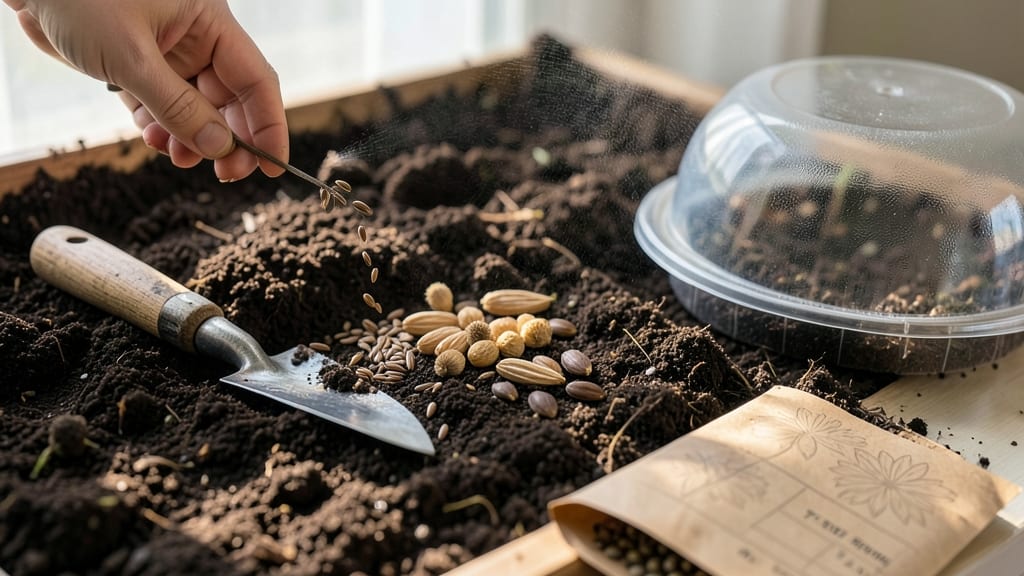
Wildflower seed germination time needs patience—but not as much as you’d think. 🌱 Some sprout in 2 weeks with the right prep, while others take months, and the difference comes down to a little trick called cold stratification.
I’ve learned that skipping this step can leave you staring at bare soil for months, but doing it right means seeing those first tender shoots in record time.
The magic happens when seeds experience a winter-like chill, mimicking their natural growing cycle. Most wildflowers prefer 4-8 weeks of cold, moist conditions before they’ll even think about sprouting.
Annuals like cosmos or zinnias often break dormancy faster, while perennials like coneflowers or black-eyed Susans take longer—sometimes up to 3 months—but the wait pays off with years of blooms.
By the time you see those first green tips, you’ll know exactly why the timing matters. A properly stratified seedling emerges stronger, with roots ready to dive into the soil. The key is consistency: keep them moist but not soggy, and protect them from freezing temperatures once they’ve sprouted.
Whether you’re planting in early spring or fall, the same rules apply—just adjust your timing. Cold stratification isn’t just a shortcut; it’s how wildflowers want to grow. Here’s how to do it right the first time.
📚 In This Guide
- What you need
- Instructions
- Tips and common mistakes
- Wrapping up and next steps
What you need
- ● Wildflower seeds: Choose native or regionally adapted varieties (e.g., Black-eyed Susan, Coneflower, or Milkweed). Aim for 1–2 pounds (or ~500–1,000 seeds) depending on your planting area.
- ● Cold stratification setup: Ziplock bags or breathable seed packets (1–2 per seed type).
- ● Moistened peat moss, vermiculite, or paper towels (enough to fully coat seeds).
- ● Waterproof marker (to label seed types).
- ● Refrigerator or cold frame: A standard fridge (34–40°F) or outdoor cold frame for stratification.
- ● Planting containers: Seed trays, small pots, or biodegradable peat pellets (with drainage holes).
- ● Potting soil: Lightweight, well-draining seed-starting mix (avoid garden soil).
- ● Spray bottle (for gentle watering).
- ● Grow lights or sunny windowsill (if indoor germination is needed).
- ● Seedling heat mat (for faster germination in cooler climates).
- ● Humidity dome or plastic wrap (to retain moisture during early stages).
- ● pH testing kit (to check soil acidity, ideal range: 6.0–7.0).
- ● Garden journal (to track germination dates and conditions).
- ● Tweezers or small spoon (for delicate seed handling).
- ● Patience: Germination times vary by species (e.g., 2 weeks–3 months for wildflowers).
- ● Consistent moisture: Keep seeds evenly damp (not soggy) during stratification.
- ● Temperature control: Maintain cold stratification at 34–40°F (1–4°C) for 2–8 weeks (check seed packet for specifics).
- ● Sunlight access: Post-stratification, provide 6–8 hours of light daily.
How to speed up wildflower seed germination using cold stratification
Wildflower seeds often need a little winter magic to wake up—here’s how to trick them into sprouting faster.
🌱 Step 1: Collect and Prepare Your Wildflower Seeds
Start by gathering fresh, mature wildflower seeds from your garden or purchasing high-quality packets. The key here is to avoid seeds that have been stored for more than a year—freshness matters. If you’re working with seeds you’ve collected yourself, let them dry completely in a paper bag for a few days to prevent mold. This step ensures your seeds are ready for the cold treatment they need to break dormancy.
For purchased seeds, check the packaging for any specific stratification instructions—some species, like lupines or delphiniums, require particularly long or intense cold periods. If no instructions are given, assume a standard 60-90 day cold treatment works for most wildflowers. This mimics the natural winter chilling they’d experience in the wild.
❄️ Step 2: Apply Cold Stratification Using the Wet Paper Towel Method
Place a stack of damp paper towels in a resealable plastic bag—just enough moisture to feel damp, not soggy. Spread your seeds evenly across the towels, spacing them so they don’t touch. Seal the bag and place it in the refrigerator, where temperatures stay consistently between 34-40°F. This cold, moist environment tricks the seeds into thinking winter has arrived, breaking their dormancy.
Check the bag every 7-10 days to ensure the towels stay damp. If they dry out, spritz them lightly with water and reseal. You’ll know stratification is working when the seeds begin to plump up slightly or show tiny cracks—this is their way of preparing to sprout. For most wildflowers, you’ll see the first signs of germination in 2-4 weeks, though some may take longer.
☀️ Step 3: Plant Stratified Seeds at the Right Time
Once your seeds have undergone their cold treatment, remove them from the refrigerator and plant them immediately—delaying this step can reduce germination rates. Fill your seed trays or outdoor beds with well-draining soil and scatter the seeds lightly on the surface. A light press with your hand ensures good soil contact, but don’t bury them too deeply—most wildflower seeds need light to germinate.
Water gently but thoroughly, keeping the soil consistently moist but not waterlogged. Place the trays in a bright, indirect light spot indoors or directly in a prepared garden bed outdoors. If planting outside, wait until the soil has warmed slightly in spring—typically when nighttime temperatures stay above 40°F—to give the seeds the best chance of thriving. You’ll see the first sprouts emerge in 1-3 weeks after planting.
🌿 Step 4: Provide Optimal Growing Conditions for New Sprouts
The moment your wildflower seedlings break through the soil, move them to a location with full sun to partial shade, depending on the species. Most native wildflowers thrive in 6+ hours of sunlight daily, but some, like shade-loving woodland flowers, prefer dappled light. Thin seedlings to 3-6 inches apart to prevent overcrowding, which can lead to weak, leggy growth.
Keep the soil evenly moist during the first few weeks, then gradually reduce watering as the plants establish deeper roots. You’ll notice true leaves—those with distinct shapes, not just the initial seed leaves—appear within 2-4 weeks after germination. This is your signal that the plants are ready for more independent care, though they’ll still need protection from strong winds or heavy rain until fully rooted.
Tips & tricks for perfect wildflower seed germination
Cold stratification might seem like gardening sorcery, but these simple tricks will help you coax even the trickiest wildflower seeds into sprouting like clockwork.
The Stratification Zone: Your refrigerator's crisper drawer is the ideal spot for cold stratification—it maintains that critical 34-40°F range without temperature fluctuations. If your fridge runs warmer, place a small fan nearby to prevent condensation buildup, which could lead to mold. I've seen seeds double in size during this phase, and that's when you know it's working!
Seed Selection Matters: Not all wildflower seeds respond the same way. Some native prairie species need the full 90-day treatment, while others like black-eyed Susans can sprout in as little as 60 days. When in doubt, check seed packets for species-specific guidance—this is where those tiny details make all the difference in your germination success.
Timing is Everything: The 7-10 day check-ins are crucial for maintaining proper moisture levels. I've learned this the hard way—when towels dry out completely, seeds can lose viability. Keep a spray bottle nearby and always reseal the bag tightly after adding water. This consistency is what separates successful germination from disappointment.
Planting Window: That 40°F nighttime temperature threshold isn't just arbitrary—it's when soil microbes become active enough to support seedling growth. If you're planting outdoors, use a soil thermometer to verify this before committing. I've found that waiting until mid-spring (around early April in most zones) gives me the best balance between warm soil and cool nights.
Pro Tips for Wildflower Seed Germination Time
- Cold stratification might seem like gardening sorcery, but these simple tricks will help you coax even the trickiest ...
- The Stratification Zone: Your refrigerator's crisper drawer is the ideal spot for cold stratification—it maintains th...
- Seed Selection Matters: Not all wildflower seeds respond the same way. Some native prairie species need the full 90-d...
Frequently asked questions
Got questions about wildflower seed germination? You’re not alone! Here are answers to the most common concerns—so you can grow a vibrant meadow without the guesswork.
How long does it take for wildflower seeds to germinate?
Germination time varies by species, but most wildflower seeds sprout between 7 to 30 days after stratification (or planting). Some, like poppies, may emerge in just 3–5 days, while others, like coneflowers, can take up to 4 weeks. Check your seed packet for specifics!
Do all wildflower seeds need cold stratification?
Not all! Many wildflowers (like sunflowers or marigolds) germinate quickly without cold treatment. However, native perennials and biennials (e.g., black-eyed Susans, milkweed) require stratification to break dormancy. For unsure seeds, try the wet paper towel method as a quick test.
What’s the best time to plant wildflower seeds for fastest germination?
Plant in early fall (September–October) for natural winter stratification, or late winter (February–March) after cold-moist treatment. Avoid summer planting—heat can dry seeds out before they sprout. Pro tip: Direct-sow in well-drained soil for best results!
Why aren’t my wildflower seeds germinating? Troubleshooting tips.
Too dry?
Keep soil consistently moist (not soggy) during germination.
Not cold enough?
Verify stratification (4–8 weeks in the fridge for most seeds).
Old seeds?
Wildflower seeds lose viability after 1–3 years—check freshness!
Poor soil?
Amend with compost or a light layer of sand for better drainage.
Still stuck? Try a soil-block method for delicate seeds!
Can I speed up germination with heat or light?
Most wildflower seeds don’t need heat mats—they rely on natural soil temps. However, bright, indirect light (like a sunny windowsill) can help post-stratification. Avoid direct sunlight, which may dry seeds out. For stubborn seeds, a seedling heat mat (70–75°F) might help—but test a few first!
Wrapping up and next steps
Growing wildflowers from seeds is a rewarding journey, and understanding wildflower seed germination time—especially with cold stratification tricks—can make all the difference! 🌱 With patience, the right techniques, and a little know-how, you’ll soon be enjoying vibrant blooms that attract pollinators and bring life to your garden.
Ready to take the next step? Start small—pick a sunny spot, prep your soil, and plant those seeds with confidence. Happy gardening!