
Lawn
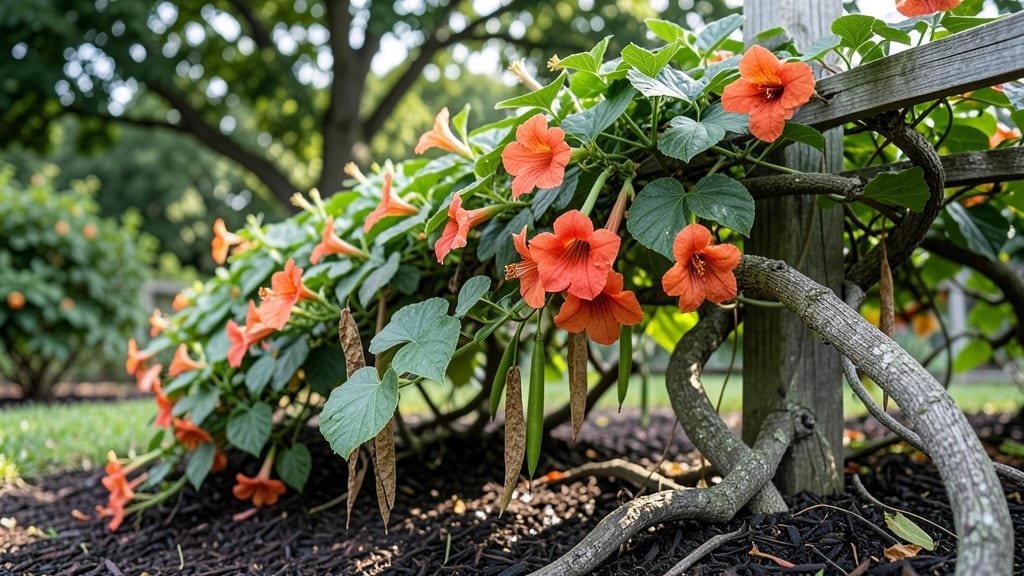
Harvesting trumpet vine seed pods before they twist is the secret to viable seeds that actually sprout. 🌱 I’ve learned the hard way—wait too long, and the pods curl up like a corkscrew, leaving you with nothing but dried frustration.
The key is timing: collect them when they’re still green but beginning to turn brown, usually in late summer or early fall, depending on your climate.
Once you’ve got them, crack open the pods carefully—don’t crush the seeds inside. You’ll need a clean, dry place to store them until spring, where they’ll stay viable for up to a year if kept cool and dry.
The trickiest part? Germination can be slow, so patience is key. I’ve found soaking the seeds overnight helps speed things up, but even then, it might take weeks before you see those first tiny shoots.
When you’re ready to plant, trumpet vines love full sun and well-draining soil. They’re tough plants, but they need space—these vines can grow 20-30 feet in a single season if given the chance.
The real payoff? Those vibrant orange flowers that hummingbirds and butterflies can’t resist. Just be prepared for their aggressive growth habit—this isn’t a plant for small gardens.
If you’re in a cooler climate, start seeds indoors 8-10 weeks before your last frost. For warmer zones, you can direct-sow in early spring. The biggest challenge?
Keeping them from taking over your trellis—or your neighbor’s fence. But once established, trumpet vines are nearly indestructible and reward you with years of bold, eye-catching blooms.
📚 In This Guide
- What you need
- Instructions
- Tips and common mistakes
- Wrapping up and next steps
What you need
- ● Mature trumpet vine seed pods: 5–10 fully ripe (brown/dry) pods per batch—harvest when they split open naturally.
- ● Pruning shears or sharp scissors: 1 pair (sterilized with rubbing alcohol to avoid contamination).
- ● Paper towels or newspaper: 2–3 sheets (for drying seeds).
- ● Small mesh bag or breathable cloth sack: 1 (for seed storage).
- ● Labeling tags & permanent marker: 1 set (to track seed varieties and harvest dates).
- ● Plastic or glass container with lid: 1 (airtight, for long-term storage—e.g., mason jar).
- ● Rubbing alcohol (70% isopropyl) & cotton swabs: 1 bottle + 5–10 swabs (for sterilizing tools).
- ● Glove (gardening or nitrile): 1 pair (to protect hands from sap or prickly stems).
- ● Magnifying glass: 1 (for inspecting seed viability up close).
- ● Seed tray or egg carton: 1 (for germinating seeds indoors, if desired).
- ● Desiccant packets: 1–2 (to absorb moisture in storage containers).
- ● Spray bottle with water: 1 (for lightly misting seeds during drying if humidity is low).
- ● Notebook or app (e.g., Gardenate): 1 (to log seed sources, germination rates, and notes).
- ● Knowledge of trumpet vine maturity: Seed pods must be fully brown/dry and split open—never harvest green or twisted pods!
- ● Access to a well-ventilated, dry area: Humidity >60% can cause mold—aim for 40–50% for ideal drying.
- ● Patience: Seeds take 2–4 weeks to dry properly before storage.
Step-by-Step guide to harvesting trumpet vine seed pods
Here’s how to collect seeds without the frustrating tangles—no more wasted pods or damaged vines.
🌿 Step 1: Identify and Wait for Ripe Seed Pods
Trumpet vine pods turn a deep brown when fully ripe, usually in late summer or early fall. Look for pods that feel dry and papery to the touch—they’ll rattle slightly when shaken. Avoid harvesting green or partially dried pods, as seeds inside won’t be viable. I like to check pods weekly once they start changing color, as they ripen unevenly on the vine.
Harvest on a dry morning after dew has evaporated. Wet pods stick to gloves and tear easily, making the process messy. If you miss the window, pods will eventually split open on their own, scattering seeds everywhere. That’s why timing matters—ripe pods yield the best germination rates.
✂️ Step 2: Harvest Pods Carefully to Avoid Twisting
Use clean, sharp pruning shears to snip pods from the vine at the stem attachment point. Cut cleanly to prevent tearing, which can damage the vine’s growth. I twist pods gently while cutting to release any tension—this prevents the vine from twisting as the pod dries further. Place harvested pods in a paper bag to let them air-dry naturally for a few days.
Never pull pods off the vine by hand, as this can snap stems or leave jagged edges that invite disease. A clean cut ensures the vine stays healthy for next year’s flowers. If pods are still slightly green at the base, leave them to finish drying on the vine—forced harvesting reduces seed quality.
🪴 Step 3: Dry and Open Pods for Seed Extraction
Spread pods in a single layer on a dry, well-ventilated surface (like a mesh screen or cardboard tray) for 7-10 days. Keep them in a warm, dry place away from direct sunlight, which can overheat and crack the pods. You’ll know they’re fully dry when they split open on their own or when pressed lightly between fingers.
Once dry, place pods in a clean cloth bag and gently crush them by hand or with a rolling pin. Seeds will spill out easily—no need for force. Sift the mixture through a fine-mesh screen to separate seeds from chaff. Store viable seeds in a sealed envelope in a cool, dark place until spring planting.
⏰ Step 4: Test Seed Viability Before Planting
To ensure your seeds will germinate, conduct a simple float test: fill a glass with water and drop 10-20 seeds inside. Viable seeds sink within 10-15 seconds, while empty or nonviable seeds float. Discard any that stay at the surface—these won’t sprout. I’ve found that trumpet vine seeds from fully dried pods typically have 80-90% viability, but testing gives you peace of mind.
Plant only the sunk seeds in well-draining soil at a depth of ½ inch, keeping them moist but not soggy. Trumpet vine seeds germinate best in warm soil (70-80°F). Cover the area with a humidity dome or plastic wrap until sprouts appear in 2-4 weeks. If germination takes longer, the seeds may need stratification—soak them in warm water for 24 hours before replanting.
Tips & tricks for harvesting trumpet vine seed pods
These little-known tricks will help you avoid the mess and frustration that comes with harvesting trumpet vine seeds.
Ripeness Check: The deep brown color and papery texture in Step 1 are your best indicators, but here's the real test: tap a ripe pod gently against your palm—it should make a hollow, rattling sound. This means the seeds inside are fully developed and ready for harvest. I've learned this the hard way after trying to harvest slightly green pods that yielded no viable seeds.
Harvesting Technique: In Step 2, the key to avoiding vine damage is using sharp pruning shears and making a clean cut at the stem attachment point. I twist the pod gently while cutting to release any tension—this prevents the vine from twisting as the pod dries. If you're worried about damaging the vine, practice on a few pods first to get the feel for it.
Drying Strategy: For Step 3, spread your pods on a mesh screen in a warm, dry place away from direct sunlight. If you're in a humid climate, consider using a small fan on low setting to improve airflow. The 7-10 day drying period is crucial—pods that dry too quickly may crack open prematurely, scattering seeds everywhere.
Viability Test: The float test in Step 4 is your quality control measure, but here's a pro move: use room temperature water for the test. Cold water can make viable seeds sink more slowly, giving you false results. Also, test a representative sample of 20 seeds—this gives you a more accurate picture of your overall seed quality than testing just a few.
Pro Tips for Trumpet Vine Seed Pods
- These little-known tricks will help you avoid the mess and frustration that comes with harvesting trumpet vine seeds.
- Ripeness Check: The deep brown color and papery texture in Step 1 are your best indicators, but here's the real test:...
- Harvesting Technique: In Step 2, the key to avoiding vine damage is using sharp pruning shears and making a clean cut...
Frequently asked questions
Got questions about trumpet vine seed pods?
You’re not alone! Here are some of the most common queries—plus quick, actionable answers to help you harvest like a pro.
When is the best time to harvest trumpet vine seed pods?
Harvest seed pods when they turn a deep brown and start splitting open naturally—usually late summer to early fall. Avoid harvesting too early (green pods) or too late (seeds may scatter or lose viability). Pro tip: Morning harvests prevent seeds from drying out in the sun.
How do I know if the seeds inside are still viable?
Viable seeds should be plump, firm, and dark brown (not shriveled or hollow). For extra assurance, float-test them: Drop seeds in water—viable seeds sink, while empty ones float. Store harvested seeds in a cool, dry place for up to 6 months.
Can I grow trumpet vine from seed pods, or do I need to buy seeds?
Trumpet vine seed pods contain seeds ready for planting—no need to purchase them. Just extract the seeds, clean off debris, and soak them overnight to speed up germination. Bonus: Growing from seed pods is cost-effective and ensures genetic diversity!
What should I do if my seed pods are infested with pests?
Pests like beetles or mold can ruin seed pods. Act fast: Isolate affected pods, discard damaged ones, and treat remaining pods with a neem oil spray (1 tsp neem oil + 1 quart water). Store harvested seeds in airtight containers with silica gel to prevent future issues.
How long does it take for trumpet vine seeds to germinate?
Germination typically takes 2–4 weeks in warm soil (70–80°F). Keep seeds moist but not soggy and place them in a sunny spot. Speed it up: Soak seeds in warm water for 24 hours before planting. Patience pays off—these vines grow fast once sprouted!
Wrapping up and next steps
Harvesting trumpet vine seed pods at the right time ensures healthy, viable seeds for your next gardening adventure! 🌱 With the right tools—like gloves, pruners, and a drying tray—you’re well on your way to growing vibrant trumpet vines.
Remember, patience and timing are key: wait for the pods to turn brown and split naturally.
Now that you’re armed with these secrets, why not share your newfound knowledge? Try growing trumpet vines in your garden or even gifting seeds to fellow green thumbs. Happy gardening! 🌿