
Lawn
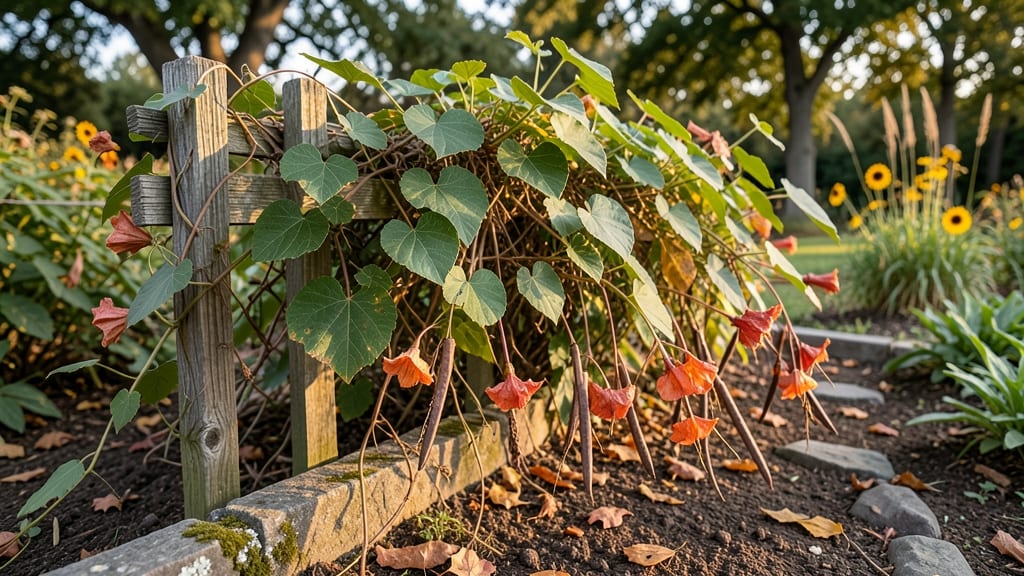
Harvesting trumpet creeper seed pods means hummingbirds will never leave your yard. 🌿 The key is timing—wait until the pods turn brown and papery before collecting them, usually late summer or early fall.
These vibrant climbers produce seeds that are surprisingly easy to grow, but only if you handle them right. The process starts with a little prep work: soak the seeds overnight to soften the hard outer shell, then rub them gently between two pieces of sandpaper to mimic natural wear.
This scarification trick tricks the seed into thinking winter has passed, so it’ll germinate faster. Plant them in well-draining soil with partial shade, and keep the area moist but not soggy.
Within 4-6 weeks, you’ll see the first tiny sprouts pushing through the soil, and by next spring, your hummingbird magnet will be covered in trumpet-shaped blooms. The best part? These plants thrive in tough conditions—drought, heat, and even poor soil—once they’re established.
If you’re dealing with slow germination, don’t give up. Some seeds take up to a year to sprout, but patience pays off with a plant that blooms from spring through fall.
Just keep the soil consistently moist and protect young seedlings from deer or rabbits until they’re strong enough to stand on their own.
📚 In This Guide
- What you need
- Instructions
- Tips and common mistakes
- Wrapping up and next steps
What you need
- ● Trumpet creeper seed pods: 5–10 mature pods (or fresh seeds from a trusted source). Ensure they’re healthy and free of pests.
- ● Well-draining potting mix: 2–3 gallons (use a blend with perlite or sand for aeration).
- ● Seed-starting trays or small pots: 4–6 (3–4 inches deep) with drainage holes.
- ● Plastic wrap or humidity dome: To retain moisture during germination.
- ● Spray bottle: For gentle watering (avoids disturbing seeds).
- ● Garden gloves: Protect your hands from thorns and sap.
- ● Sunlight or grow lights: A sunny windowsill or 12–16 hours of artificial light daily.
- ○ Fertilizer (optional but helpful): A balanced, water-soluble fertilizer (5-10-5 ratio) for young seedlings.
- ● Pruning shears: For harvesting seed pods (sterilize with rubbing alcohol first!).
- ● Trowel or small shovel: For transplanting seedlings outdoors.
- ○ Mulch (optional): 1–2 inches of shredded bark or straw to retain soil moisture.
- ● Trellis or sturdy fence: Trumpet creeper is a vigorous climber—plan for support!
- ● Local climate knowledge: Trumpet creeper thrives in USDA Zones 4–9 and needs full sun (6+ hours daily).
- ● 🌡️ Timing: Start seeds indoors 8–12 weeks before your last frost date, or sow directly in spring after soil warms to 60°F+.
- ● ✨ Seed prep: Soak pods in warm water for 24 hours to soften the outer layer before planting.
- ● 🔥 Patience: Germination can take 3–6 weeks—keep soil consistently moist but not soggy!
How to grow trumpet creeper from seed pods
Here's how to turn those striking seed pods into a hummingbird haven—without buying expensive nursery plants.
🌱 Step 1: Harvest and Prepare the Seed Pods
Collect mature trumpet creeper seed pods when they turn brown and begin splitting open naturally. Each pod contains 1-3 large, flat seeds with a papery coating. Remove the seeds carefully—don't let them dry out completely, as fresh seeds germinate best. Soak them in lukewarm water for 24 hours to soften the outer shell and speed up germination.
After soaking, gently rub the seeds between your fingers to remove any remaining papery coating. This ensures the seed can absorb moisture and break through the soil more easily. Let them air-dry for 30 minutes on a paper towel before planting. I like to store them in a small envelope until I'm ready to sow—just don't let them sit too long, or they'll lose viability.
🪴 Step 2: Plant Seeds in a Warm, Moist Environment
Fill a small container with well-draining potting mix (trumpet creeper hates soggy roots). Plant the seeds ¼ inch deep in the soil, spacing them about 1 inch apart—they'll need room to grow without crowding. Water gently until the soil feels evenly moist but not soaked, like a damp sponge. Cover the container with plastic wrap or a humidity dome to retain warmth and moisture.
Place the container in a warm spot, ideally between 70-80°F. A seedling heat mat works wonders if you're in a cooler climate. Keep the soil consistently moist—not dripping wet—and expect seedlings to emerge in 2-4 weeks. If you notice mold or fuzzy growth on the soil surface, remove the cover immediately and let the soil dry slightly before re-covering.
☀️ Step 3: Provide Light and Gradually Acclimate Seedlings
Once the first true leaves appear (not the initial seed leaves), remove the cover and move the seedlings to a bright, indirect light spot. Trumpet creeper loves light but can scorch in direct midday sun at this stage. After 1-2 weeks, introduce them to morning sun only, then gradually increase exposure to full sun over 2 weeks. You'll see stronger stems and deeper green leaves as they adjust.
When seedlings reach 3-4 inches tall with 3-4 sets of true leaves, they're ready for transplanting. Harden them off by placing them outside in a sheltered spot for 1 hour the first day, then gradually increase time over 7-10 days. Watch for wilting—if it happens, they're not ready for full sun yet.
🌿 Step 4: Transplant and Support for Climbing Growth
Choose a sunny spot with well-draining soil—trumpet creeper thrives in full sun to partial shade. Dig a hole twice as wide as the root ball but no deeper. Plant the seedling at the same depth it was growing in the container, then water deeply to settle the soil. Add a trellis, fence, or sturdy arbor nearby—this plant climbs aggressively and needs support to reach its full 30-40 foot potential.
Mulch around the base with 2-3 inches of organic mulch to retain moisture and suppress weeds. Water deeply once a week during the first growing season, letting the soil dry slightly between waterings. Avoid overhead watering once flowers appear—hummingbirds love the blooms, but wet flowers can attract pests.
⏰ Step 5: Prune and Maintain for Year-Round Blooms
Prune trumpet creeper in early spring to shape the vine and encourage new growth. Remove any dead or damaged stems, then trim back one-third of the previous year's growth to stimulate flowering. You'll see fresh, vibrant blooms within 4-6 weeks. Deadhead spent flowers regularly to keep the plant producing new blooms all season.
In colder climates, trumpet creeper may die back to the ground in winter. Don't worry—it's a hardy perennial in USDA zones 7-11 and will regrow from the roots in spring. In colder zones, mulch heavily around the base for winter protection. With proper care, your trumpet creeper will become a hummingbird magnet within its first growing season!
Tips & tricks for growing trumpet creeper from seed pods
Transforming those striking seed pods into a thriving hummingbird garden takes patience—but these tricks will help you skip the common pitfalls.
The Soaking Secret: That 24-hour soak isn't just about softening the papery shell—it's also a germination test. If your seeds float after 24 hours, they're likely nonviable. Discard them immediately rather than wasting time planting. For extra insurance, soak them in a glass of water—you'll see the good seeds sink to the bottom while the bad ones stay afloat.
Lighting Strategy: Trumpet creeper seedlings are sensitive to direct sun, but you don't want them stretching toward a window like little green ghosts. After those first 1-2 weeks of indirect light, start your morning sun exposure by placing them near an east-facing window. This gradual approach prevents sunburn while still giving them the light they crave for strong growth.
Transplant Timing: The 3-4 inch height and 3-4 sets of true leaves aren't just arbitrary numbers—they indicate the seedling has developed a strong enough root system to handle transplanting. If your seedlings are smaller but have the same number of leaves, they're not ready. Wait until they've built up those roots, or you'll risk shock that could set back their growth by weeks.
Winter Prep: For colder climates, that heavy mulching recommendation isn't just about insulation—it's about preventing frost heave. Spread your 2-3 inches of organic mulch in a loose, fluffy layer rather than packing it down. This creates air pockets that protect roots from temperature swings. In particularly harsh winters, consider adding a thick layer of straw or leaves on top of your regular mulch for extra protection.
Pro Tips for Trumpet Creeper Seed Pods
- Transforming those striking seed pods into a thriving hummingbird garden takes patience—but these tricks will help yo...
- The Soaking Secret: That 24-hour soak isn't just about softening the papery shell—it's also a germination test. If yo...
- Lighting Strategy: Trumpet creeper seedlings are sensitive to direct sun, but you don't want them stretching toward a...
Frequently asked questions
about trumpet creeper seed pods—because every gardener deserves clarity! Whether you're curious about timing, troubleshooting, or alternatives, we’ve got you covered.When is the best time to plant trumpet creeper seed pods?
Plant trumpet creeper seed pods in early spring (after the last frost) or late summer for best results. Seedlings thrive in warm soil, so avoid planting in cold, damp conditions. If starting indoors, sow seeds 8–10 weeks before the last frost date for a head start!
Why aren’t my trumpet creeper seed pods producing flowers?
Trumpet creepers need full sun (6+ hours daily) and well-draining soil to bloom. If your plant is shaded or overwatered, it may focus on foliage instead. Prune leggy growth in early spring to encourage bushier, flower-heavy vines. Patience helps—some varieties take 2–3 years to fully mature!
Are trumpet creeper seed pods invasive in my area?
Trumpet creeper (Campsis radicans) is aggressive in warm climates (Zones 7–10) and can spread uncontrollably if unchecked. In cooler zones (6 or below), it’s less invasive but still needs pruning. Containment tip: Plant in containers or use root barriers to manage spread. Always check local regulations before planting!
Can I grow trumpet creeper from store-bought seed pods?
Yes! Collect seed pods in fall after they turn brown and dry. Extract seeds, soak them in warm water for 24 hours, then plant in pots with moist seed-starting mix. Germination tip: Keep soil warm (70–80°F) and cover pots with plastic wrap until sprouts appear (2–4 weeks). Store-bought seeds work too—just follow package instructions!
What’s a good alternative if trumpet creeper is too high-maintenance?
Try these low-maintenance, hummingbird-friendly alternatives:
- Coral honeysuckle (Lonicera sempervirens): Fast-growing, milder spread, and blooms spring–fall.
- Crossvine (Bignonia capreolata): Drought-tolerant with vibrant orange-red flowers.
- Butterfly bush (Buddleia): Attracts pollinators and thrives in poor soil.
Wrapping up and next steps
Growing trumpet creeper seed pods is a fantastic way to attract hummingbirds and add a splash of color to your garden year-round! 🌸 These vibrant climbers are low-maintenance and rewarding once established—perfect for both beginners and seasoned gardeners.
Whether you’re planting for beauty, wildlife support, or a mix of both, your efforts will pay off in stunning blooms and buzzing visitors.
Ready to take the next step? Start by gathering your supplies and choosing a sunny spot in your yard. With a little patience and care, you’ll soon be enjoying a thriving trumpet creeper vine that hummingbirds can’t resist! 🐦➡️