
Orchid Care
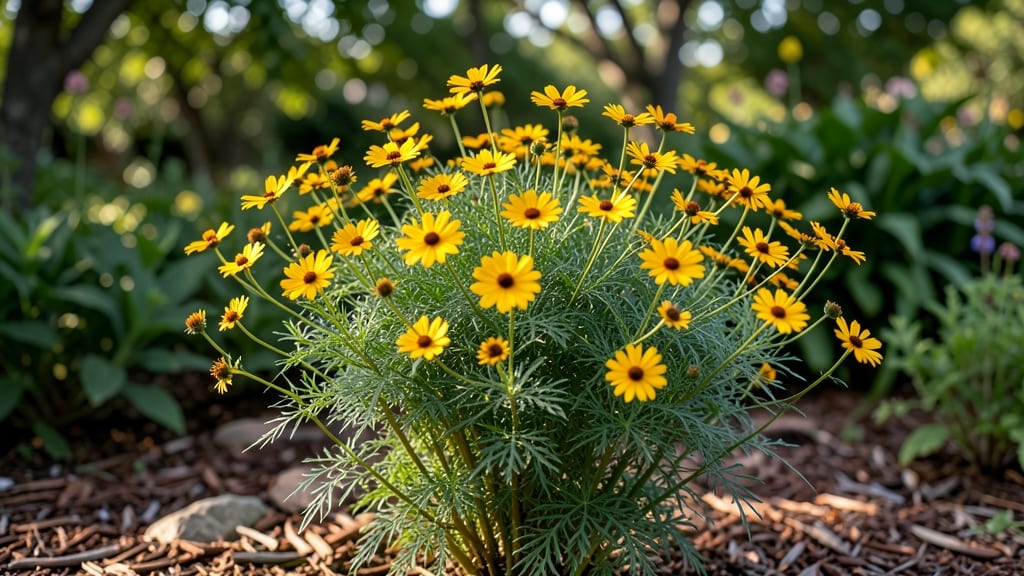
Sunlight-loving tickseed coreopsis care starts with one simple truth: these perennials practically beg for neglect. 🌻 I’ve grown them in everything from dry, rocky soil to my backyard’s average dirt, and they’ve never complained—just kept blooming like clockwork.
The secret isn’t complicated; it’s about matching their love of sun, their dislike of soggy roots, and a light hand with pruning. They thrive in full sun to partial shade, with at least 6 hours of direct light daily—the more sun, the more vibrant those golden-yellow blooms become.
Watering? Let the soil dry out between drinks; overwatering is their only real enemy. And don’t stress about soil—sandy, clay, or loamy works, as long as it drains well. Once established, they’re drought-tolerant enough to handle summer’s heat without wilting.
Pruning is where most people trip up, but it’s easier than it looks. After the first flush of blooms fades, snip back the stems by one-third to encourage a second round of flowers.
Deadhead spent blooms regularly to keep them looking neat, and you’ll enjoy continuous blooms from early summer through fall. The key is to never prune into old wood—just keep it tidy and let nature do the rest.
Common issues like wilting or discolored leaves usually boil down to two things: too much water or not enough sun. If your plants look sad, check the soil moisture and move them to a sunnier spot.
With minimal effort, you’ll end up with a low-maintenance, long-blooming star that outshines fussier perennials every time. Here’s how to keep them happy all season long.
📚 In This Guide
- What you need
- Instructions
- Tips and common mistakes
- Wrapping up and next steps
What you need
- ● Tickseed Coreopsis Plants: 1–3 nursery-grown plants (perennial varieties like Coreopsis verticillata or Coreopsis lanceolata) OR
- ● Seeds (0.5–1 oz per 10 sq ft, sown in spring or fall).
- ● Well-Draining Soil: Mix 60% native soil + 30% compost + 10% perlite or coarse sand (pH 6.0–7.5).
- ● Sunny Spot: 6+ hours of full sun daily (partial shade in extreme heat zones).
- ● Watering Can or Hose: With a gentle spray nozzle (avoid soggy roots!).
- ● Mulch: 1–2 inches of organic mulch (straw, pine needles, or shredded bark) to retain moisture.
- ● Garden Gloves (to protect hands from prickly stems).
- ● Trowel or Transplant Spade (for digging holes 6–12 inches deep).
- ● Pruning Shears (for deadheading spent blooms or shaping plants).
- ● Slow-Release Fertilizer (balanced 10-10-10, 1 tbsp per plant in early spring).
- ○ Drip Irrigation Kit (optional but highly recommended for drought-prone areas).
- ● Stakes or Plant Supports (if growing tall varieties like Coreopsis grandiflora).
How to care for tickseed coreopsis: a low-maintenance guide
These cheerful, drought-tolerant perennials reward minimal effort with months of vibrant blooms. Here’s how to keep them thriving year after year.
🌱 Step 1: Plant in Full Sun with Well-Draining Soil
Coreopsis craves 6-8 hours of direct sun daily, so choose a spot where it gets morning light and afternoon warmth. I always test soil drainage first—dig a 6-inch hole, fill it with water, and wait. If water pools after an hour, amend the soil with sand or compost to loosen it up. These plants hate soggy roots.
Space plants 12-18 inches apart for air circulation, which prevents fungal diseases. Dig holes just as deep as the root ball, gently loosen roots if they’re circling, then backfill with native soil. Water deeply right after planting to settle everything—you’ll see soil settle about an inch as it absorbs moisture.
☀️ Step 2: Water Deeply but Infrequently
Once established, coreopsis thrives on neglect. Water once a week in summer unless your region gets less than 1 inch of rain weekly. The key is deep watering—soak the soil 6 inches down each time. You’ll know it’s right when water runs out the drainage holes if you’re in containers.
I always check soil moisture by sticking my finger 2 inches down—if it feels dry, it’s time to water. Overwatering causes root rot, and these plants are tough enough to handle dry spells. Yellowing leaves usually mean too much water, not too little.
✂️ Step 3: Deadhead and Prune for Longer Blooms
Pinch off spent blooms weekly during the growing season to encourage more flowers. I use my thumb and forefinger to snap off faded heads cleanly—no need for shears. This simple step extends blooming from early summer until frost in many climates.
In early spring, cut back last year’s growth by one-third to make room for fresh shoots. You’ll see new growth emerging from the base within 2-3 weeks. Avoid heavy pruning in fall—it stresses the plant before winter dormancy.
🌿 Step 4: Fertilize Lightly and Divide Every 3-4 Years
Coreopsis doesn’t need much fertilizer. In early spring, sprinkle ½ cup of 10-10-10 fertilizer around the base and water it in. Too much nitrogen makes plants leafy and fewer flowers—these babies bloom best when slightly hungry.
Every 3-4 years, dig up clumps in early spring and divide them. You’ll see multiple stems growing from the center. Separate these with a clean knife, replant divisions, and water well. This keeps plants vigorous and prevents overcrowding, which reduces blooms.
❄️ Step 5: Protect in Winter (If Needed)
In cold climates (Zone 5 and colder), mulch plants with 2-3 inches of straw or shredded leaves after the first frost. This insulates roots but still allows airflow—too much mulch can cause rot. Remove mulch in early spring before new growth appears.
In warmer zones, no winter care is needed. Coreopsis handles frost beautifully and often blooms earlier than other perennials. Watch for fresh green shoots emerging in late winter—that’s your cue to start light watering if rain is scarce.
Tips & tricks for perfect tickseed coreopsis growth
These sun-loving perennials are practically foolproof—but a few strategic moves will make them even more vibrant and long-lasting.
Sunlight Strategy: While coreopsis thrives in 6-8 hours of sun daily, morning sun with afternoon shade in extreme heat (especially in Zone 7+) can prevent wilting. I've noticed the plants actually produce more blooms when they get bright morning light and gentle afternoon shade during peak summer months.
Soil Test Hack: Before planting, mix a handful of native soil with water in a jar. If it separates with clear water on top after 10 minutes, your soil drains well. If it stays muddy, amend with 25% sand or perlite to the planting hole. Proper drainage is everything—these plants won't forgive soggy roots.
Watering Wisdom: The 6-inch deep watering rule works best early in the day (before 10am) to prevent fungal issues. I've found that watering at the base rather than overhead reduces leaf diseases while keeping the soil moist where roots need it most. This is especially important during the first growing season after planting.
Pruning Payoff: When you cut back last year's growth by one-third in early spring, look for fresh new shoots emerging from the base within those 2-3 weeks. These are your plant's energy reserves showing they're ready for another glorious blooming season. Don't be tempted to prune more—you want to preserve that energy for flowers.
Pro Tips for Tickseed Coreopsis Care
- These sun-loving perennials are practically foolproof—but a few strategic moves will make them even more vibrant and ...
- Sunlight Strategy: While coreopsis thrives in 6-8 hours of sun daily, morning sun with afternoon shade in extreme hea...
- Soil Test Hack: Before planting, mix a handful of native soil with water in a jar. If it separates with clear water o...
Frequently asked questions
How often should I water tickseed coreopsis?
Once established, tickseed coreopsis is drought-tolerant—water deeply 1-2 times per week in dry spells, but reduce to every 2-3 weeks in cooler months. Overwatering causes root rot, so let soil dry between waterings. Pro tip: Mulch around plants to retain moisture and deter weeds!
When is the best time to prune tickseed coreopsis?
Prune in early spring (before new growth) or late fall to remove dead foliage and spent blooms. Avoid cutting back in summer—this encourages more flowers! Use clean shears to trim 1/3 of the plant’s height for a tidy look and better air circulation.
Why aren’t my tickseed coreopsis flowers opening?
Several factors could be at play:
- Too much shade: Coreopsis needs 6+ hours of sun daily.
- Over-fertilizing: Too many nutrients = leafy growth, fewer blooms.
- Dormancy: In winter, plants rest—flowers return in spring.
Can tickseed coreopsis grow in containers?
Choose a well-draining pot (at least 12 inches deep) and use a lightweight potting mix. Opt for compact varieties like ‘Moonbeam’ or ‘Zagreb’ for containers. Water more frequently than in-ground plants, as pots dry out faster. Bonus: Deadhead spent blooms to encourage nonstop summer color!
Are tickseed coreopsis deer-resistant?
While not fully deer-proof, tickseed coreopsis is moderately resistant due to its bitter foliage. Deer may nibble in harsh winters. To deter them, try repellent sprays, plant near deer-unfriendly neighbors like lavender or Russian sage, or install a physical barrier (like fencing) around vulnerable plants.
Wrapping up and next steps
Caring for tickseed coreopsis is a breeze—just give it sunshine, well-draining soil, and occasional deadheading, and you’ll be rewarded with vibrant blooms season after season! 🌻 Whether you’re a beginner or a seasoned gardener, this hardy perennial proves that stunning results don’t require much effort.
Ready to transform your garden? Grab your gloves, pick a sunny spot, and plant your first coreopsis today—your future floral displays will thank you!