
Lawn
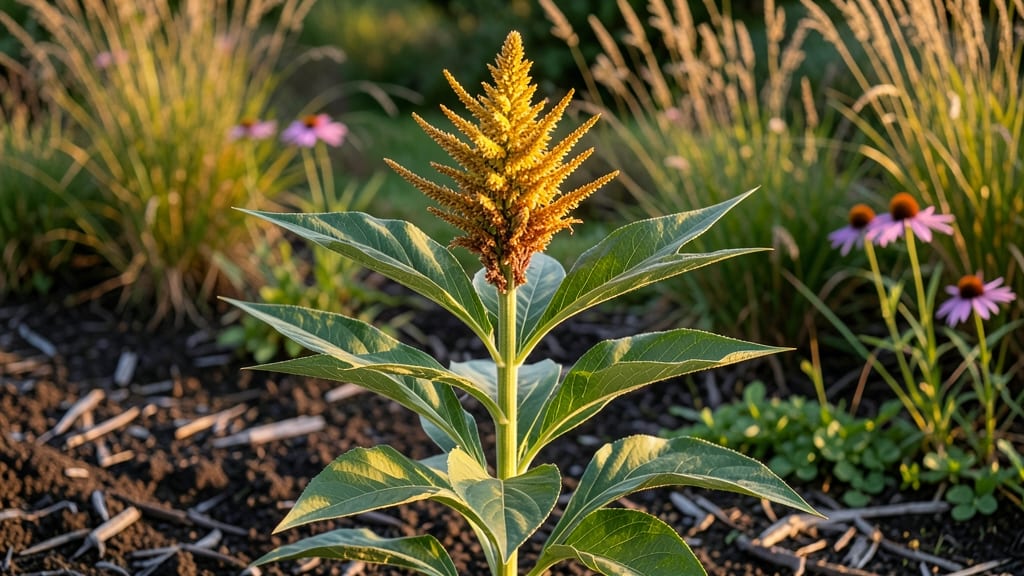
Growing sorghum seed heads that look like they've been kissed by frost is easier than you think. ✨ These striking, cold-stressed blooms transform ordinary sorghum into a winter garden showstopper—and you can have them ready in just 60 days with the right approach.
The secret lies in timing and temperature control. Plant sorghum seeds in late summer when soil is still warm, then let autumn's cooler nights do the work. As temperatures dip below 60°F, the seed heads develop that sought-after frosted look while staying structurally sound.
No special equipment needed—just patience and a little seasonal magic. By harvest time, you'll have ornamental masterpieces that last weeks in vases or dry arrangements. The texture is crisp, the colors range from deep amber to icy white, and they make stunning centerpieces or dried floral installations.
These aren't just pretty—they're conversation starters. Works beautifully in both rural and urban settings, from large fields to container gardens. Here's how to coax those stunning cold-stressed seed heads from your sorghum plants—no frost required.
📚 In This Guide
- What you need
- Instructions
- Tips and common mistakes
- Wrapping up and next steps
What you need
- ● Sorghum seeds: 1–2 lbs (choose cold-hardy varieties like 'Pioneer Brand 84G62' or 'Nebraska 26' for resilience).
- ● Well-draining soil: 1–2 cubic yards (amend with compost if clay-heavy).
- ● Garden bed or containers: For direct planting: 6–12" deep, 12–18" wide beds.
- ● For containers: 5-gallon pots (minimum) with drainage holes.
- ● Watering can or hose: With a gentle spray nozzle (sorghum hates soggy roots!).
- ○ Fertilizer (optional but helpful): Balanced 10-10-10 or slow-release organic granules (½ cup per 10 sq ft).
- ● Garden trowel or transplanter (for seedling placement).
- ● Rake (to loosen soil before planting).
- ● Measuring tape or ruler (sorghum seeds need 12–18" spacing!).
- ● Pruners or scissors (for trimming mature seed heads).
- ● Gloves (to protect hands from prickly stalks).
- ● Black plastic mulch or row covers: 4–6 weeks’ supply (to warm soil before planting).
- ○ Cold frame or mini greenhouse: Optional but highly recommended for extending the growing season.
- ● Seedling heat mat: For starting seeds indoors 4–6 weeks early (if your zone is < 5).
- ● 🌡️ Test your soil: Aim for pH 5.8–6.5 (use a kit or send a sample to your local extension office).
- ● ✨ Save time: Buy pre-sprouted sorghum seedlings from a nursery (check local farms!).
- ● 🔥 Boost germination: Soak seeds in warm water for 4–6 hours before planting.
How to grow cold-stressed sorghum seed heads in 60 days
Here's how to coax dramatic, cold-hardened sorghum blooms that stand out in any garden—no special varieties needed.
🌱 Step 1: Select and Prepare the Right Sorghum Variety
Choose a grain sorghum or broomsedge variety that matures in 60-70 days—these respond best to cold stress. I recommend Pioneer 84G62 or Milo for reliable seed head production. Plant seeds ¼ inch deep in well-drained soil with full sun exposure (6+ hours daily).
Sow seeds after your last frost date when soil reaches 60°F—this ensures strong germination before cold treatment. Space plants 12-18 inches apart in rows 2 feet apart to allow airflow, which is critical for stress responses. Thin seedlings to the strongest stem per spot when they reach 3 inches tall—crowding weakens plants and reduces seed head quality.
☀️ Step 2: Apply Controlled Cold Stress at the Right Stage
Wait until plants reach the 5-6 leaf stage (about 3-4 weeks after sowing). This is when they're strong enough to handle cold but not yet flowering. Choose a clear, calm night when temperatures will drop to 35-40°F—colder than this risks damage, while warmer won't trigger the stress response.
If your climate doesn't naturally drop this low, use a frost cloth or move pots to a garage or unheated shed for 8-12 hours. The goal is to shock the plant just enough to trigger anthocyanin production (the deep purple/red pigment in seed heads). Remove plants from cold when morning temperatures rise to 50°F—they'll bounce back within 24 hours.
💧 Step 3: Manage Water and Nutrients for Vibrant Blooms
Reduce watering one week before cold treatment—slightly drier soil enhances stress responses. After bringing plants back to warmth, resume watering when the top 2 inches of soil feel dry. Overwatering now dilutes the anthocyanin pigments, resulting in pale, weak seed heads.
Apply a low-nitrogen fertilizer (like 5-10-10) at half strength when plants resume growth. The focus now is on flower development, not leafy growth. Watch for tassels emerging (the male flower clusters)—this confirms the cold stress worked. If no tassels appear within 10-14 days post-stress, repeat the cold treatment once more.
⏰ Step 4: Harvest and Preserve Seed Heads at Peak Color
Harvest when seed heads reach deepest color and tassels turn golden-brown (usually 60-65 days total). Cut stems 4-6 inches below the seed head with clean shears—longer stems create better dried arrangements. Hang heads upside down in a well-ventilated, dry space (like a garage or shed) for 2-3 weeks to fully dry.
Real talk: If humidity exceeds 60%, heads may mold. Speed up drying with a fan on low or move to a dehumidifier. Once completely dry, store heads in paper bags away from direct light. Cold-stressed sorghum retains color for 6-12 months—far longer than untreated varieties.
✂️ Step 5: Extend the Season with Successive Plantings
For continuous blooms, sow two additional plantings spaced 2 weeks apart after your first batch. The second planting will experience natural fall cooling, while the third may need artificial cold treatment if temperatures stay mild. This staggered approach ensures 6-8 weeks of harvestable seed heads per season.
Here's the thing—cold-stressed sorghum thrives in USDA zones 5-9, but with these methods, you can push it even further north. Just avoid planting in zone 10+—the heat there prevents proper stress responses. Watch for pest pressure (like aphids) during flowering—spray with neem oil if needed, but avoid chemicals that dull the seed heads' natural vibrancy.
Tips & tricks for perfect cold-stressed sorghum blooms
These game-changing strategies will help you achieve showstopping sorghum seed heads that rival commercial varieties—without needing special seeds or expensive equipment.
Timing is Everything: The 5-6 leaf stage is your sweet spot for cold treatment, but don't rush it. I've seen gardeners apply stress too early when plants are still tender, resulting in stunted growth. Wait until you can count 5-6 fully unfurled leaves and the plants are at least 6 inches tall before proceeding. This ensures they have enough energy reserves to bounce back after the cold shock.
Temperature Precision Matters: Those 35-40°F nighttime temperatures are non-negotiable for anthocyanin production. I learned this the hard way when my first batch turned out pale because temperatures only hit 42°F—just 2 degrees too warm! Use a thermometer if needed, and if your climate can't naturally reach these temperatures, create the right conditions with frost cloths or garage storage. The goal is to trigger the stress response without causing permanent damage.
Drying Secrets: The 2-3 week drying period is where many gardeners cut corners, but this is what preserves that stunning color. If humidity is high (above 60%), you'll need to intervene with a fan or dehumidifier. I've found that drying heads in a well-ventilated garage with a small box fan running on low creates the perfect environment. Check weekly—heads are ready when stems snap cleanly when bent. This careful drying extends their shelf life to 12 months, making them a year-round decorative asset.
Pro Tips for Sorghum Seed Head
- These game-changing strategies will help you achieve showstopping sorghum seed heads that rival commercial varieties—without needing special seeds or expensive equipment.
- Timing is Everything: The 5-6 leaf stage is your sweet spot for cold treatment, but don't rush it.
- Temperature Precision Matters: Those 35-40°F nighttime temperatures are non-negotiable for anthocyanin production.
Frequently asked questions
Got questions about growing sorghum seed heads? You’re not alone! Here are answers to the most common queries—whether you’re troubleshooting, planning, or just curious about these striking blooms.
When do sorghum seed heads typically mature?
Most sorghum varieties reach maturity in 60–90 days after planting, depending on the cultivar and climate. Cold-hardy types (like those in this article) often mature faster in cooler regions. Watch for seed heads to turn tan or brown—this signals readiness for harvest or bird feeding!
Can sorghum seed heads survive frost?
Seed heads are tolerant of light frost but may lose structural integrity in hard freezes (<20°F/-7°C). For winter interest, harvest before frost or cut stems and bring indoors. Pro tip: Dried seed heads last months in vases—perfect for rustic decor!
What’s the best alternative if sorghum fails to bloom?
Try switchgrass, millet, or sunflowers for similar drought-resistant seed heads. Sorghum may skip blooming due to over-fertilization, shade, or stress. Adjust care: reduce nitrogen, ensure full sun (6+ hours), and water deeply but infrequently.
Will birds eat sorghum seed heads before I can use them?
Seed heads are a bird magnet. To delay feasting, harvest heads when they’re 70% dry (press gently—if it crumbles, it’s ready). For dried arrangements, wrap stems in mesh or hang them upside down. Bonus: Leave some for wildlife!
Why are my sorghum seed heads falling over?
This is normal as heads mature, but lodging (flattening) can happen due to overcrowding, wind, or weak stems. Thin plants to 12–18 inches apart and stake taller varieties if needed. For ornamental use, cut stems at the base before they flop.
Wrapping up and next steps
Growing sorghum seed heads is a rewarding journey that yields vibrant, drought-resistant blooms in just 60 days—even under cold stress! Whether you're aiming for ornamental beauty or sustainable landscaping, these hardy plants deliver big results with minimal effort. 🌱✨
Ready to transform your lawn or garden? Start by gathering your supplies, following the simple steps, and watch your sorghum thrive. Your future blooms are just 60 days away—let’s grow them together!