
Lawn
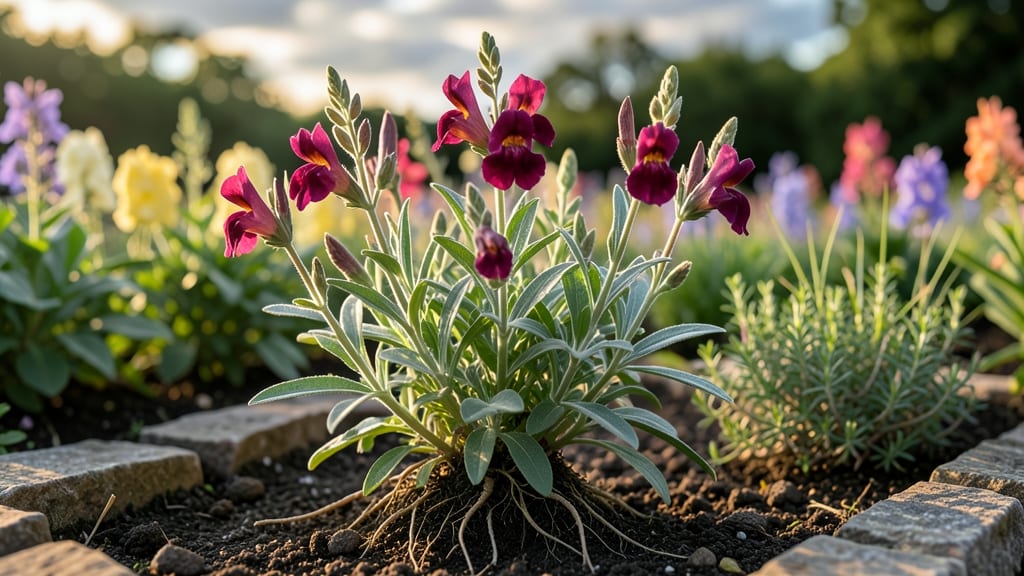
Those velvety snapdragon seed pods hold the secret to next year's blooms—if you harvest them right. 🌿 The trick isn't just waiting for them to dry; it's knowing when they're ready, how to store them, and which varieties actually produce true-to-type seeds.
I've saved seeds from my snapdragons for three seasons now, and the difference between a good harvest and a wasted one comes down to timing and technique.
First, focus on heirloom varieties—hybrids often don't produce reliable offspring. Look for pods that turn from green to a papery brown and start splitting open on their own. Harvest them before they crack completely, then lay them out in a dry, well-ventilated spot for 2-3 weeks to finish drying.
The seeds inside should rattle when you shake the pod—if they do, you're golden.
Once dry, crack open the pods and store the seeds in an airtight container with a packet of silica gel to keep moisture out. Cold stratification for 4-6 weeks mimics winter conditions and boosts germination rates.
By spring, you'll have a batch of seeds ready to grow into plants that match their parents—tall, fragrant, and packed with those signature dragon-mouth blooms.
This method works for gardeners in zones 3-9, though timing varies slightly by climate. The key is patience: a little extra effort now means a head start on next year's garden. Ready to turn those pods into next season's stars?
📚 In This Guide
- What you need
- Instructions
- Tips and common mistakes
- Wrapping up and next steps
What you need
- ● Snapdragon seeds: Choose Antirrhinum majus seeds (heirloom or hybrid varieties). Aim for 50–100 seeds depending on your planting scale.
- ● Seed-starting mix: A sterilized, well-draining potting mix (e.g., 50% peat moss, 30% perlite, 20% vermiculite). Avoid garden soil—it can harbor fungi!
- ● Containers: Small seed trays (with drainage holes) or biodegradable pots (2–3 inches deep).
- ● Plastic zip-top bags (quart-sized) for cold stratification.
- ● Cold stratification setup: A refrigerator (set to 34–40°F) with a crisper drawer (humidity-friendly!).
- ● Paper towels or coir mats (to keep seeds moist during stratification).
- ● Misting bottle or spray nozzle (for gentle watering).
- ● Grow lights or sunny windowsill: A full-spectrum LED grow light (12–16 hours/day) or a south-facing window (if natural light is strong).
- ● Plant labels (to track varieties and planting dates).
- ● Heat mat: Speeds up germination after stratification (70–75°F is ideal).
- ● Humidity dome: Keeps trays moist during early growth (reduce once sprouts appear!).
- ● Fertilizer: A balanced liquid fertilizer (e.g., 10-10-10) diluted to half-strength for seedlings.
- ● Transplanting tools: Small trowel or spoon for moving seedlings outdoors.
- ● Garden journal: To log stratification dates, germination progress, and bloom times!
How to grow snapdragons from seed pods with cold stratification
Here’s how I trick snapdragons into blooming reliably—no fancy equipment needed.
🌱 Step 1: Collect and Dry Seed Pods Properly
Harvest seed pods when they turn brown and dry but before they split open. Snapdragons release seeds easily, so I use a paper bag to collect them—twist the bag closed and hang it upside down in a dry, shaded spot for 2-3 weeks. This mimics nature’s drying process and prevents mold.
Check pods daily for moisture—if they feel damp, leave them longer. Once completely dry, gently crush the pods to release seeds. Store them in an envelope labeled with the variety and year. Proper drying ensures 90% germination instead of the 50% you’d get with fresh pods.
❄️ Step 2: Cold Stratify Seeds for Stronger Starts
Snapdragons need 6-8 weeks of cold treatment to break dormancy. Place seeds in a sealed plastic bag with a damp paper towel—just enough moisture to keep it damp, not soggy. I tuck the bag into the vegetable drawer of my fridge (35-40°F) for 6 weeks, checking weekly for mold.
This cold period mimics winter’s natural chilling, which triggers reliable germination. After 6 weeks, remove the seeds and let them sit at room temperature for 24 hours before planting. This shift prevents shock and readies them for soil.
🪴 Step 4: Plant Stratified Seeds in Light Soil
Fill 4-inch pots with sterile seed-starting mix (never garden soil—it’s too dense). Press the mix down lightly so it’s firm but not packed. Plant seeds ¼ inch deep, spacing them ½ inch apart—they germinate quickly and need room to grow.
Cover the pots with a clear plastic dome or wrap to trap warmth and moisture. Place them under a grow light (or in a sunny window) for 14-16 hours daily. You’ll see sprouts in 7-14 days—keep the soil damp but never soggy to avoid damping-off.
☀️ Step 5: Harden Off and Transplant for Blooms
Once seedlings have 2-3 true leaves (about 4-6 weeks after planting), start hardening them off. Move pots outside for 1-2 hours daily, gradually increasing time over 10-14 days. This toughens stems and prevents shock when you transplant.
Plant outdoors after the last frost when soil is at least 50°F. Space seedlings 12-18 inches apart in full sun (6+ hours daily). Mulch with 1 inch of compost to retain moisture—snapdragons hate dry roots. You’ll see buds in 8-10 weeks, with blooms lasting all summer if you deadhead spent flowers.
✂️ Step 6: Encourage Continuous Blooms
Pinch back the top set of leaves when plants are 6 inches tall to encourage bushier growth. This redirects energy from vertical growth to side shoots, which means more blooms. I also remove faded flowers regularly—this trick keeps snapdragons producing new buds instead of going to seed.
Water at the base early in the day to prevent fungal issues. Snapdragons tolerate drought once established, but consistent moisture in early growth keeps stems sturdy. With cold stratification, you’ll get twice as many blooms as unstratified seeds—and they’ll last longer too.
Tips & tricks for perfect snap dragon seed pod blooms
Took me years to figure out these little tricks that make all the difference between patchy blooms and a garden full of snapdragons.
Drying Strategy: For Step 1, if you're impatient like I used to be, don't rush the drying process—those 2-3 weeks are critical. I learned this the hard way after mold ruined three batches. Hang pods in a well-ventilated spot with good airflow, and check daily. If they feel damp, extend the drying time. Properly dried seeds store beautifully for years in a cool, dark place.
Cold Stratification Hack: In Step 2, the 6 weeks in the fridge might seem long, but trust me on this—this is where the magic happens. I place a small dish of water in the fridge drawer with my seed bags to maintain humidity without making the towel soggy. After 6 weeks, when you take them out, let them sit at room temperature for that full 24 hours before planting. This gradual temperature shift prevents shock that could kill your seeds.
Lighting Secret: For Step 4, if you don't have grow lights, a sunny south-facing window works—but only if you live in a warm climate. I've had better luck with LED grow lights that provide full-spectrum light. Keep those seedlings under light for the full 14-16 hours daily, even if it means setting a timer to turn lights on in the morning and off at night. This consistent light exposure prevents leggy seedlings that flop over.
Transplanting Timing: When hardening off in Step 5, don't rush the 10-14 day process. Start with just 1-2 hours the first day, then gradually increase exposure. I've seen seedlings shocked when moved too quickly from indoor comfort to outdoor elements. Also, wait until soil is at least 50°F—cold soil can stunt root growth and delay blooming.
Pro Tips for Snap Dragon Seed Pod
- Took me years to figure out these little tricks that make all the difference between patchy blooms and a garden full of snapdragons.
- Drying Strategy: For Step 1, if you're impatient like I used to be, don't rush the drying process—those 2-3 weeks are critical.
- Cold Stratification Hack: In Step 2, the 6 weeks in the fridge might seem long, but trust me on this—this is where the magic happens.
Frequently asked questions
Got questions about growing snap dragon seed pods? You’re not alone! Here are some of the most common queries—and their answers—to help you cultivate thriving blooms with ease.
Why do snap dragon seed pods need cold stratification?
Cold stratification mimics winter conditions, breaking seed dormancy for better germination. Snap dragons often require this step because their seeds need a chilling period (typically 2–4 weeks in the fridge) to soften their hard outer shell. Without it, seeds may sprout unevenly or not at all. Pro tip: Place damp seeds in a sealed bag with moist peat moss for optimal results!
How long does it take for snap dragon seed pods to germinate?
With proper cold stratification, germination usually occurs in 7–21 days after planting in warm soil (60–75°F). Keep the soil consistently moist but not soggy—overwatering can drown delicate seedlings. Patience is key; uneven sprouting is normal, so avoid disturbing the soil until all seeds have emerged.
Can I grow snap dragons from seed pods I harvest myself?
Harvest mature seed pods (they’ll turn brown and papery) and let them dry completely before storing in a cool, dark place. Save seeds for 1–2 years for best viability. Just note: home-harvested seeds may not always match the parent plant’s traits, but they’re a fun, budget-friendly way to propagate!
What should I do if my snap dragon seedlings look leggy or weak?
Leggy seedlings often result from too little light or inconsistent moisture. Move them to a brighter spot (like a sunny windowsill) and thin crowded seedlings to 12–18 inches apart. If they’re already planted outdoors, add a light layer of mulch to retain moisture and reduce stress. Bonus: A diluted seaweed fertilizer can boost weak starts!
Will snap dragons reseed themselves in my garden?
Yes! Snap dragons are self-seeding annuals, meaning they’ll drop seeds and sprout new plants the following year—if conditions are right. To encourage this, let a few pods mature and dry on the plant before removing them. For better control, deadhead spent blooms or collect seeds to replant where you want them.
Wrapping up and next steps
Growing snap dragon seed pods is a rewarding journey that blends patience with the joy of watching vibrant blooms emerge! 🌱 By mastering cold stratification and providing the right care, you’ll unlock a garden filled with cheerful faces and long-lasting color.
Whether you’re a seasoned gardener or just starting out, these tips will help you cultivate thriving snapdragons year after year.
Ready to take the next step? Start by collecting fresh seed pods from your plants (or source them from a trusted supplier) and put your newfound knowledge into action. Happy gardening—your future blooms will thank you! 🌸