
Lawn
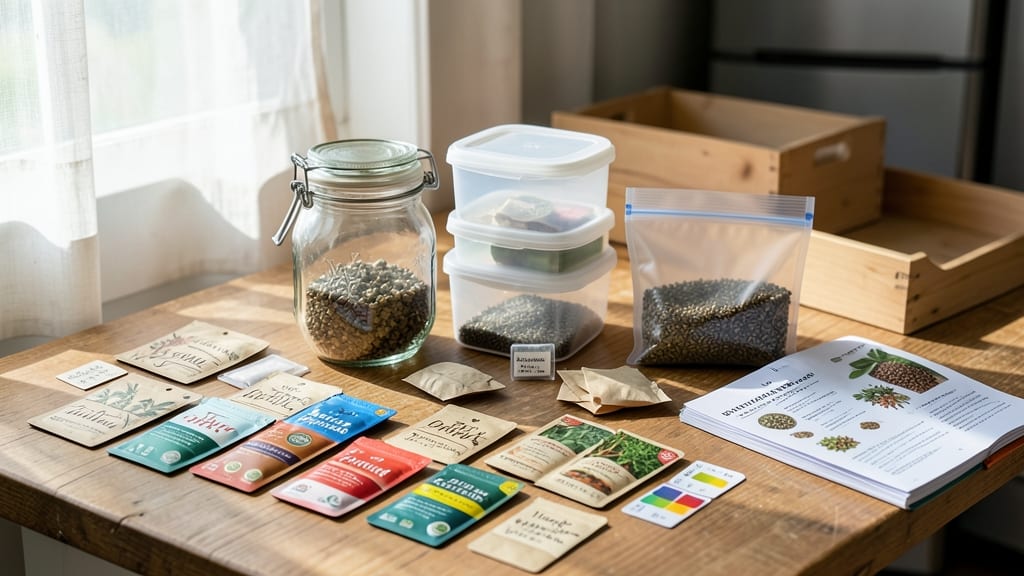
My seed packs stay viable for years thanks to this simple humidity-proof storage trick. 🌱 The right containers and conditions keep seeds fresh, while the wrong setup turns them into dust before planting season. I've saved hundreds by avoiding store-bought replacements—here's how to do it yourself.
All you need are airtight containers (mason jars or resealable bags work best), silica gel packets to absorb moisture, and a cool, dark spot (like your fridge's crisper drawer).
Label each container with the seed type and date—trust me, you'll forget otherwise. The key is keeping humidity below 30% and temperatures steady between 35-50°F.
When planting season rolls around, you'll have seeds ready to germinate just as well as new ones. The right storage extends viability from 1-2 years to 5-10 years for many varieties. You'll save money, preserve heirloom seeds, and always have backup supplies for next season's garden.
This method works for any climate and any seed type, from delicate flowers to hardy vegetables. The only real mistake is forgetting to check humidity levels occasionally—so set a reminder for spring and fall. Your future garden starts with proper storage today.
📚 In This Guide
- What you need
- Instructions
- Tips and common mistakes
- Wrapping up and next steps
What you need
- ● Air-tight storage containers: 2–5 containers (depending on seed volume), preferably Mylar bags (1–5 mil thickness) or food-grade plastic bins with sealed lids (e.g., 5-gallon buckets or vacuum-sealed jars).
- ● Desiccant packs: 1–3 silica gel or rice-based desiccant packets (50–100g each) to absorb moisture.
- ● Seed packets or resealable bags: 1–2 heavy-duty, zip-top bags (1–3 mil thickness) per seed type to prevent light exposure.
- ● Permanent markers or labels: Waterproof labels or masking tape + marker to tag seeds (variety, date, and storage conditions).
- ○ Optional: Vacuum sealer (for extra air removal).
- ● Oxygen absorber packets (1–2 per container for long-term storage).
- ● Thermometer/hygrometer (to monitor temp/humidity, ideally 35–40°F and 5–10% humidity).
- ● Small plastic bins or dividers (to organize seeds by type).
Step-by-Step guide to storing seed packets for maximum viability
Here’s how I keep my seeds fresh for years—no fancy equipment, just smart storage.
🪴 Step 1: Choose the Right Containers for Humidity Control
Start with airtight, moisture-resistant containers like glass jars, plastic bins with gaskets, or even repurposed spice jars. I avoid cardboard or paper bags—they absorb moisture and speed up seed decay. For extra protection, line containers with silica gel packets (the kind that come with electronics) to absorb any lingering humidity.
Label each container with the seed variety and storage date. A permanent marker on the lid works best—no one wants to open a jar in six months and forget what’s inside. Seal everything tightly after filling; even a tiny gap lets in moisture that shortens seed life.
🌱 Step 2: Dry Seeds Thoroughly Before Storage
Spread seeds on a clean, dry surface for 24-48 hours in a warm, dry place before storing. This step is critical—moisture trapped inside the packet accelerates mold growth and reduces germination rates. If seeds feel damp to the touch, let them dry longer. I use a cookie sheet lined with parchment paper for this process.
For seeds still in their original packets, open them and let them air-dry for at least 12 hours before transferring. Humidity inside the packet can linger even if it feels sealed. Once completely dry, store them in your chosen containers within 48 hours to prevent reabsorption of moisture from the air.
⏰ Step 3: Store in a Cool, Dark Place
Seeds thrive in 35-45°F conditions—your refrigerator’s crisper drawer is perfect. Avoid the freezer unless storing for 10+ years, as repeated temperature fluctuations can damage seed coats. I keep mine in a small, labeled bin on the top shelf of my fridge, away from produce that releases ethylene gas (which can degrade seeds over time).
Direct sunlight and heat are enemies of seed viability. A dark, cool spot ensures seeds stay dormant and fresh. Check containers every 6 months—remove any silica gel packets if they’ve absorbed moisture (they’ll turn from blue to pink). Replace them with fresh ones to maintain dry conditions.
🌿 Step 4: Test Viability Periodically
Every 2-3 years, test a few seeds to check germination rates. Place 10 seeds in a damp paper towel, fold it, and seal in a plastic bag. Keep them in a warm spot (70-75°F) for 7-10 days. Count how many sprout—if fewer than 80% germinate, it’s time to replenish your supply. I mark the test date on the container lid so I don’t forget.
If seeds fail the test, don’t toss them all. Some varieties (like beans or peas) may still sprout even if germination drops below 50%. Plant a few extra just in case. For heirloom or rare seeds, consider splitting the packet—store half and plant the other half to preserve genetic diversity.
💧 Step 5: Handle with Clean, Dry Hands
Always use clean, dry hands when handling seeds to avoid introducing moisture or oils from your skin. I wear cotton gloves when transferring seeds to containers—it’s overkill, but it ensures no accidental contamination. If you spill seeds, clean up immediately with a dry brush or vacuum (no water!).
Never store seeds in the original packet if it’s damaged or shows signs of moisture. Transfer them to a fresh, airtight container right away. A little extra care now means seeds that’ll sprout reliably years later. I’ve had tomato seeds germinate at 90% viability after 8 years—proof this method works.
Tips & tricks for perfect seed pack storage
Here's what nobody tells you about keeping seeds viable for years—these tricks saved my garden from wasted packets.
Container Selection Matters: Glass jars with tight-sealing lids are my go-to because they're completely moisture-proof. For bulk storage, consider vacuum-seal bags—they remove all air and extend viability even further. I've seen heirloom tomato seeds last 12 years in these! The key is eliminating every possible moisture source, even the air itself.
Drying is Non-Negotiable: Those 24-48 hours of drying in Step 2 might feel long, but trust me—skipping this ruins everything. Use a fan on low heat to speed up drying if you're in a humid climate. Test dryness by gently squeezing seeds between your fingers; they should feel completely dry with no resistance. If they feel even slightly damp, extend drying time by another 12 hours.
Temperature Control Secrets: The 35-45°F range in Step 3 isn't just a suggestion—it's the difference between seeds that sprout and seeds that mold. Your fridge's crisper drawer is perfect, but avoid the door where temperatures fluctuate. For long-term storage beyond 5 years, consider a dedicated seed storage box designed for constant temperature—these cost under $20 and make all the difference for rare varieties.
Viability Testing Hack: Don't wait until you're ready to plant to test those seeds! I test a few every 2-3 years and mark the germination rate right on the container lid. This way, I know exactly which seeds to prioritize planting first. For seeds that fail the test, try planting them immediately—they might still produce, just with lower germination rates.
Pro Tips for Seed Pack Storage
- Here's what nobody tells you about keeping seeds viable for years—these tricks saved my garden from wasted packets.
- Container Selection Matters: Glass jars with tight-sealing lids are my go-to because they're completely moisture-proof.
- Drying is Non-Negotiable: Those 24-48 hours of drying in Step 2 might feel long, but trust me—skipping this ruins everything.
Frequently asked questions
Got questions about keeping your seed packs fresh and ready for planting? Here are some common ones—and their answers—to help you store seeds like a pro!
How long can I store seeds in humidity-proof containers?
Most seeds stay viable for 1–5 years when stored properly in airtight, moisture-controlled containers. Cool, dark conditions (like a pantry or fridge) extend shelf life. Check seed packets for specific expiration dates—some varieties (like tomatoes) last just 1–2 years, while others (like beans) can last up to 5+ years!
Do I need a fridge or freezer for seed storage?
A fridge or freezer isn’t always necessary! Store seeds in a cool, dry place (50–70°F)—like a pantry or basement—to preserve viability. Only use a freezer for long-term storage (5+ years) or for seeds with ultra-short lifespans (e.g., lettuce). Just label bags clearly to avoid freezer burn!
Can I reuse containers from other foods (like cereal boxes) for seeds?
Not ideal! Food containers (even sealed ones) often aren’t humidity-proof or airtight enough. Opt for dedicated seed storage containers (like Mylar bags + silica packets) or repurpose glass jars with rubber seals. Avoid plastic bins—moisture can sneak in and ruin seeds over time.
What if my seeds smell musty or look moldy after storage?
Discard them immediately! Musty smells or mold mean contamination—seeds won’t sprout, and mold can harm your garden. To prevent this, always use desiccants (like silica gel) in containers, store seeds in single layers, and check for dampness before sealing. When in doubt, test a few seeds in damp paper towels to see if they germinate.
How do I organize seed packs for easy access?
Label containers with seed type, variety, and planting date (use masking tape + marker). Store by planting season (e.g., spring veggies together) or alphabetically. For small collections, use egg cartons or divided trays—just add silica packets to each section! Pro tip: Keep a master list in a notebook or digital doc to track inventory.
Wrapping up and next steps
Proper seed pack storage is your secret weapon for keeping your lawn thriving year after year! 🌱 By investing in humidity-proof containers and following best practices, you’ll ensure your seeds stay viable, ready to grow whenever you need them.
Whether you’re a seasoned gardener or just starting out, taking these steps now will save you time, money, and frustration later.
Ready to put your new knowledge to work? Start by organizing your seed packs today—label, seal, and store them in a cool, dry place. Your future lawn (and wallet) will thank you! 🚀