
Lawn
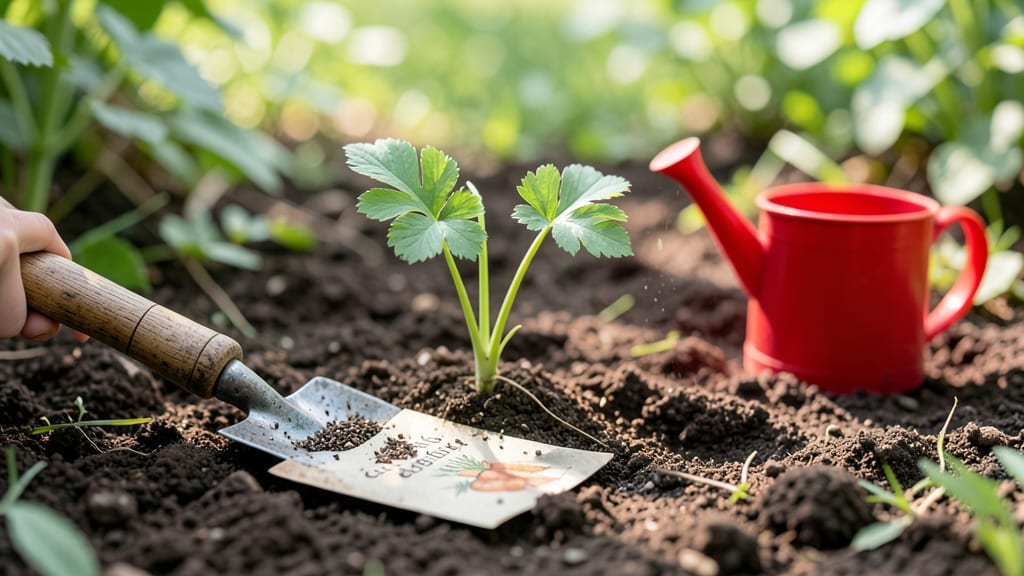
Growing carrots from seed is easier than you think—stress-free germination in 60 days starts with the right soil and timing. 🌱 I’ve learned that the key isn’t fussing over seeds but creating the perfect loose, stone-free bed where they can stretch their roots without fighting.
Skimp on prep, and you’ll end up with forked, stunted carrots—or worse, none at all. But do it right, and you’ll pull out sweet, crisp roots that taste like summer in every bite.
The secret lies in loose, sandy soil (think crumbly, not compact) and planting seeds just ¼ inch deep—no deeper, or they’ll rot. Space them 2 inches apart in rows 12 inches apart, then keep the soil consistently moist (not soggy).
Most beginners overwater, which causes seeds to rot before sprouting. I’ve had entire trays fail because of this—so gentle watering is non-negotiable.
By day 10, you’ll see tiny green shoots poking through, and by 60 days, you’ll have harvest-ready carrots. The trick to avoiding forking? Break up clumps in the soil before planting—no rocks, no hardpan.
And if your carrots start flowering early (bolting), it’s usually because of heat stress or old seeds. Save the best seeds for next year, and you’ll have a foolproof system.
This method works in spring or fall, avoiding the scorching midday sun of summer. Even in small spaces, you can grow carrots in 5-gallon containers with the same care. The payoff? Fresh, homegrown carrots that outshine anything from the store. Ready to dig in?
📚 In This Guide
- What you need
- Instructions
- Tips and common mistakes
- Wrapping up and next steps
What you need
- ● Carrot seeds: 1 packet (approx. 500–1,000 seeds, depending on variety). Choose open-pollinated or heirloom seeds for best results.
- ● Seed-starting soil: 1–2 bags (8–12 qt each) of high-quality, sterile seed-starting mix (avoid garden soil—it’s too dense!).
- ● Containers: Option 1: Seed trays (1020 trays or similar) with cell inserts (72–200 cells).
- ● Option 2: Biodegradable pots (2–3 inches deep) or yogurt cups (with drainage holes).
- ● Grow lights or sunny windowsill: A full-spectrum LED grow light (12–18 inches above seedlings) or a south-facing window with 6+ hours of sunlight daily.
- ● Spray bottle: 8–16 oz with a fine mist nozzle for gentle watering.
- ● Plant labels: Small sticks or tags + a permanent marker to track varieties.
- ● Transplanting tools (later stage): Small hand trowel
- ○ Garden gloves (optional but recommended)
- ● Seedling heat mat: (70–80°F range) to speed up germination in cooler climates.
- ● Fertilizer: Balanced liquid fertilizer (5-5-5 or 10-10-10) diluted to half-strength for young seedlings.
- ● Drip irrigation kit: For consistent moisture in larger setups.
- ● Humidity dome: Clear plastic wrap or a mini greenhouse to retain moisture during germination.
- ● Carrot thinners: A small knife or scissors for thinning seedlings (if not using biodegradable pots).
Step-by-Step instructions for germinating carrot seeds
Carrot seeds are tiny and stubborn—here's how to coax them into strong seedlings reliably.
🌱 Step 1: Prepare Your Planting Medium
Carrot seeds need fine, loose soil to push through easily. Fill your container with the seed-starting mix (never garden soil—it's too dense). I like to blend mine with 20% perlite for extra drainage. Moisten the mix until it's damp like a wrung-out sponge—too wet and seeds rot, too dry and they won't sprout.
Press the soil down gently with your fingers until it's firm but still crumbly. You want it packed enough to hold seeds in place, but loose enough that carrot roots can grow straight downward. Run your finger through the soil to create 1/8-inch deep furrows, spaced 1 inch apart. These tiny trenches help you distribute seeds evenly without burying them too deep.
🌱 Step 2: Sow Seeds at the Right Depth and Spacing
Carrot seeds are the size of poppy seeds—tiny and easy to misplace. I use a toothpick to create tiny holes in the furrows, then place 2-3 seeds per hole at a depth of 1/8 inch. Cover them with a thin layer of soil by dragging your finger lightly over the furrows. Don't pat it down or you'll bury them too deep.
Here's the thing—carrot seeds germinate best in consistent moisture and warmth (65-75°F). After sowing, mist the surface with a spray bottle until the soil looks damp but not soggy. Place the container in a clear plastic bag to trap humidity, then set it in a warm, dark place (like on top of your fridge) until you see sprouts in 14-21 days. Patience is key—don't peek too often or you'll disturb the seeds.
☀️ Step 3: Provide Light and Thin Seedlings
Once seedlings emerge, remove the plastic bag immediately. Carrots need bright light (12+ hours daily) to prevent leggy growth. Place them under grow lights or in a south-facing window within 6 inches of the glass. You'll notice strong seedlings have dark green leaves and short, sturdy stems—if they're stretching toward the light, move them closer.
When seedlings reach 2 inches tall, it's time to thin. Use a pair of scissors to snip the weakest plants at soil level, leaving the strongest 2 inches apart. Don't pull them—the roots break easily. After thinning, water gently at the base to avoid disturbing the remaining plants. This step ensures carrots have room to grow thick, straight roots.
💧 Step 4: Maintain Even Moisture and Fertility
Carrots hate dry soil—keep the surface evenly moist by watering every 2-3 days (check the top inch with your finger). Water deeply but slowly to avoid washing away soil. I use a watering can with a fine rose to direct the stream to the base, not the leaves. Overhead watering spreads disease, and carrots are prone to leaf blight.
After 4 weeks, add a balanced fertilizer (10-10-10) at half strength. Carrots don't need much—too much nitrogen makes them leafy and woody. Watch for yellowing leaves (a sign of too much fertilizer) or purple tops (a sign of phosphorus deficiency). Adjust accordingly, but less is always better with carrots.
⏰ Step 5: Harvest at Peak Maturity
Carrots mature in 60-70 days, but you can start harvesting baby carrots as early as 40 days. Gently loosen the soil around the base with your fingers, then pull upward. If the soil resists, wiggle the carrot gently—don't twist, or you'll snap the taproot. Rinse off excess dirt and store in the fridge for up to 2 weeks. For full-size carrots, wait until the shoulders are 3/4-inch wide—they won't get sweeter after harvest.
Here's a pro tip: If you see white, fuzzy mold on the soil, it's powdery mildew—a sign of too much humidity. Space plants 3 inches apart and water at the base to prevent it. And if your carrots split? You overwatered. Keep the soil consistently moist, not soggy, and you'll avoid this common mistake.
Tips & tricks for perfect carrot seed germination
These practical tricks will help you transform those stubborn carrot seeds into thriving seedlings with confidence.
Soil Texture Secret: The 20% perlite addition in your seed-starting mix isn't just about drainage—it creates the perfect air pockets carrot roots need to grow straight. I've found that sifting the mix through a fine-mesh strainer before planting eliminates large clumps that could block seedling emergence. Think of it like creating a fluffy pillow for those tiny roots to push through.
Sowing Precision: When creating those 1/8-inch deep furrows in Step 1, use the flat edge of a butter knife to make perfectly straight lines. The goal is consistency—carrot seeds need just enough soil coverage to stay in place but not so much that they suffocate. I like to draw a pencil line along the container first as a guide, then follow it with the knife. This ensures all seeds get planted at the same depth, which is critical for even germination.
Humidity Hack: That clear plastic bag in Step 2 isn't just for warmth—it's creating a greenhouse effect. After sealing, give the bag a gentle squeeze to check for proper humidity. If it feels damp inside (like a wrung-out sponge), you're good. If it's dry, add a few drops of water to the soil. Too much humidity causes mold, but too little means seeds won't sprout. I've learned this the hard way after losing entire batches to either scenario!
Light Transition: When moving seedlings to bright light in Step 3, do it gradually over 3-4 days. Sudden exposure can shock them. Start with 2 hours of light on day one, then increase by 1-2 hours each day until they get full sun. You'll notice the difference in their color—strong seedlings develop that vibrant dark green within days of proper light exposure. This gradual approach prevents the leggy growth that makes carrots weak and prone to breaking.
Pro Tips for Seed Of Carrot
- These practical tricks will help you transform those stubborn carrot seeds into thriving seedlings with confidence.
- Soil Texture Secret: The 20% perlite addition in your seed-starting mix isn't just about drainage—it creates the perfect air pockets carrot roots need to grow straight.
- Sowing Precision: When creating those 1/8-inch deep furrows in Step 1, use the flat edge of a butter knife to make perfectly straight lines.
Frequently asked questions
Got questions about growing carrots from seed? You’re not alone! Here are answers to the most common queries—plus a few pro tips to set you up for success.
How deep should I plant carrot seeds?
Carrot seeds are tiny, so plant them just ½ inch deep in loose, well-drained soil. Press them lightly into the soil (they don’t need covering with extra dirt). Over-deepening can make them struggle to break through the surface.
Why aren’t my carrot seeds germinating?
Carrot seeds need consistent moisture and warm soil (60–85°F) to sprout. If they’re slow to appear, check for:
- Dry soil (keep it damp, not soggy)
- Cold temperatures (wait until soil warms up)
- Old seeds (store-bought seeds last 3–5 years)
Can I grow carrots from store-bought carrots?
Technically yes, but it’s not recommended for home gardeners. Store-bought carrots are often treated to prevent sprouting, and their seeds may not be true to type (you might get wild, bitter, or inedible varieties). Stick with fresh, organic seeds for reliable results.
How long do carrots take to grow from seed?
Most carrot varieties take 60–80 days to mature from seed, depending on the type. Smaller varieties (like ‘Paris Market’) may be ready in as little as 50 days, while heirlooms like ‘Danvers’ can take up to 85 days. Check your seed packet for exact timelines!
Do carrots need full sun?
Yes! Carrots thrive in full sun (6–8 hours daily), but they can tolerate partial shade (4–6 hours) if your climate is hot. In extreme heat, provide afternoon shade to prevent bolting (premature flowering). Well-drained soil is more critical than sun for sweet, straight roots.
Pro Tip:
Use a seed tape or mix seeds with sand to space them evenly—no more thinning fuss! Or try succession planting every 2 weeks for a continuous harvest.
Wrapping up and next steps
Growing carrot seeds may seem like a slow process, but with the right patience and preparation, you’ll soon enjoy a thriving garden full of crisp, homegrown carrots! 🌱 The key is consistency—whether it’s keeping soil moist, protecting seedlings from pests, or thinning them properly.
Remember, every gardener starts somewhere, and your efforts will pay off in just 60 days.
Ready to take the next step? Start small—plant a few seeds this week and observe their progress. Track your germination journey, adjust as needed, and soon, you’ll be harvesting your own fresh, organic carrots! Happy gardening! 🌟