
Lawn
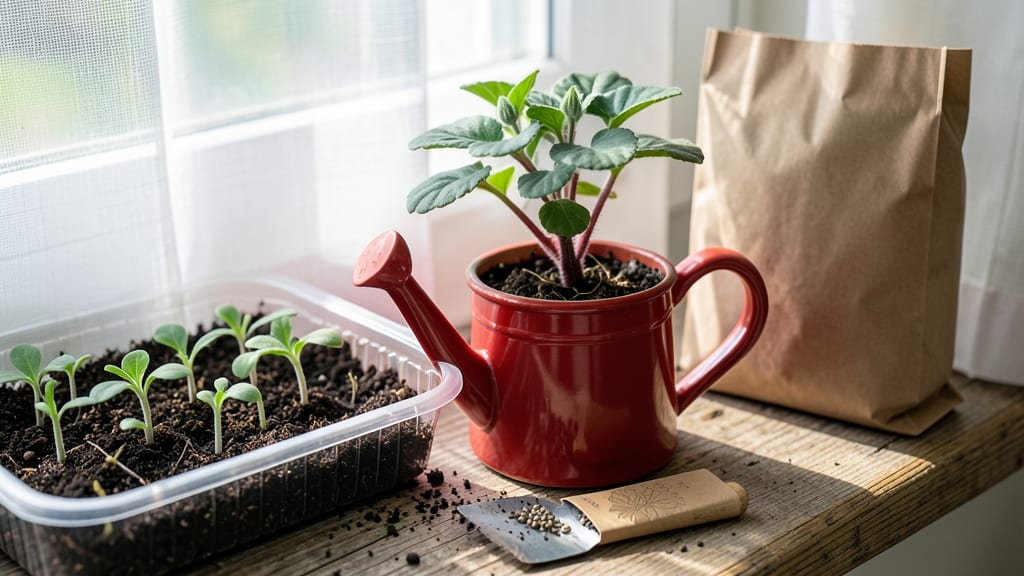
Mastering seed geranium care means year-round color without the high cost of nursery plants. 🌸 I’ve battled leggy seedlings and floppy stems, but these tricks keep them sturdy, blooming, and twist-free from day one—no fancy equipment needed.
The secret starts with light and heat: place seeds under grow lights or on a heat mat (70°F keeps them happy). Plant them just 1/8-inch deep in well-draining soil, and keep it barely moist—no soggy bottoms, no drought stress. Most beginners overwater, and that’s when stems stretch and twist.
By week 6, you’ll have compact, bushy plants ready for transplanting—indoors or out. Pinch back the tips to encourage branching, and feed them lightly with half-strength fertilizer every 4 weeks. The payoff? Geraniums that bloom nonstop from spring to frost, with zero floppy stems.
Works for both windowsill starters and outdoor beds, and the same care keeps them thriving in pots or garden plots. Let’s get those seeds going right!
📚 In This Guide
- What you need
- Instructions
- Tips and common mistakes
- Wrapping up and next steps
What you need
- ● Seed geranium seeds – Choose Pelargonium varieties (e.g., zonal, ivy, or scented). Buy 1–2 packets (50–100 seeds per packet) for a vibrant display.
- ● Seed-starting trays or small pots – 2–4 inch pots (biodegradable or plastic) or a seed tray with drainage holes (10–20 cells per tray).
- ● High-quality seed-starting mix – 1–2 bags (sterilized, peat-based or coco coir blend) to prevent damping-off disease.
- ● Grow lights or sunny windowsill – A LED grow light (12–16 hrs/day) or a south-facing window (6+ hrs of sunlight).
- ● Spray bottle – For gentle watering (avoid over-saturating seeds).
- ○ Humidity dome or plastic wrap – Optional but highly recommended to retain moisture while seeds germinate.
- ● Fertilizer (low-nitrogen) – Balanced liquid fertilizer (5-10-5 or 10-10-10) once seedlings sprout (dilute to half-strength).
- ● Garden soil amendment – Compost or well-rotted manure (mix 2–3 inches into topsoil for nutrients).
- ● Mulch – Straw or shredded leaves to retain moisture and suppress weeds.
- ● Hardening-off tray – A shaded outdoor area (e.g., porch or greenhouse) to acclimate seedlings before transplanting.
- ● 🌡️ Temperature control: Keep soil 65–75°F for germination (use a heat mat if needed).
- ● ✨ Lighting hack: If using grow lights, position them 2–3 inches above seedlings to avoid legginess.
- ● 🚫 Avoid overcrowding: Thin seedlings to 2–3 inches apart once true leaves appear.
How to care for seed-grown geraniums for nonstop color
Geraniums from seed are the secret to vibrant, twist-free blooms—here’s how to keep them thriving all year.
🌱 Step 1: Plant in Well-Draining Soil and Bright Light
Start with a light, fast-draining potting mix—geraniums hate soggy roots. I mix equal parts premium potting soil and perlite to prevent compaction. Fill your container to within 1 inch of the rim, leaving room for watering without overflow.
Place your geraniums in a spot with 6+ hours of direct sun daily. South-facing windows or a sunny patio work best. If indoors, supplement with a grow light 6-8 inches above for 12-14 hours/day. You’ll know they’re getting enough light when leaves stay deep green—not pale or stretched.
💧 Step 2: Water Deeply but Infrequently
Geraniums despise wet feet, so water only when the top 1-2 inches of soil feel dry. Stick your finger in—the moment it comes out clean, it’s time. Water slowly at the base until it drains freely from the bottom. Empty the saucer after 10 minutes to avoid root rot.
I’ve learned the hard way that overwatering turns leaves yellow and causes stems to weaken. Let the soil dry out completely between waterings, especially in cooler months. Your plants will thank you with stronger stems and bigger blooms.
✂️ Step 3: Prune for Bushier Growth and Longer Blooms
Pinch back the tips of new growth when stems reach 4-6 inches tall to encourage branching. This is the key to preventing leggy, sparse plants. Use clean scissors to snip just above a set of leaves where new growth will emerge.
Deadhead spent blooms weekly—this redirects energy from seed production to more flowers. I make it a habit to trim in the morning when stems are stiff, so the cuts heal faster. If you see buds forming but no flowers, your plant may need more light or a light fertilizer boost.
🌿 Step 4: Feed Lightly During Growing Season
Use a balanced liquid fertilizer (10-10-10) diluted to half strength every 4-6 weeks from spring through fall. Geraniums are light feeders—too much fertilizer burns roots and reduces blooms. Always water before fertilizing to prevent salt buildup in the soil.
In winter, cut back to just one feeding with a low-nitrogen formula (like 5-10-10) to support dormancy. You’ll notice new growth slow down naturally, which is normal. Over-fertilizing in winter stresses the plant and weakens next year’s blooms.
⏰ Step 5: Overwinter for Year-Round Color
Move geraniums indoors before the first frost, but don’t rush—wait until nighttime temps drop to 50°F. Place them near a bright window or under grow lights for 10-12 hours/day. Reduce watering to every 2-3 weeks, only when soil is bone-dry.
Trim back by one-third in late winter to refresh growth. This is also when I repot into slightly larger containers if roots are crowded. With proper care, your geraniums will burst into bloom again by spring—no twist struggles in sight.
Tips & tricks for perfect seed-grown geranium care
These game-changing strategies will help you avoid the most common pitfalls and keep your geraniums thriving for years.
Soil Mix Secret: When mixing your potting soil and perlite in Step 1, add a handful of coarse sand or pumice to the mix for even better drainage. This creates air pockets that prevent compaction and root rot—especially important for seed-grown geraniums that are more delicate than cuttings. I've found that adding just 10% sand by volume makes a noticeable difference in how quickly water drains through the soil.
Lighting Insight: For indoor geraniums, position your grow light so the leaves are just touching it—this ensures even light distribution across all plants. The 12-14 hours of light mentioned in Step 1 should be split into two sessions if possible: 6 hours in the morning and 6-8 hours in the evening. This mimics natural sunlight patterns and prevents the plants from stretching toward the light source, which leads to those dreaded leggy stems.
Pruning Precision: When deadheading in Step 3, look for the first set of leaves below the spent bloom and cut just above that point. This encourages new growth from that node rather than just the tip. I've noticed that plants deadheaded this way produce blooms about 10 days earlier than those pinched at random points. Also, always use clean scissors—dull blades can crush stems and invite disease.
Fertilizer Timing: The 4-6 week feeding schedule in Step 4 works best when you fertilize right after watering in the morning. This gives the roots time to absorb nutrients before the heat of the day. In winter, when you reduce to one feeding, consider using a seaweed-based fertilizer—it contains natural growth hormones that help the plant recover from dormancy without overstimulating new growth too early.
Pro Tips for Seed Geranium Care
- These game-changing strategies will help you avoid the most common pitfalls and keep your geraniums thriving for years.
- Soil Mix Secret: When mixing your potting soil and perlite in Step 1, add a handful of coarse sand or pumice to the m...
- Lighting Insight: For indoor geraniums, position your grow light so the leaves are just touching it—this ensures even...
Frequently asked questions
Got questions about keeping your seed geraniums thriving?
You’re not alone! Here are answers to the most common concerns—from planting to troubleshooting—so you can enjoy those vibrant blooms all year long.
1. How long does it take for seed geraniums to germinate and bloom?
Seed geraniums typically germinate in 7–14 days when kept warm (around 70°F) and moist. Once sprouted, they’ll take 8–12 weeks to mature and produce their first flowers. For faster blooms, opt for pre-started seedlings or use a heat mat to speed up germination.
2. Why are my geranium leaves turning yellow or dropping?
Yellow leaves or wilting often signal overwatering or poor drainage. Let the top inch of soil dry out between waterings, and ensure pots have drainage holes. Brown edges? That’s usually underwatering or low humidity. Adjust care and trim affected leaves to encourage new growth.
3. Can seed geraniums survive winter indoors?
Yes! Move potted geraniums indoors before first frost (or late summer in cold climates). Place them near a south-facing window for sunlight and reduce watering. Prune leggy stems by 1/3 to encourage bushier growth. Pro tip: Rotate pots weekly for even light exposure!
4. Are seed geraniums annuals or perennials?
Seed geraniums are tender perennials—they’ll die in frost but self-seed prolifically if left in mild climates. In colder zones, treat them as annuals and replant seeds each spring. For year-round color, save seeds from your healthiest blooms or buy fresh packets annually.
5. How do I revive a leggy or overgrown geranium?
Leggy geraniums need a hard prune! Cut back stems by half (or more) in early spring to encourage compact growth. Pinch back tips regularly during the growing season to promote bushiness. Bonus: Deadhead spent blooms to redirect energy into new flowers instead of seed production.
Still stumped? Drop your geranium woes in the comments—we’re happy to help!
Wrapping up and next steps
Caring for seed geraniums doesn’t have to be a challenge—just follow these simple steps, and you’ll enjoy vibrant blooms all year long! With the right soil, sunlight, and a little love (like deadheading and occasional pruning), your geraniums will thrive effortlessly.
Whether you’re a gardening pro or a beginner, these tips make it so easy to keep your plants happy and healthy.
Now that you’re armed with the know-how, why not take the next step? Try experimenting with different varieties or share your newfound skills with fellow plant lovers! Happy gardening—your geraniums are ready to shine! 🌸