
Lawn
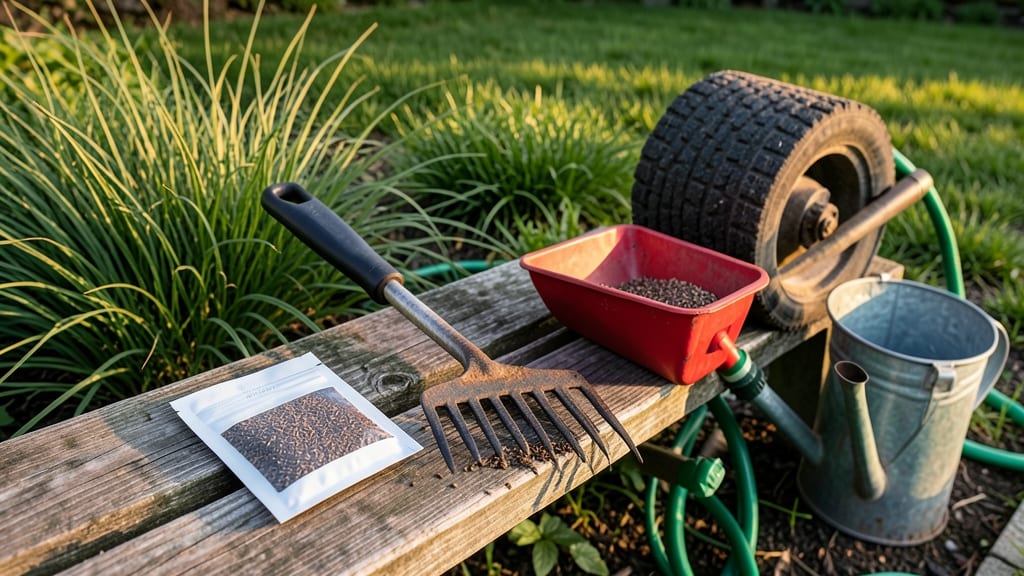
Fall is the perfect time to reseed grass—when temperatures cool and weeds slow down. 🌱 I’ve learned that seeding in late summer or early fall gives grass roots a strong head start before winter’s chill, and the results are noticeably thicker lawns by spring.
The secret? Timing it right when soil stays warm but air cools down—ideal conditions for germination without stress.
You’ll need a few simple tools: a rake to loosen soil, a spreader for even seed distribution, and some quality grass seed suited to your climate. I’ve found that a light layer of mulch or straw helps retain moisture while new grass establishes.
The key is preparing the soil properly—removing debris and aerating if your lawn feels compacted. This step alone makes all the difference in how well the seeds take hold.
Once seeded, keep the area consistently moist for the first few weeks—think of it like giving your lawn a drink every morning and evening. You’ll start seeing sprouts in about 7 to 21 days, depending on the grass type.
By late fall, those roots will be deep and ready to weather winter, setting you up for a lush, green lawn come spring. It’s one of those gardening tasks that feels like magic when it works.
Regional tweaks matter: Northern climates should seed earlier in fall, while Southern areas can push it closer to winter. Troubleshooting common issues—like birds eating seeds or uneven germination—just takes patience and a little problem-solving.
The payoff? A lawn that looks and feels like it’s been professionally cared for, all from your own effort.
📚 In This Guide
- What you need
- Instructions
- Tips and common mistakes
- Wrapping up and next steps
What you need
- ● Seed: Choose a high-quality cool-season grass seed (e.g., Kentucky Bluegrass, Fescue, or Ryegrass) suited to your climate. Aim for 5–10 lbs per 1,000 sq ft (check the seed bag for exact rates).
- ● Lawn Rake or Dethatcher: A bendable-tine rake (for small areas) or a mechanical dethatcher (for larger lawns) to loosen soil and remove debris.
- ● Spreaders: Broadcast Spreader: For even seed distribution (rent or buy for ~$50–$100).
- ● Drop or Hand Spreader: For precision in small or odd-shaped areas.
- ● Soil Amendment: Compost or a slow-release organic fertilizer (e.g., 10-10-10 or 16-4-8) at ½–1 lb per 100 sq ft.
- ● Water Supply: A hose with a sprinkler head or irrigation system capable of light, frequent watering (¼–½ inch per session).
- ● Protective Gear: Gloves, knee pads, and a mask (to avoid seed dust).
- ● Starter Fertilizer: A low-nitrogen, high-phosphorus blend (e.g., 5-10-10) to boost root growth.
- ● Soil Test Kit: To check pH and nutrient levels (ideal pH: 6.0–7.0 for most grasses).
- ● Straw or Netting: Lightweight mulch (¼ inch thick) to hold seeds in place and retain moisture.
- ● Weed Killer (Pre-Emergent): Apply 4–6 weeks before seeding to prevent weeds (e.g., corn gluten meal).
- ● Lawn Roller: Lightweight (50–100 lbs) to press seed into soil after watering.
Step-by-Step instructions for reseeding grass in fall
Fall is the perfect time to thicken your lawn—here's how to do it right for lush results next spring.
🪴 Step 1: Prepare the Soil with Proper Tools
Start by gathering your materials: a rake, lawn roller, grass seed, and a soil test kit (if your lawn has bare patches or thin spots). I like to work when the weather is dry but not too hot—early fall mornings are ideal. Clear any debris like leaves or twigs first, then use the rake to loosen the top inch of soil. This helps new seeds make contact with the earth and encourages root growth.
Pay attention to the soil texture—it should feel crumbly, not compacted. If your lawn has thick thatch (that spongy layer between grass and soil), use a dethatching rake to break it up. You'll know you've done enough when you can see small clumps of soil rather than a solid layer of thatch. This step is crucial because seeds need good soil contact to germinate properly.
🌱 Step 2: Spread Seed Evenly for Consistent Coverage
Use the lawn roller to create a smooth surface before seeding—this helps ensure even seed distribution. Sprinkle the grass seed by hand, working in small sections to avoid missing spots. I like to walk in a crisscross pattern (first one direction, then perpendicular) to guarantee full coverage. For a 4,000-square-foot lawn, you'll typically need about 8-10 pounds of seed—check the seed bag for exact rates.
Don't rush this step. I tap the seed bag gently to release seeds one handful at a time, spreading them thinly rather than dumping clumps. You'll see a light, even layer of seed when you're done—like dusting flour on a cake. This ensures seeds aren't crowded, which helps them grow strong rather than competing for space.
💧 Step 3: Water Lightly but Frequently for Germination
After seeding, water immediately with a fine mist—just enough to moisten the soil about ¼ inch deep. You'll know it's right when the soil looks damp but not soaked. For the first 7-10 days, keep the soil consistently moist by watering twice daily (morning and evening). This encourages seeds to germinate quickly before drying out.
I set a timer to remind me—overwatering can wash seeds away, while underwatering leaves them high and dry. You'll see tiny green shoots appear in about 7-14 days, depending on the grass type and weather. Once they reach 2-3 inches tall, you can reduce watering to once daily and gradually taper off as they establish roots.
☀️ Step 4: Maintain New Growth Through Fall and Winter
After the seedlings are established, mow when they reach 3-4 inches tall, then maintain at 2.5-3.5 inches throughout fall. This height helps roots grow deep before winter. Avoid heavy foot traffic on new grass—it's delicate and needs time to strengthen. I use a lightweight rake to gently fluff the soil around seedlings if it compacts after rain.
Keep an eye on the weather. If a hard freeze is forecast, apply a thin layer of straw mulch (about ¼ inch) to protect young plants. You'll notice your new grass blending seamlessly with the old by late fall—no patchy spots! This fall prep ensures your lawn wakes up thick and green in spring, not thin and struggling.
Tips & tricks for perfect fall grass reseeding
Here's what nobody tells you—these small details make all the difference between patchy results and a lush lawn next spring.
Soil Prep Secret: In Step 1, don't just loosen the soil—test for compaction by pressing your thumb into it. If it springs back slowly, you need to aerate deeper. I rent a core aerator for stubborn lawns—it pulls out soil plugs that let seeds nestle right into the earth. This single step prevents seed washout during your first watering.
Seed Distribution Technique: When spreading seed in Step 2, walk in a grid pattern (not random) to avoid overlapping. I mark my lawn with stakes at 10-foot intervals to ensure even coverage. For larger lawns, consider a broadcast spreader—but hand-seeding gives you control over thin areas. Remember, you can always add more seed, but you can't take it away once it's down.
Germination Timing: The 7-10 day watering window in Step 3 is critical—don't skip a day! I set my sprinkler timer for 10 minutes in the morning and 10 minutes in the evening, then check the soil moisture with my finger. If the top ¼ inch feels dry, water immediately. Overwatering is just as bad as underwatering—you want damp, not soggy soil.
Pro Tips for Reseed Grass In Fall
- Here's what nobody tells you—these small details make all the difference between patchy results and a lush lawn next ...
- Soil Prep Secret: In Step 1, don't just loosen the soil—test for compaction by pressing your thumb into it. If it spr...
- Seed Distribution Technique: When spreading seed in Step 2, walk in a grid pattern (not random) to avoid overlapping....
Frequently asked questions
Got questions about reseding your lawn in the fall?
You’re not alone! Here are some of the most common concerns—and their straightforward answers—to help you get the lush, green results you’re dreaming of.
When is the exact best time to reseed in fall?
The ideal window is late summer to early fall—typically 4-6 weeks before your first hard frost. Aim for mid-September to early October in most U.S. regions. Cool temps and shorter days encourage strong root growth before winter dormancy. Check your local frost dates for precision!
How often should I water after seeding?
Keep the seedbed consistently moist (not soggy!) for the first 2-3 weeks. Water lightly 2-3 times daily (about 5-10 minutes per session) to avoid washing seeds away. Once seedlings sprout, taper to 1 inch of water per week, including rainfall.
Can I overseed an existing lawn, or do I need to till first?
Overseeding works for thin or patchy lawns—just mow short (1-1.5 inches) and rake to loosen soil. For bare spots or compacted soil, till 1-2 inches deep to improve seed-to-soil contact. A slit seeder is a great tool for minimal disturbance!
What if birds or squirrels eat my grass seed?
Use netting or straw mulch to protect seeds until germination. Spread seed evenly in small batches and water immediately to help it stick. If critters are persistent, try deer-resistant grass varieties (like fine fescue) or apply seed in the late afternoon when birds are less active.
Will frost or early snow kill new grass?
Don’t panic! Dormant seed can survive light frost, but avoid seeding within 2 weeks of a hard freeze (<32°F). If snow covers seedlings, it actually insulates them. Just remove heavy snow buildup to prevent damage. Spring will bring a surprise when your lawn greens up ahead of schedule!
Pro Tip:
Test your soil’s pH (6.0–7.0 ideal) and add lime or sulfur if needed 4-6 weeks before seeding. A soil test kit (or local extension office) makes this easy—and saves you from wasted seed!
Wrapping up and next steps
Fall is the perfect time to reseed your lawn—cool temps, fewer weeds, and ideal moisture create the perfect recipe for a lush, green spring. By following these steps, you’ll build a thicker, healthier turf that outshines the competition and withstands winter’s chill. 🌱
Ready to transform your yard? Grab your supplies, roll up your sleeves, and start small—even a single patch of reseeded grass makes a difference! For best results, schedule your project before the first frost and watch your lawn thrive year after year.