
Lawn
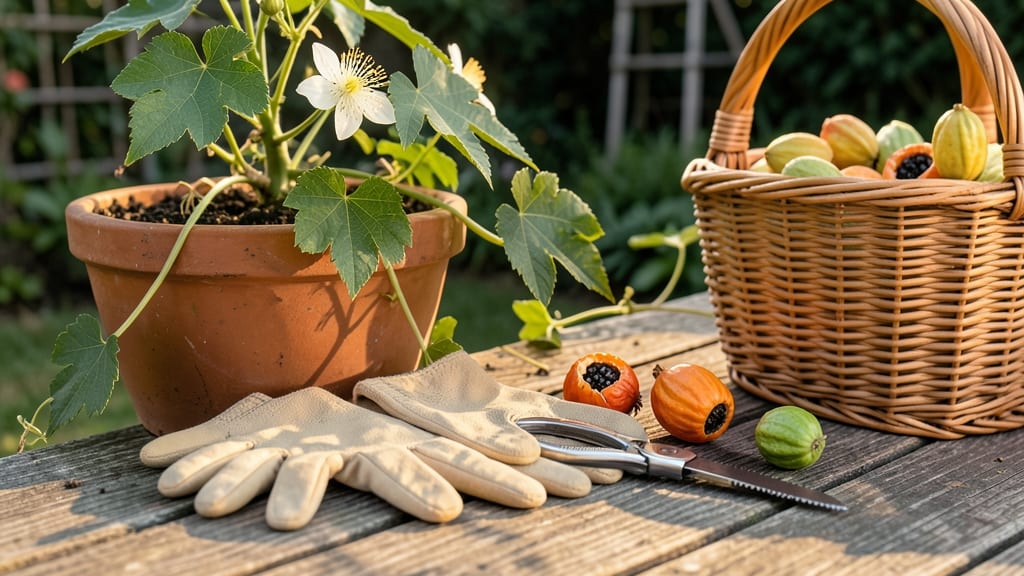
Harvesting passionflower seed pods before they twist open gives you the best chance at growing these exotic vines from scratch. 🌿 I’ve learned the hard way that waiting too long means losing seeds to birds—or worse, having them shatter into the mulch before you can collect them.
The key is timing, and once you master it, you’ll have a steady supply of seeds for year-round planting.
The pods turn from green to brownish-yellow when ready—this usually happens in late summer or early fall, depending on your climate. You’ll need a pair of sharp pruners, a bowl to catch the seeds, and a little patience.
The trick is cutting the pod just as it starts to soften but before it splits open naturally. Inside, you’ll find a gelatinous mass holding the seeds—this is normal and part of the process.
Once you’ve extracted the seeds, they need a cold stratification period to break dormancy. Place them in a damp paper towel inside a sealed bag and refrigerate for 4-6 weeks. After that, sow them in well-draining soil kept consistently moist but not soggy.
Passionflowers thrive in full sun and warm conditions, so don’t rush the planting—wait until all danger of frost has passed.
Here’s where most gardeners trip up: overwatering or planting too deep. The seeds should only be covered with ¼ inch of soil, and you’ll see sprouts in 2-4 weeks if conditions are right.
If you’re in a cooler climate, start them indoors 8-10 weeks before the last frost for stronger seedlings. The payoff? A vine that can climb 20 feet in a single season, with stunning blooms that hummingbirds adore.
📚 In This Guide
- What you need
- Instructions
- Tips and common mistakes
- Wrapping up and next steps
What you need
- ● Mature passionflower vines: Ensure they’re healthy, disease-free, and producing fully ripe seed pods (typically orange or brown when ready).
- ● Pruning shears or sharp scissors: 1 pair (sterilized with rubbing alcohol for hygiene).
- ● Paper bags or breathable mesh sacks: 2–3 medium-sized bags (to store pods and prevent moisture buildup).
- ● Labeling tags & permanent marker: For tracking harvest dates and vine varieties.
- ○ Plastic gloves (optional but recommended): To protect hands from sap or thorns.
- ● Tweezers or small forceps: For gently extracting seeds from pods.
- ● Paper towels or silicone mat: To lay out pods for drying (avoid direct sunlight).
- ○ Small fan or dehumidifier (optional): Speeds up drying in humid climates.
- ● Air-tight glass jars or seed envelopes: For long-term storage (label with harvest date!).
- ● Patience! Pods take 4–6 weeks to fully mature after flowering.
- ● Knowledge of your local climate—harvest on dry, overcast days to prevent mold.
- ● Access to a well-ventilated, dry space (e.g., garage or shed) for curing seeds.
Step-by-step instructions for harvesting passionflower seed pods
Here's how to collect seeds without damaging the plant—no twisting required.
🌱 Step 1: Identify Mature Seed Pods
Passionflower seed pods turn from green to a papery brown when fully ripe. Look for pods that feel dry and papery to the touch—these are ready for harvest. I always check in late summer or early fall, as pods mature gradually after flowering. Avoid harvesting pods that are still green or slightly yellow; they won't contain viable seeds.
Gently shake each pod near your ear. Mature pods make a hollow, rattling sound when seeds are fully formed inside. This is your signal that the seeds are ready. If the pod feels soft or squishy, it’s not mature yet—wait a few more days. Harvesting too early reduces seed viability and can waste your effort.
💧 Step 2: Harvest Without Damaging the Vine
Use clean, sharp scissors or pruning shears to snip the stem just above the pod. I avoid pulling or twisting the pod off, as this can damage the vine and reduce next year’s flower production. Cut at a 45-degree angle to encourage faster healing and prevent water from pooling on the cut stem.
Place the harvested pods in a paper bag or breathable container. Avoid plastic bags, as condensation can cause mold. Label each bag with the date and variety if you’re working with multiple types. Store them in a dry, shaded spot until you’re ready to process the seeds—usually within a week.
✂️ Step 3: Open and Extract the Seeds
Once the pods are fully dry, lay them on a clean surface and gently squeeze them between your fingers. The pod should split open easily, revealing the seeds inside. If it resists, let it dry for another day or two. I always work outdoors or in a well-ventilated area to avoid inhaling the fine, dusty seed fibers.
Remove the seeds from the pod and separate them from the fibrous pulp. Spread the seeds on a paper towel to dry for another day or two, ensuring they’re completely dry before storing. Moisture is the enemy of seed viability—even slight dampness can cause mold or rot during storage.
🪴 Step 4: Store Seeds for Year-Round Viability
Once the seeds are bone-dry, place them in a small envelope or airtight container. I add a silica gel packet to absorb any lingering moisture, which helps maintain viability for up to a year. Label the container with the date and variety, then store it in a cool, dark place like a refrigerator or seed vault.
Check the seeds periodically for signs of moisture or mold. If you notice any dampness or an off smell, discard the batch immediately—compromised seeds won’t sprout. With proper storage, you’ll have fresh, viable passionflower seeds ready to plant whenever you’re ready to expand your garden.
Tips & tricks for perfect passionflower seed harvesting
Here's what nobody tells you about collecting passionflower seeds without ruining your plants.
Timing is Everything: Late summer or early fall is your sweet spot for harvesting passionflower seed pods. I've learned the hard way that pods mature gradually, so don't rush—wait until they're completely papery brown and make that hollow rattling sound when shaken. Harvesting too early means wasted effort and non-viable seeds, while waiting too long can mean the pods split open naturally and scatter seeds everywhere.
The Harvesting Technique: That 45-degree angle cut isn't just for looks—it's a game-changer. Cutting at this angle prevents water from pooling on the stem, which could lead to rot or fungal issues. I also recommend using clean, sharp scissors or pruning shears to make a precise cut just above the pod. This clean cut prevents damage to the vine and encourages faster healing, so your plant stays healthy for next year's flowers.
Drying Secrets: When you're ready to open the pods, work outdoors or in a well-ventilated area to avoid inhaling those fine, dusty seed fibers. Let the pods dry completely before squeezing—this usually takes about a week in a dry, shaded spot. Once opened, spread the seeds on a paper towel for another day or two to ensure they're bone-dry. This extra drying time is crucial for maintaining seed viability and preventing mold during storage.
Storage Wisdom: That silica gel packet I mentioned isn't just a fancy addition—it's your secret weapon against moisture. Place it directly in the container with your seeds to absorb any lingering dampness. I store my seeds in the refrigerator or seed vault, but any cool, dark place will work. Check your seeds periodically for signs of moisture or mold, and don't hesitate to discard any compromised batches immediately. Trust me on this—compromised seeds won't sprout, and you'll waste your time trying to plant them.
Pro Tips for Passionflower Seed Pods
- Here's what nobody tells you about collecting passionflower seeds without ruining your plants.
- Timing is Everything: Late summer or early fall is your sweet spot for harvesting passionflower seed pods.
- The Harvesting Technique: That 45-degree angle cut isn't just for looks—it's a game-changer.
Frequently asked questions
Got questions about harvesting and storing passionflower seed pods? You’re not alone! Here are some common queries—and straightforward answers—to help you master the process like a pro.
When is the best time to harvest passionflower seed pods?
The ideal time is when the pods turn deep brown and begin to split open naturally (usually late summer to early fall). Harvest them before they fully dehisce to prevent seed loss. If pods stay green, wait a few more weeks—they’re not ready yet!
Can I harvest passionflower seeds year-round, or is there a specific season?
While passionflower plants produce pods seasonally (spring/summer), you can store dried pods in a cool, dry place (like a paper bag) for up to 6 months. For fresh seeds, stick to the growing season—no shortcuts! Freezing isn’t recommended, as it reduces viability.
What if my passionflower pods won’t open naturally? How do I extract seeds?
If pods resist, place them in a paper bag and gently crush them with a hammer or rolling pin. Sift out the seeds—they’ll be the hard, black, bean-like bits. Avoid moisture; dampness speeds up mold. Pro tip: Wear gloves—passionflower sap can irritate skin!
Are there alternatives if my passionflower plant isn’t producing pods?
Try these fixes:
- Pollination: Hand-pollinate with a soft brush if bees are scarce.
- Fertilizer: Use a balanced 10-10-10 mix to boost flowering.
- Location: Move plants to full sun (6+ hours/day) if shaded.
- Variety: Opt for Passiflora incarnata (maypop) for reliable pods.
How do I store passionflower seeds long-term without losing viability?
Clean seeds thoroughly, then store them in an airtight container (like a glass jar) with a desiccant packet (or uncooked rice). Keep in the fridge (35–40°F) for up to 2 years. Label with the harvest date—freshness matters!
Wrapping up and next steps
Harvesting passionflower seed pods doesn’t have to be a twisty, messy challenge—with the right tools and techniques, you can ensure viable, year-round seeds with ease! Whether you’re growing for beauty, biodiversity, or even culinary experiments, these pods are a treasure trove of potential. 🌱
Now that you’re armed with knowledge and confidence, why not take the next step? Start a small garden patch, share seeds with fellow plant enthusiasts, or even experiment with growing passionflowers in containers. Your green thumb is ready—let’s grow something extraordinary!