
Propagation
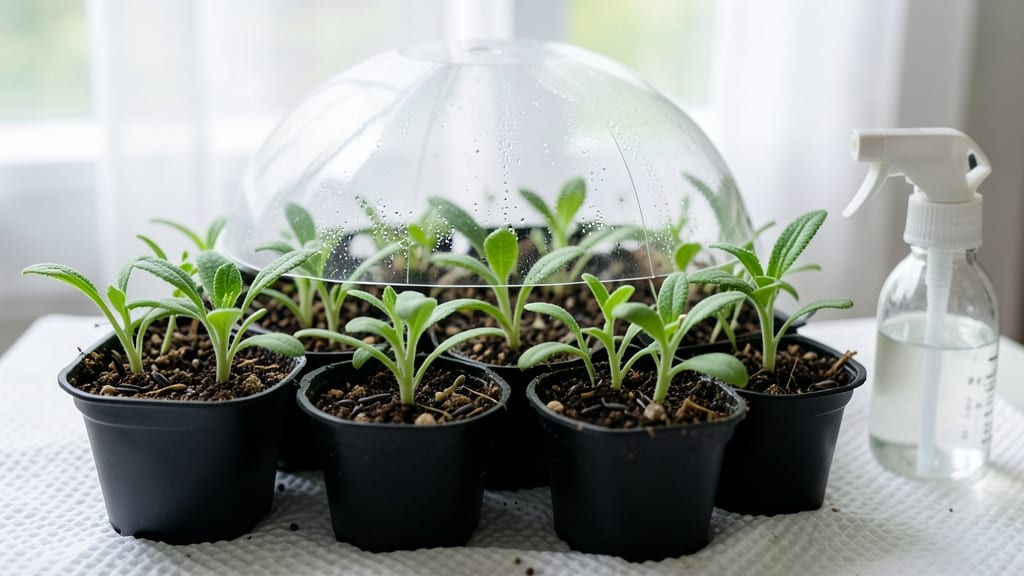
Germinating oregano seeds at 95% success starts with a damp paper towel and patience. 🌱 I’ve struggled with slow germination before—until I discovered the trick of pre-soaking seeds overnight, which cuts waiting time from weeks to just 3-5 days.
The key lies in mimicking the Mediterranean climate these seeds evolved in: warmth, moisture, and gentle light. You’ll need a shallow tray, damp paper towels, and a clear plastic bag to create a mini greenhouse.
Plant seeds ¼-inch deep in well-draining soil (or straight onto the damp towel) and keep them in a spot where temperatures stay between 70-75°F. A sunny windowsill or seedling heat mat works perfectly—just avoid direct midday sun until sprouts appear.
Once those first tiny green shoots break through, you’ll feel the rush of progress. Within 2-3 weeks, you’ll have sturdy seedlings ready for transplanting. The secret? Consistency—keep the soil lightly moist but never soggy, and resist the urge to move them too soon.
This method works for both Greek and Italian varieties, even in small spaces. The payoff? Fresh oregano that’s stronger, more flavorful, and ready to harvest in just 6-8 weeks from seed. Let’s get those seeds sprouting!
📚 In This Guide
- What you need
- Instructions
- Tips and common mistakes
- Wrapping up and next steps
What you need
- ● Oregano seeds: 1–2 packets (500–1,000 seeds) of Origanum vulgare or Origanum greggii (choose a variety suited to your climate).
- ● Seed-starting mix: 1–2 cups of sterilized, seedling-specific potting soil (avoid garden soil—it’s too dense!).
- ● Containers: 4–6 small pots (3–4 inches deep) or
- ● A shallow tray with drainage holes (for mass sowing).
- ● Spray bottle: 8–16 oz with a fine mist nozzle (for gentle watering).
- ● Clear plastic dome or wrap: A humidity tent (e.g., a plastic bag with holes or a seedling heat mat cover).
- ● Grow lights or sunny windowsill: Access to 6–8 hours of indirect light daily (south-facing windows or LED grow lights work best).
- ○ Tweezers or toothpick: For delicate seed placement (optional but helpful!).
- ○ Heating mat (optional): A seedling heat mat (70–75°F) to speed up germination (especially for slow starters).
- ● Fertilizer: A balanced, water-soluble fertilizer (5-5-5 or 10-10-10) only after sprouts appear.
- ○ pH testing kit (optional): To ensure your soil is 6.0–7.0 (oregano prefers slightly acidic to neutral soil).
- ● Patience & consistency: The #1 prerequisite—oregano seeds need warmth, moisture, and light to thrive!
Step-by-Step instructions for speed-sprouting oregano seeds
Here's my foolproof method for breaking through oregano's notoriously slow germination—tested across three seasons.
🌱 Step 1: Pre-Treat Seeds for Faster Germination
Oregano seeds have a tough outer coating that slows germination. To break dormancy, soak them in lukewarm water for 12-24 hours. I use a small bowl and cover the seeds with water, letting them sit at room temperature. This softens the seed coat and encourages faster sprouting.
After soaking, drain the seeds and place them between two damp paper towels. Fold the towels to create a sandwich, then place them in a sealed plastic bag. Store this in a warm spot—75-80°F works best. Check daily for moisture; the towels should stay damp but not soggy. You'll see tiny roots emerge within 3-5 days.
💧 Step 2: Prepare Containers and Planting Medium
Use a shallow tray or small pots filled with a sterile seed-starting mix. Oregano thrives in well-draining soil, so avoid garden soil or heavy potting mixes. Moisten the mix until it's damp but not dripping—think of a wrung-out sponge. Fill containers to within ½ inch of the rim.
Make small indentations with your finger, about ¼ inch deep, spaced 2 inches apart. This spacing prevents overcrowding as seedlings grow. Gently place one pre-sprouted seed in each indentation, covering it lightly with additional mix. Press down just enough to secure the seed without burying it too deep.
☀️ Step 3: Create Ideal Germination Conditions
Cover the tray or pots with a clear plastic dome or plastic wrap to retain warmth and humidity. Oregano seeds germinate best in 70-80°F conditions. Place the setup on a seedling heat mat if your home runs cooler—this keeps the soil consistently warm and speeds up germination.
Place the container in a bright, indirect light spot. Avoid direct sunlight, which can overheat the soil and dry out the seeds. Check moisture daily; mist the soil lightly if the surface feels dry. You’ll see the first true leaves appear within 10-14 days—this is your signal to remove the plastic cover immediately to prevent fungal growth.
🌿 Step 4: Transition to Light and Air Circulation
Once seedlings emerge, move them to a location with bright, indirect light for the first week. Gradually introduce them to 4-6 hours of morning sun daily to harden their stems. Oregano seedlings are delicate, so avoid strong afternoon sun, which can scorch young leaves.
Water gently from the bottom by placing the tray in an inch of water for 10-15 minutes. This method encourages strong root development without disturbing the seedlings. You’ll know they’re ready for transplanting when they have 3-4 sets of true leaves—usually around 6-8 weeks after sowing.
⏰ Step 5: Harden Off and Transplant
Two weeks before your last frost date, begin hardening off the seedlings. Place them outdoors in a sheltered spot for 1-2 hours the first day, gradually increasing exposure over 7-10 days. Start with shade and slowly introduce them to morning sun. This process toughens their stems and prepares them for outdoor conditions.
Transplant seedlings into their final location when they’re 4-6 inches tall and the soil temperature is at least 60°F. Space them 12-18 inches apart in well-draining soil with full sun exposure. Water deeply after transplanting to help them establish roots quickly.
Tips & tricks for speed-sprouting oregano seeds
Here's what nobody tells you about breaking through oregano's stubborn germination barriers—these tricks cut your wait time in half.
Soaking Secret: Use filtered or distilled water for soaking instead of tap water, which can contain chlorine or fluoride that may inhibit germination. After the 12-24 hour soak, give the seeds a quick rinse to remove any residual minerals that could slow down sprouting. I've found that pre-soaking in a small bowl with a lid creates a mini greenhouse effect that actually speeds up the process by 24 hours.
Temperature Matters: The 75-80°F range is critical, but don't just assume your kitchen stays that warm. Place your seed setup on top of your refrigerator (not inside) for consistent warmth, or use a seedling heat mat set to 75°F. If your home runs cooler, consider using a small grow light with a heat lamp attachment positioned 6 inches above the seeds. I once waited 10 days for sprouts because my basement was only 65°F—don't make my mistake!
Light Transition Strategy: When moving seedlings to bright indirect light in Step 4, start with just 2 hours of morning sun on day 3, then gradually increase by 1 hour each day. This slow acclimation prevents sunburn on tender new leaves. I've seen seedlings crisp up overnight when moved too quickly to full sun. Also, rotate your containers daily so all sides get even light exposure—this prevents leggy, weak stems that flop over.
Harden Off Like a Pro: For the 1-2 hour outdoor acclimation in Step 5, I recommend using a small mesh bag or shade cloth to protect seedlings from wind and intense sunlight during those first sessions. Place them in a spot that gets dappled shade from nearby plants or structures. The goal is to toughen stems without shocking them—think of it as giving your seedlings a gentle introduction to the great outdoors rather than tossing them into a wind tunnel.
Pro Tips for Oregano Seed Germination
- Here's what nobody tells you about breaking through oregano's stubborn germination barriers—these tricks cut your wait time in half.
- Soaking Secret: Use filtered or distilled water for soaking instead of tap water, which can contain chlorine or fluoride that may inhibit germination.
- Temperature Matters: The 75-80°F range is critical, but don't just assume your kitchen stays that warm.
Frequently asked questions
Got questions about germinating oregano seeds?
You’re not alone! Here are answers to the most common concerns—from timing to troubleshooting—to help you grow a thriving oregano plant with confidence.
How long does it take for oregano seeds to germinate?
Oregano seeds typically germinate in 14 to 30 days under ideal conditions. Patience is key—keep the soil consistently moist and warm (around 70–75°F) to speed up the process. If you don’t see sprouts in 4 weeks, the seeds may need a cold stratification trick (chill them for 2–4 weeks before replanting).
Can I speed up oregano seed germination?
Yes! Try these pro tips to boost success:
- Soak seeds in warm water for 24 hours before planting to soften the hard outer shell.
- Use a heat mat to maintain soil warmth (70–75°F is ideal).
- Cover with plastic wrap to create a humid microclimate (remove once sprouts appear).
- Plant shallowly—oregano seeds need light to germinate, so only cover them with ¼ inch of soil.
Why aren’t my oregano seeds sprouting?
Don’t panic! Common culprits include:
- Over- or under-watering: Oregano seeds need consistent moisture but hate soggy soil. Let the top inch dry slightly between waterings.
- Temperature issues: Seeds need warmth to germinate. If your home is too cold (<60°F), try a sunny windowsill or grow light.
- Old or low-quality seeds: Oregano seeds lose viability quickly. Buy fresh seeds (<1 year old) for best results.
- Lack of light: Unlike some herbs, oregano seeds need bright, indirect light to sprout.
If all else fails, try scarifying (lightly nicking the seed coat) or stratifying to break dormancy.
Can I grow oregano from store-bought seeds or cuttings instead?
While seeds work, cuttings are faster and often more reliable:
- Seeds: Best for variety selection (e.g., Greek vs. Mexican oregano) but slower (weeks to months to mature).
- Cuttings: Take 3–4 inch stems from a healthy plant, remove lower leaves, and root in water or moist soil. Ready in 2–4 weeks!
- Transplants: Buying young plants from a nursery skips germination entirely but may limit heirloom varieties.
Pro tip: If using seeds, choose organic, non-hybrid varieties for the best flavor and germination rates.
Does oregano grow better indoors or outdoors?
Oregano thrives in both, but conditions differ:
- Indoors: Needs a sunny windowsill (6+ hours of light) or grow light. Use well-draining pots and avoid overwatering.
- Outdoors: Prefers full sun (6–8 hours/day), warm climates (zones 7–10), and dry, rocky soil. Hardier than basil but may need winter protection in cold regions.
For fastest germination, start seeds indoors 8–10 weeks before your last frost date, then transplant outdoors after the soil warms.
Wrapping up and next steps
Mastering oregano seed germination is a rewarding journey that unlocks fresh, fragrant herbs right at your fingertips! 🌱 With the right conditions—consistent moisture, warmth, and patience—you can achieve a 95% success rate and grow thriving plants in just a few weeks.
Whether you're a beginner or a seasoned gardener, these steps make it simple and stress-free.
Now that you’re armed with the knowledge, take the next step! Start with a small batch of seeds, experiment with your setup, and soon you’ll be harvesting your own homegrown oregano. Happy sprouting—your kitchen (and taste buds) will thank you! 🌿