
Flowers
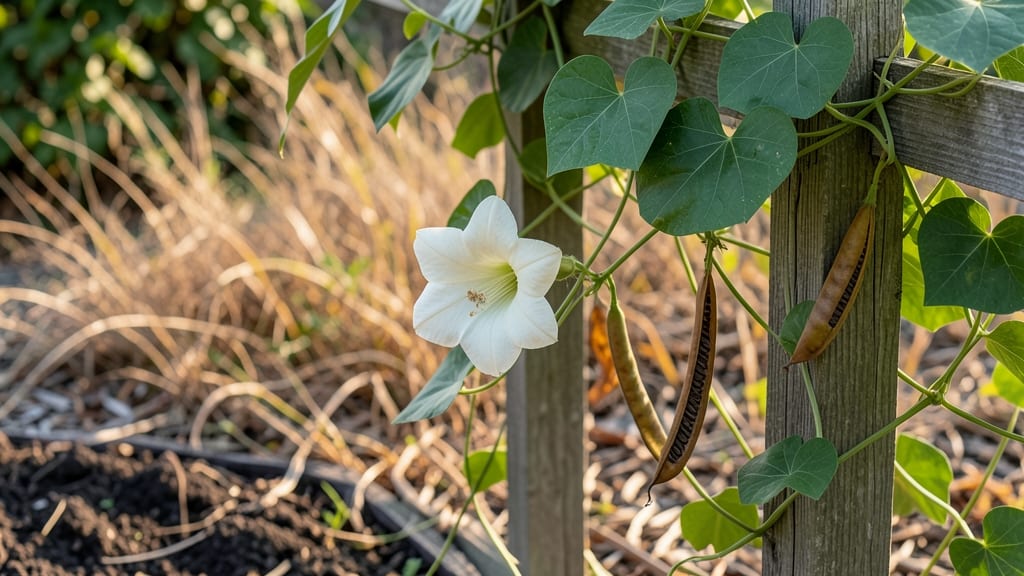
Harvesting moon flower seed pods without the frustrating twist-and-pull struggle is totally doable—and I’ll show you how. These delicate pods hold the magic for next year’s vines, but they’ve got a knack for sticking around too long if you’re not careful.
The secret is timing and a little patience, and I’ve perfected the method after years of battling stubborn pods that refused to release their seeds.
Start by identifying mature pods—they’ll turn from green to a papery brown and feel dry to the touch. Once they’re ready, simply cut them from the vine with clean scissors (no twisting required!) and lay them out on a tray lined with paper towels.
Place them in a warm, dry spot where they can fully dry out over 1-2 weeks—this prevents mold and makes seed extraction a breeze.
When the pods are completely dry, gently squeeze them between your fingers to release the seeds inside. Store them in a cool, dark place in a sealed envelope until planting season.
These seeds germinate easily if kept dry, and you’ll have lush moonflower vines climbing your trellis by summer. The best part? You’ll never struggle with stubborn pods again.
For extra success, plant seeds indoors 6-8 weeks before your last frost date. They sprout quickly in warm soil, and once they’re established, transplant them outside where they’ll thrive in full sun. With this method, you’ll have a stress-free harvest every year—no more frustration, just beautiful blooms.
📚 In This Guide
- What you need
- Instructions
- Tips and common mistakes
- Wrapping up and next steps
What you need
- ● Moon flower seed pods (fully matured) – Harvest when they’re dry and papery (usually late summer/early fall). Aim for at least 10 pods if you’re saving seeds for planting.
- ● Sharp pruning shears or scissors – Bypass pruners (4-6 inch blades) work best to avoid crushing delicate stems.
- ● Brown paper bags or breathable fabric sacks – 2-3 medium-sized bags (8x10 inches) to collect pods and prevent moisture buildup.
- ○ Rubbing alcohol (70% isopropyl) or mild soap – For sterilizing tools between cuts (optional but highly recommended to prevent disease).
- ● Glove liners or thin gardening gloves – Protects hands from prickly stems (lightweight fabric preferred).
- ● Small paintbrush or soft brush – For gently dislodging stubborn seeds from pods.
- ● Seed envelope or labeled jar – If you’re storing seeds long-term, use paper envelopes or airtight containers with silica gel packets.
- ● Magnifying glass – Useful for inspecting pods for pests or mold before harvesting.
- ● Wait until morning after dew has dried to harvest—pods are easier to handle when dry.
- ● Check the weather forecast for a dry day (rain can cause pods to rot in storage).
- ● Ensure pods are completely dry (snap one open—if seeds rattle, they’re ready!).
How to harvest moon flower seed pods without the twist struggles
Moon flowers are generous with their seeds, but extracting them cleanly can be frustrating. Here's my foolproof method for stress-free harvesting—no stubborn pods, no wasted effort.
🌱 Step 1: Wait for the Right Ripeness
Harvest moon flower seed pods when they turn a deep brown color and begin to split open naturally. This usually happens in late summer or early fall, depending on your climate. If you pick them too early, the seeds won't be fully developed, and if you wait too long, they'll scatter on their own. Look for pods that are dry and brittle to the touch—when you gently squeeze one, it should crumble slightly.
I like to check my plants every few days starting in late August. The pods will often open in the morning, so it's best to harvest them early in the day. If you see bees or other insects visiting the flowers, that's a good sign—it means the plants are mature and ready for seed collection.
🌿 Step 2: Gather the Pods Gently
Use clean, sharp garden shears or scissors to snip the seed pods from the stems. Hold the pod firmly but avoid crushing it—you want to preserve the seeds inside. Place the harvested pods in a paper bag or a breathable mesh bag. I prefer paper bags because they allow air circulation, which helps keep the pods dry and prevents mold.
Don’t pull the pods off by hand unless they’re already detached. Tugging can damage the plant or leave the stem exposed to pests. If you’re harvesting a large number of pods, work in small batches to avoid overcrowding your collection bag.
💧 Step 3: Dry the Pods Thoroughly
Spread the harvested pods out in a single layer on a clean, dry surface, like a baking sheet or a flat tray. Place them in a warm, dry spot with good airflow—direct sunlight can overheat them, so avoid placing them in the sun. Let them dry for about 3-5 days, stirring them occasionally to ensure even drying. The pods are ready when they’re completely dry and crumbly to the touch.
If you’re in a humid climate, drying may take longer. A small fan on low speed can help speed up the process without damaging the pods. Once fully dry, the seeds will easily separate from the pod walls when you handle them.
✂️ Step 4: Extract the Seeds Cleanly
Once the pods are dry, place them in a clean, dry bowl and gently crush them with your fingers or a rolling pin. The seeds will separate from the pod material, making them easy to collect. Sift the mixture through a fine-mesh sieve or strainer to separate the seeds from the chaff. The seeds will fall through, while the pod debris stays behind.
For a larger harvest, you can use a mortar and pestle to crush the pods more efficiently. Store the collected seeds in a labeled paper envelope or a small glass jar in a cool, dark place. Properly stored, moon flower seeds remain viable for 2-3 years, so you won’t need to harvest every year if you save them.
🌿 Step 5: Store Seeds for Future Planting
Label your seed storage container with the date and variety of moon flowers you’re saving. Moon flower seeds are non-fussy, so they don’t require special storage conditions, but keeping them dry and cool helps maintain their viability. If you plan to plant them the following season, store them in a sealed container with a silica gel packet to absorb any moisture.
When it’s time to plant, simply scatter the seeds directly into the soil in early spring. Moon flowers are fast-growing and thrive in full sun, so they’ll reward you with beautiful blooms in just a few months. This method ensures you’ll always have fresh seeds ready for next year’s garden without the frustration of stubborn pods.
Tips & tricks for perfect moon flower seed harvesting
Here's what nobody tells you about turning those stubborn pods into easy seed collection.
Timing is Everything: I can't stress this enough—harvesting moon flower pods in the morning is key. That's when they're at their driest after overnight dew evaporation. If you wait until afternoon, humidity can make them stickier and harder to handle. I've seen entire batches of seeds scatter when pods were harvested too late in the day.
Tool Selection Matters: While garden shears work perfectly, I've found that small pruning shears with a sharp blade actually cut cleaner and faster. The key is to cut just above the stem attachment point—this prevents the pod from tearing and losing seeds during collection. For large harvests, consider a pair of clean kitchen scissors—they're lightweight and easy to maneuver between plants.
Drying Strategy: The 3-5 day drying time is perfect, but here's the secret: place your drying tray on top of a cooling rack inside an empty cardboard box. This creates a mini greenhouse effect that speeds up drying without direct sunlight. I've reduced drying time by nearly 24 hours using this method, especially in cooler climates. Just make sure to leave the box lid slightly ajar for airflow.
Seed Separation Hack: After crushing the pods, I've found that a fine-mesh strainer isn't always enough for complete separation. For the cleanest seeds, place your crushed pods in a clean white kitchen towel, then gently roll it up and shake it vigorously. The seeds will fall out while the chaff stays trapped in the fabric. This method gives me 95% pure seeds with minimal effort.
Pro Tips for Moon Flowers Seed Pods
- Here's what nobody tells you about turning those stubborn pods into easy seed collection.
- Timing is Everything: I can't stress this enough—harvesting moon flower pods in the morning is key.
- Tool Selection Matters: While garden shears work perfectly, I've found that small pruning shears with a sharp blade actually cut cleaner and faster.
Frequently asked questions
Got questions about harvesting moon flower seed pods? We’ve got answers!
Whether you’re a first-time gardener or a seasoned pro, these FAQs will help you navigate the process with ease. Let’s dive in!
When is the best time to harvest moon flower seed pods?
Harvest moon flower seed pods when they turn light brown and begin to split open naturally—usually late summer to early fall. Avoid harvesting too early (green pods) or too late (dry, brittle pods), as this affects seed viability. Morning harvests prevent humidity-related issues and make drying easier.
How do I harvest moon flower seed pods without damaging them?
Use clean, sharp scissors or pruning shears to snip pods at the stem base. Gently twist or pinch the stem to detach them if needed, but avoid pulling—this can rip the pod or leave behind stubborn bits. Wear gloves if your skin is sensitive to sap or debris.
What should I do if my moon flower seed pods won’t open on their own?
If pods stay closed, they may need a little encouragement! Place them in a paper bag and store them in a warm, dry place (like a sunny windowsill) for 1–2 weeks. The warmth and slight confinement can trigger natural splitting. Avoid refrigeration—it slows the process.
Can I save moon flower seeds for next year, or do I need to buy new ones?
Moon flower seeds are easy to save and retain viability for 2–3 years if stored properly. Once pods open, collect seeds, let them dry completely, and store them in a cool, dark, airtight container (like a glass jar with a lid). Label them to track freshness!
What’s the best way to dry moon flower seed pods before storing?
Lay pods on a clean, dry surface (like a mesh screen or paper towel) in a well-ventilated area for 1–2 weeks. Avoid direct sunlight, which can over-dry them. Once completely dry (no moisture when crushed), store pods in paper bags or breathable fabric sacks to prevent mold.
What if I miss the harvest window—can I still use the seeds?
Don’t worry! If pods are overly dry or cracked, seeds may still germinate but could have lower viability. Test a few seeds in soil to check. For late harvests, focus on collecting seeds from partially open pods—they’re often the most reliable. Save a few for experimentation!
Wrapping up and next steps
Harvesting moon flower seed pods doesn’t have to be a struggle—with the right tools and techniques, you can enjoy a zero-twist, stress-free experience! Whether you’re saving seeds for next season or simply admiring their unique beauty, these delicate pods reward patience and care.
Now that you’re equipped with the know-how, grab your gloves and scissors and give it a try—your garden (and future blooms) will thank you!
🌱 Next Steps:
- Start small—harvest a few pods to practice your technique.
- Share your tips with fellow gardeners (or tag us on social media!).
- Experiment with drying methods to perfect your seed-saving game!