
Lawn
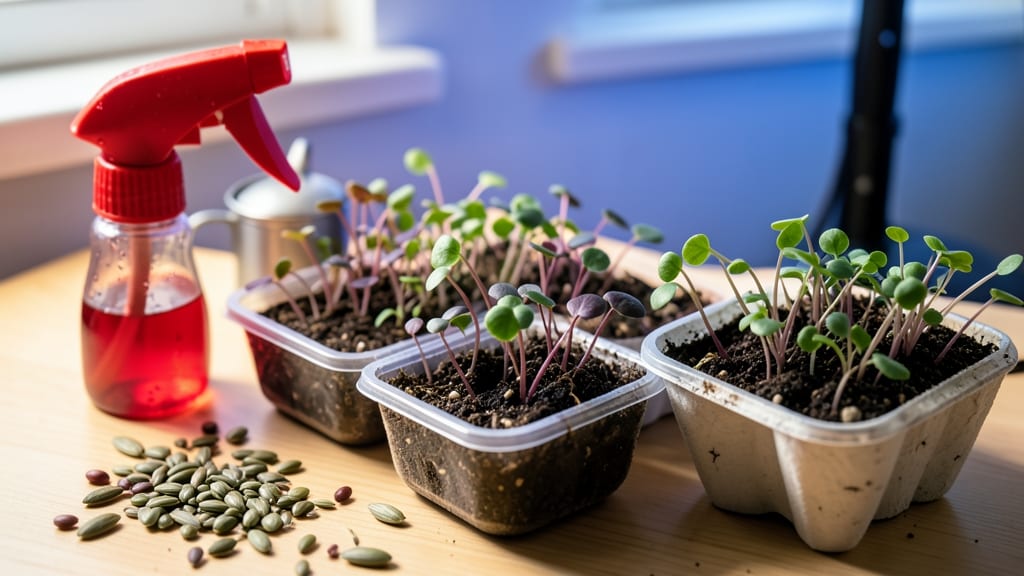
Tucking little seed gardens into your lawn transforms ordinary grass into a burst of color that unfolds like a surprise. 🌸 These aren't just pretty patches—they're self-sustaining pockets of life that bloom without fuss, using space you might not have noticed before.
The magic lies in choosing the right plants: sun-loving annuals that spread naturally, drought-tolerant perennials that return year after year, and even edible flowers that double as garnishes. The beauty of these gardens is their simplicity—no raised beds or complicated layouts required.
You can start with just a few 5-gallon containers tucked near a fence or a small patch of grass you're willing to let go. The key is spacing seeds properly so they don't compete, and selecting varieties that thrive in your specific sunlight conditions.
I've seen marigolds, cosmos, and even tiny lettuce plants thrive in spots where nothing else would grow. By late spring, you'll have a lawn that pops open with color—no planning required.
The flowers attract pollinators, the herbs stay fresh for cooking, and the whole garden feels alive without overwhelming your space. Best of all, these gardens grow more beautiful each year with minimal effort. Perfect for small yards, urban front lawns, or even gaps between sidewalk cracks.
Here's how to make yours bloom effortlessly!
📚 In This Guide
- What you need
- Instructions
- Tips and common mistakes
- Wrapping up and next steps
What you need
- ● Seeds: 1–2 packets of lawn-friendly wildflower seeds (e.g., clover, creeping thyme, or English daisies). Aim for 1–2 lbs per 100 sq. ft.
- ○ Optional: Native pollinator seeds (e.g., black-eyed Susans or milkweed) for extra biodiversity.
- ● Soil: Topsoil or seed-starting mix (1–2 bags, ~40 lbs each, for small patches).
- ○ Optional: Compost (1–2 gallons) to boost nutrients.
- ● Watering: Garden hose with a soft spray nozzle or a watering can.
- ○ Optional: Drip irrigation kit for consistent moisture.
- ● Hand tools: Garden rake (for leveling soil).
- ● Hand trowel (for planting seeds).
- ● Gloves (to protect your hands).
- ● Prep work: Small section of lawn (even a 2’x2’ patch works!).
- ● Sunlight access (6+ hours/day for most wildflowers).
- ○ Optional: Mulch (straw or shredded leaves) to retain moisture.
How to create lawn-friendly seed gardens that bloom naturally
These tiny, self-sustaining gardens work with your lawn—not against it—for effortless color and pollinator support.
🌱 Step 1: Select and Prepare Your Lawn Spots
Choose a 4-inch diameter area in partial shade where grass grows thin naturally—think under shrubs, near sidewalks, or where foot traffic has worn the lawn. Avoid full sun spots unless you're planting shade-tolerant wildflowers like creeping phlox or clover. Use a 2-inch diameter cookie cutter (or a small pot) to remove the grass plug, then dig down 1 inch to loosen compacted soil.
I always test the soil first by squeezing a handful—if it stays in a tight ball, it's too compacted. Add a thin layer of compost (about ¼ inch) to the hole and mix it in lightly. The goal is to create a mini-garden bed where seeds can root without competing with grass. Water the area until the soil feels evenly moist but not soggy.
🌿 Step 2: Choose and Plant Self-Opening Seed Pods
Select pre-packaged wildflower seed pods designed for lawn integration—brands like Wildflower Meadow Mix or Pollinator's Paradise work best. Sprinkle ½ teaspoon of seeds into the hole and cover them with ¼ inch of the loosened soil. Press gently with your thumb to ensure good seed-to-soil contact, but don’t pack it down too firmly.
Here’s the thing—don’t water immediately after planting. Let the seeds settle for 24 hours so they don’t wash away when you finally water. After that, give them a light misting to keep the soil surface damp until germination. You’ll see tiny green sprouts in 7-14 days, depending on your climate.
☀️ Step 3: Maintain with Minimal Effort
Once seedlings reach 1-2 inches tall, reduce watering to once a week unless your area experiences a heatwave. These gardens thrive on partial sun (4-6 hours daily) and occasional rain. Avoid fertilizers—they encourage fast grass growth that will smother your blooms. Instead, add a thin layer of mulch (like straw or shredded leaves) around the edges to suppress competing grass.
Watch for first blooms in 6-8 weeks. The flowers will "pop open" naturally, attracting bees and butterflies while adding color to your lawn. If grass starts encroaching, gently pull it by hand or use a small hand weeder to keep the garden edges clean. Real talk: You’ll need to do this every 2-3 weeks during the growing season.
✂️ Step 4: Encourage Year-Round Beauty
After the first blooming cycle, let the flowers go to seed—this ensures your garden self-sows for next year. In late fall, cut back dead foliage to 1 inch above the soil to protect overwintering plants. If you notice bare spots by spring, sprinkle a little more seed mix and water lightly. These gardens are designed to fill in naturally over time.
Pro tip: Mark your gardens with small garden flags or painted rocks so you don’t accidentally mow them. I use biodegradable flags that disappear by next season—no one wants to find them when they’re pulling weeds. With minimal care, your little seed gardens will multiply and spread, turning patches of grass into pollinator paradises.
Tips & tricks for perfect lawn-friendly blooms
These little tricks will help your seed gardens thrive with minimal effort and maximum beauty.
Location is Everything: Look for areas where grass naturally struggles—these spots already have the right conditions for your seed gardens. I've found that spots near sidewalks or under shrubs get just enough shade while still getting some sunlight. Avoid full sun areas unless you're planting shade-tolerant varieties like creeping phlox, which can handle more direct sunlight.
Soil Prep Matters: When you dig down that 1 inch to loosen compacted soil, take a moment to really work the compost in well. The goal is to create a fluffy bed where seeds can easily establish roots. I like to mix in the compost until the soil looks like crumbly cake batter—this ensures your seeds won't struggle to push through compacted earth later.
Timing is Critical: That 24-hour wait before your first watering is crucial—it prevents seeds from washing away when you finally give them that light misting. I've learned this the hard way after watching seeds get washed out of freshly planted spots. Think of it like giving your seeds time to "settle in" before you introduce them to water.
Mark Your Territory: Those biodegradable flags I mentioned aren't just for show—they're your early warning system. Place them right after planting so you don't accidentally mow your new gardens. I like to use bright colors that stand out against green grass, and they disappear by next season so you don't have to dig them out later.
Pro Tips for Little Seed Gardens
- These little tricks will help your seed gardens thrive with minimal effort and maximum beauty.
- Location is Everything: Look for areas where grass naturally struggles—these spots already have the right conditions for your seed gardens.
- Soil Prep Matters: When you dig down that 1 inch to loosen compacted soil, take a moment to really work the compost in well.
Frequently asked questions
Got questions about growing little seed gardens in your lawn?
You’re not alone! Here are answers to the most common queries to help you get started with ease.
What’s the best time of year to plant little seed gardens in my lawn?
For most lawn-friendly blooms, spring (after the last frost) and early fall are ideal. Cool-season flowers (like clover or wildflowers) thrive in spring/fall, while warm-season seeds (like poppies) prefer late spring. Check your seed packets for specific timing—timing is everything!
How often should I water my little seed gardens?
Keep soil consistently moist (not soggy) for the first 2–3 weeks after planting. Water gently in the morning to avoid fungal issues. Once established, most lawn-friendly seeds need about 1 inch of water per week, either from rain or irrigation. Drip irrigation works best to avoid disturbing delicate seedlings.
Will my lawn still look neat with little seed gardens?
These gardens are designed to blend seamlessly with your lawn. Choose low-growing, clumping flowers (like creeping thyme or self-heal) for a tidy look. Mow around them like you would a regular lawn—just avoid cutting when blooms are in full swing to protect pollinators.
What if weeds take over my little seed gardens?
Weeds are a common challenge, but mulching lightly with straw or hand-pulling early can help. Plant dense ground covers (like clover) to outcompete weeds naturally. If weeds persist, spot-treat with vinegar-based weed killer (avoid harsh chemicals near edible plants).
Can I grow edible plants in these gardens?
Yes! Many edible herbs and veggies thrive in lawn-friendly gardens. Try microgreens (like radish or pea shoots), strawberries, or mint—they’re shallow-rooted and blend well. Just avoid deep-rooted crops (like carrots) that might compete with your lawn’s grass. Rotate crops yearly to keep soil healthy!
Wrapping up and next steps
Starting a little seed garden is more than just a hobby—it’s a celebration of nature’s beauty right underfoot! 🌱 Whether you’re a beginner or a seasoned gardener, these lawn-friendly blooms bring color, life, and joy with minimal effort.
Your tiny patch of greenery can transform into a thriving ecosystem, one seed at a time.
Ready to take the next step? Start small—pick one or two easy-to-grow seeds, mark your spot, and watch your lawn bloom naturally. Happy gardening! 🌸