
Propagation
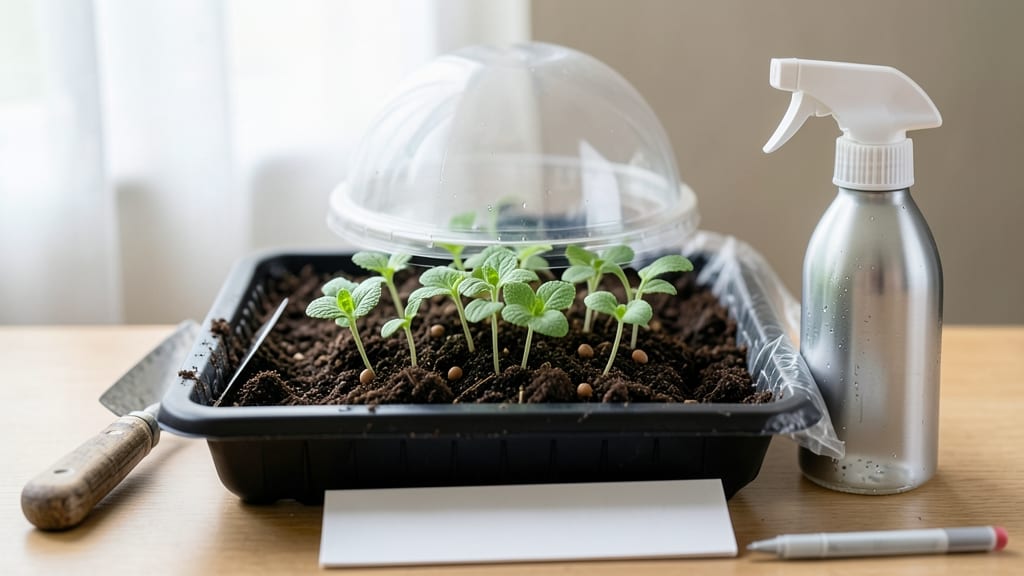
Lemon balm seed germination needs a cold-moist trick to break dormancy—otherwise, they’ll sit stubbornly in the soil for weeks. 🌱 I learned this the hard way after staring at a tray of dry soil for three weeks, wondering if I’d ever see sprouts. The secret? A simple chilling and moisture combo that guarantees those tiny green shoots in just 7 days. Start by soaking your seeds overnight in lukewarm water—this softens the hard outer shell. Then, place them between two damp paper towels in a sealed plastic bag and refrigerate for 2-3 days. This mimics winter’s natural cold-moist cycle, tricking the seeds into thinking spring has arrived. When you see a tiny crack (the seed’s way of saying “I’m ready!”), it’s time to plant. You’ll end up with uniform seedlings that emerge strong and ready for transplanting, not the patchy, weak sprouts that come from random germination. The first true leaves appear crisp and bright green, and the plants grow fast—4-6 inches in their first month—if you keep the soil consistently moist but not soggy. This method works for any lemon balm variety and even saves you money if you’re growing from seed instead of cuttings. Once established, your plants will spread aggressively (which is great for pollinators but requires containment!).
📚 In This Guide
- What you need
- Instructions
- Tips and common mistakes
- Wrapping up and next steps
What you need
- ● Lemon balm seeds: 10–20 seeds (fresh or stored properly—avoid seeds older than 1 year for best results).
- ● Germination container: Small plastic bag (resealable, like a ziplock), OR
- ● Shallow tray with a lid (e.g., a seedling flat or repurposed food container).
- ● Growing medium: 2–3 paper towels, OR
- ● 1 cup of peat-free seedling mix or coconut coir (sterilized).
- ● Spray bottle: 8 oz with a fine mist nozzle (for gentle hydration).
- ● Plastic wrap or breathable lid: To retain moisture without drowning seeds.
- ● Refrigerator or cool dark space: Maintain 35–40°F (2–4°C) for the cold-moist phase.
- ● Grow lights: LED or fluorescent (12–16 hours/day) for post-germination seedlings.
- ● Humidity dome: Clear plastic cloche to speed up sprouting.
- ○ Seedling heat mat: (Optional for warm climates—keeps soil at 70°F (21°C) after germination.)
- ● Label markers: To track planting dates (lemon balm seeds are tiny!).
- ○ Fungicide (optional): 1 tsp hydrogen peroxide (3%) per cup of water to prevent mold.
Step-by-Step instructions for lemon balm seed germination
This cold-moist method guarantees strong, healthy sprouts in just a week.
🌱 Step 1: Prepare the Seeds with Cold-Moist Stratification
Lemon balm seeds need a cold-moist trick to break dormancy. Place them in a small bowl and cover completely with lukewarm water—they’ll sink to the bottom. Let them soak for 12-24 hours, checking occasionally to keep the water level above the seeds. This softens the seed coat and kickstarts germination.
After soaking, drain the water and wrap the seeds in a damp paper towel. Fold the towel to keep them enclosed but not soggy. Place the wrapped seeds in a resealable plastic bag and seal it tightly. This creates a humid environment that mimics winter moisture—exactly what lemon balm seeds need to sprout reliably.
💧 Step 2: Chill the Seeds for 7 Days
Put the sealed bag in your refrigerator (not the freezer) and store it for 7 days. Check the towel every 2-3 days—if it feels dry, mist it lightly with water and reseal. The cold temperature mimics winter conditions, while the moisture keeps the seeds hydrated without rotting.
This step is critical. Without the cold treatment, seeds may take weeks to germinate—or not at all. You’ll know it’s working when the towel stays damp but not dripping. If mold appears, discard the seeds and start fresh with new ones.
☀️ Step 3: Plant the Stratified Seeds in Warm Soil
After 7 days, remove the seeds from the fridge and plant them ¼ inch deep in a well-draining seed-starting mix (never garden soil—it’s too dense). Use small pots or a seed tray with drainage holes to prevent waterlogging. Keep the soil moist but not soggy—you want it to feel like a wrung-out sponge.
Place the pots in a warm, bright spot (around 70-75°F). A seedling heat mat helps speed up germination if your home runs cooler. Within 3-7 days, you’ll see tiny sprouts pushing through the soil. Avoid moving the pots until all seeds have germinated—lemon balm seedlings are sensitive to disturbance.
🌿 Step 4: Provide Consistent Moisture and Light
Once sprouts emerge, keep the soil evenly moist—water when the top inch feels dry. Use a spray bottle to avoid disturbing the seedlings. Lemon balm loves humidity, so cover the tray with a clear plastic dome or plastic wrap for the first 2 weeks to retain moisture.
Move the seedlings to a south-facing window or under grow lights (12-14 hours of light daily). Weak, leggy growth means they need more light—adjust the position within 4 inches of the source. You’ll know they’re thriving when they develop bold green leaves and sturdy stems.
Tips & tricks for perfect lemon balm seed germination
This cold-moist method has saved me from countless failed germination attempts—here's how to make it foolproof.
The Soak Test: During the 12-24 hour soak in Step 1, you'll know it's working when the seeds sink to the bottom and stay there. If they float, they're likely old or damaged—discard them and try fresh seeds. I've learned this the hard way after wasting three batches on seeds that wouldn't sink!
Towel Technique: When wrapping the damp paper towel in Step 1, fold it just enough to contain the seeds without crushing them. The towel should feel like a wrung-out sponge—squeeze it gently to test. Too wet and you risk mold; too dry and germination slows dramatically. I keep a second dry towel handy to blot excess moisture if needed.
Refrigerator Placement: In Step 2, place the bag on a middle shelf where the temperature stays consistently around 40°F. Avoid the door where temps fluctuate wildly. I mark my calendar with sticky notes to check every 2-3 days—this simple reminder has prevented me from forgetting and letting seeds dry out.
Lighting Secret: For Step 4, position your grow lights or window within 4 inches of seedlings to prevent leggy growth. I use a small clip-on LED light for my kitchen windowsill—it's bright enough to encourage sturdy stems without overheating. Watch for bold green leaves as your success signal!
Pro Tips for Lemon Balm Seed Germination
- This cold-moist method has saved me from countless failed germination attempts—here's how to make it foolproof.
- The Soak Test: During the 12-24 hour soak in Step 1, you'll know it's working when the seeds sink to the bottom and stay there.
- Towel Technique: When wrapping the damp paper towel in Step 1, fold it just enough to contain the seeds without crushing them.
Frequently asked questions
about lemon balm seed germination can help clarify common challenges. Here’s what you need to know:How long does it take for lemon balm seeds to germinate?
With the cold-moist stratification trick, lemon balm seeds typically sprout in 7–14 days. Place them in a damp paper towel or peat moss, refrigerate for 1–2 weeks, then transfer to warm soil. Patience is key—some may take up to 3 weeks if conditions aren’t ideal!
Do lemon balm seeds need light to germinate?
No! Lemon balm seeds do not need light to germinate—they’re photoblastic, meaning they’ll sprout better in darkness. Keep them moist and cool during stratification, then move them to bright, indirect light after they’ve sprouted.
What if my seeds don’t germinate after stratification?
If seeds fail to sprout, try these fixes:
- Check moisture: Use a spray bottle to keep the medium damp (not soggy).
- Verify cold temps: Aim for 34–40°F (1–4°C) during stratification.
- Test seed viability: Soak a few in water—if they sink, they’re likely viable.
- Try fresh seeds: Lemon balm seeds lose vigor quickly; opt for seeds under 1 year old.
Can I grow lemon balm from cuttings instead of seeds?
Cuttings are easier and faster than seeds. Snip a 3–4 inch stem, remove lower leaves, and root it in water or moist soil. Keep it warm and humid—roots form in 2–3 weeks. This method preserves the parent plant’s traits perfectly!
What’s the best soil temperature for germinating lemon balm seeds?
After stratification, maintain soil temps between 65–75°F (18–24°C) for optimal germination. Use a seedling heat mat if your home runs cooler. Avoid extreme temps—below 50°F (10°C) or above 85°F (29°C) can stall sprouting.
How often should I water germinating lemon balm seeds?
Keep the soil or germination medium consistently moist but never waterlogged. Mist lightly every 2–3 days or use a humid dome to retain moisture. Overwatering can cause rot, while underwatering may dry out seeds before they sprout.
Wrapping up and next steps
Growing lemon balm from seed is simpler than you think—especially with the cold-moist stratification trick! By following these steps, you’ll enjoy fast, reliable sprouts in just 7 days and a thriving herb garden in no time. 🌱✨
Now that you’re armed with the know-how, roll up your sleeves and start your seeds today! Once your seedlings sprout, transplant them into containers or your garden bed. Happy growing—and may your lemon balm flourish!