
Propagation
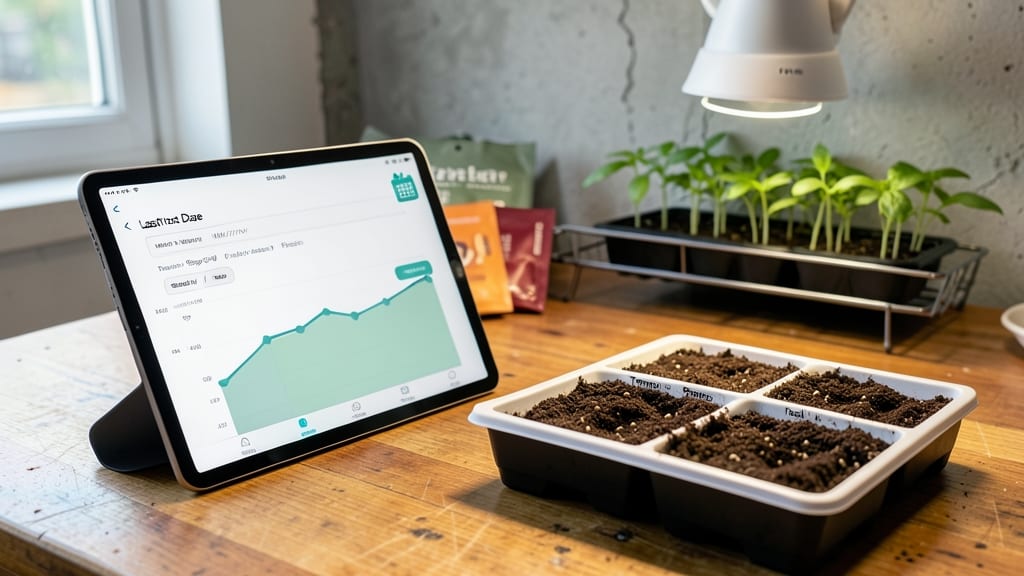
Timing your seeds wrong means weak seedlings or wasted effort. 🌱 Johnny’s Seed Starting Calculator takes the guesswork out of when to start seeds indoors so you get stocky, healthy plants ready for transplanting—no more bolted lettuce or leggy tomatoes.
I’ve used it for three seasons, and the difference between my first batch of seedlings (which looked like sad twigs) and now? Night and day.
The tool accounts for everything: your last frost date, how long each seed needs to germinate, and how many weeks seedlings need to harden off before going outside. Just plug in your zip code, pick your seeds, and it spits out exact start dates—no math required.
My basil now goes from seed to pot in 6 weeks, ready to outpace store-bought plants by June.
You’ll end up with seedlings that look like they came from a nursery, not a windowsill. The calculator even adjusts for slow starters like parsley (which takes 21 days to germinate) or fast growers like radishes (which you’d never start indoors).
No more rushing or waiting too long—just perfect timing every time.
Works for any climate, from short-season zones to long growing areas. Once you master it, you’ll never buy transplants again. Here’s how to use it like a pro—no more seedling roulette.
📚 In This Guide
- What you need
- Instructions
- Tips and common mistakes
- Wrapping up and next steps
What you need
- ● Seeds: Choose high-quality seeds from Johnny’s Selected Seeds or trusted suppliers. Pro tip: Check the seed packet for specific planting depth and spacing requirements!
- ● Seed Starting Mix: 10–20 lbs of a sterile, well-draining mix (e.g., Johnny’s Premium Seed Starting Mix). Avoid garden soil—it’s too dense and can harbor pests.
- ● Containers: Seed trays or cell packs (e.g., 72-cell trays for fine seeds, 1020-cell trays for larger seeds).
- ● OR Recycled containers (yogurt cups, egg cartons) with drainage holes.
- ● Grow Lights or Sunlight: A full-spectrum LED grow light (e.g., Johnny’s 12-inch T5 Grow Light) or a south-facing window with 6+ hours of sunlight daily.
- ○ Heat Mat (Optional but Recommended): For cold-weather starts, a seedling heat mat (e.g., 10”x20” mat) keeps soil temps ideal (70–90°F).
- ● Misting Bottle or Spray Nozzle: For gentle watering to avoid disturbing seeds.
- ● Labels & Marker: Waterproof labels and a permanent marker to track seed varieties and planting dates.
- ● Humidity Dome: Keeps moisture levels high during germination (critical for seeds like lettuce or peppers).
- ● pH Test Kit: Ensures your seed mix is in the ideal range (5.8–6.2 for most veggies).
- ● Fertilizer: A low-dose starter fertilizer (e.g., fish emulsion 1-2-2) for post-germination growth.
- ● Thermometer: Monitors soil and air temps—especially useful in unpredictable climates.
- ● Transplant Tray: For hardening off seedlings before outdoor planting.
Instructions: how to use Johnny's seed starting calculator for flawless scheduling
This tool turns guesswork into foolproof timing—here's how to use it like a pro.
📅 Step 1: Input Your Last Frost Date
Start by entering your average last frost date for your growing zone. This is the moment Johnny's calculates everything from—think of it as your seedlings' graduation day. If you're unsure, check the USDA zone map or use your local cooperative extension service. The calculator handles all the complex math behind seedling growth rates and transplant readiness.
Here's the thing—don't eyeball this. A single week's difference can mean the difference between robust transplants and leggy, weak seedlings. For example, if your last frost is May 15th, the calculator will automatically work backward from that date, accounting for each plant's specific germination time and growth requirements.
🌱 Step 2: Select Your Seed Varieties
Choose each variety you're starting from Johnny's extensive database. The calculator needs to know each plant's days to germination, days to transplant, and hardiness to create your personalized schedule. Pro tip: Sort by your preferred categories—vegetables, flowers, or herbs—to keep your workspace organized.
You'll notice some seeds germinate in 5-7 days (like lettuce) while others take 2-3 weeks (like tomatoes). The calculator accounts for this by scheduling your planting dates accordingly. If you're starting multiple varieties, group them by germination speed to avoid confusion during the seedling stage.
⏰ Step 3: Set Your Target Transplant Dates
Now it's time to refine your schedule. Enter your preferred transplant dates for each variety—this is when you'll move seedlings from indoors to your garden. The calculator will automatically adjust your starting dates to ensure seedlings are the perfect size: 4-6 weeks old for most vegetables, 6-8 weeks for tomatoes, and 8-10 weeks for peppers.
Watch for the "Optimal Window" recommendations that appear for each plant. These are based on Johnny's decades of seed-starting experience and represent the ideal size for healthy, vigorous transplants. For instance, you'll see that basil should be 4-5 weeks old at transplant time, while broccoli needs 5-6 weeks—this prevents overcrowding and ensures strong root systems.
📊 Step 4: Generate and Review Your Schedule
Once you've entered all your varieties, click "Generate Schedule" to see your complete seed-starting timeline. The calculator presents your planting dates, germination expectations, and transplant readiness all in one clear view. You'll see which seeds to start first and which can wait, preventing the chaos of seedlings popping up at different times.
Pay special attention to the "Days Until Germination" column. This tells you exactly when to expect your first sprouts—mark these dates on your calendar so you can monitor moisture levels and light conditions. Real talk: I've learned the hard way that forgetting to check on seeds during germination leads to missed opportunities or even failed starts.
🔄 Step 5: Adjust and Save Your Plan
Use the adjustment tools to fine-tune your schedule based on your specific growing conditions. You can modify light availability, temperature ranges, or even add notes about your seedling heat mat setup. The calculator then recalculates everything to match your real-world conditions—this is where the "perfect" timing comes from.
Save your customized schedule as a PDF or print it out to keep by your seed-starting station. I always tape mine to the inside of my seedling tray lid so I can check progress at a glance. The beauty of this system is that it adapts to your space, not the other way around—whether you're working with limited windowsill space or a dedicated grow room.
Tips & tricks for perfect seed starting timing
These precision tips will help you get the absolute most out of Johnny's Seed Starting Calculator—no more wasted seeds or missed opportunities.
Last Frost Date Accuracy: Double-check your last frost date using your local cooperative extension service or a reliable online resource like the USDA Plant Hardiness Zone Map. A single week's discrepancy can throw off your entire schedule—especially for heat-loving plants like tomatoes that need precise timing. I once started my peppers two weeks too early because I used a neighbor's frost date instead of my own, and they became leggy and weak by transplant time.
Organize by Germination Speed: In Step 2, group your seeds by their germination times (5-7 days vs 2-3 weeks) before entering them into the calculator. This visual organization prevents the chaos of having fast germinators like lettuce sprout while you're still waiting for tomatoes. I keep a separate tray for quick germinators and another for slow starters—it saves me from constantly rearranging my seedling setup.
Optimal Window Awareness: Pay special attention to the "Optimal Window" recommendations in Step 3, particularly for plants like basil (4-5 weeks) and broccoli (5-6 weeks). These windows represent the perfect balance between seedling size and root development. I've found that seedlings at the younger end of the window (like 4 weeks for basil) transplant more easily, while those at the older end (5-6 weeks) have stronger root systems to handle transplant shock.
Calendar Integration: After generating your schedule in Step 4, transfer the critical dates (planting, germination expectations, transplant readiness) to your digital or paper calendar. Set reminders for germination dates so you can monitor moisture levels and light conditions. I keep a small whiteboard by my seed-starting station with all the key dates—it's become my seedling command center. This prevents the "out of sight, out of mind" syndrome that leads to dried-out seeds or overwatered seedlings.
Pro Tips for Johnnys Seed Starting Calculator
- These precision tips will help you get the absolute most out of Johnny's Seed Starting Calculator—no more wasted seed...
- Last Frost Date Accuracy: Double-check your last frost date using your local cooperative extension service or a relia...
- Organize by Germination Speed: In Step 2, group your seeds by their germination times (5-7 days vs 2-3 weeks) before ...
Frequently asked questions
Got questions about using Johnny’s Seed Starting Calculator to nail your germination timing? You’re in the right place! Here are answers to the most common queries—so you can start seeds with confidence and avoid common pitfalls.
What’s the best time to start seeds indoors using the calculator?
The calculator factors in your last frost date, seed maturity days, and ideal transplant age. Simply input your location, and it’ll generate a precise window—usually 6–8 weeks before the last frost for most veggies, but earlier for slower growers like tomatoes or later for fast sprouters like radishes.
Can I adjust the calculator for my specific growing zone?
The tool is zone-aware—just select your USDA Hardiness Zone (or enter your ZIP code) to get hyper-localized recommendations. Pro tip: Check microclimates (like urban heat islands) if your garden behaves differently than the zone average!
What if my seeds won’t germinate even after using the calculator?
Troubleshoot with these steps:
- Temperature check: Most seeds need 65–75°F (use a seedling heat mat if needed).
- Moisture: Keep soil consistently damp (not soggy)—mist lightly or use a humidity dome.
- Depth: Plant seeds 2–3x their width deep (shallow for tiny seeds like lettuce).
- Freshness: Old seeds (<2 years) may fail—test viability with a simple paper towel test.
Is there a way to start seeds without the calculator?
Yes! Use this quick rule of thumb:
Seed Type
Weeks Before Last Frost
Leafy greens (spinach, lettuce)
4–6 weeks
Root veggies (carrots, beets)
6–8 weeks
Fruiting plants (tomatoes, peppers)
8–10 weeks
Herbs (basil, cilantro)
3–4 weeks
But the calculator adjusts for your exact conditions, so it’s still the gold standard!
What if I miss the calculator’s recommended window?
Don’t panic! You can:
- Start later and use grow lights to speed up growth (14–16 hours/day).
- Choose fast-maturing varieties (e.g., ‘Early Girl’ tomatoes mature in 50 days).
- Direct-sow hardy crops like peas or kale 2–3 weeks before the last frost.
Just avoid transplanting tender seedlings when night temps dip below 50°F.
Wrapping up and next steps
Mastering seed starting timing doesn’t have to be a guess—with Johnny’s Seed Starting Calculator, you’re equipped to give your plants the best possible start! Whether you’re a seasoned gardener or just beginning, precision planning ensures healthier seedlings and a more bountiful harvest. 🌱
Ready to take the next step? Download the calculator today, jot down your planting dates, and get growing with confidence! Your future garden will thank you. 🌿