
Propagation
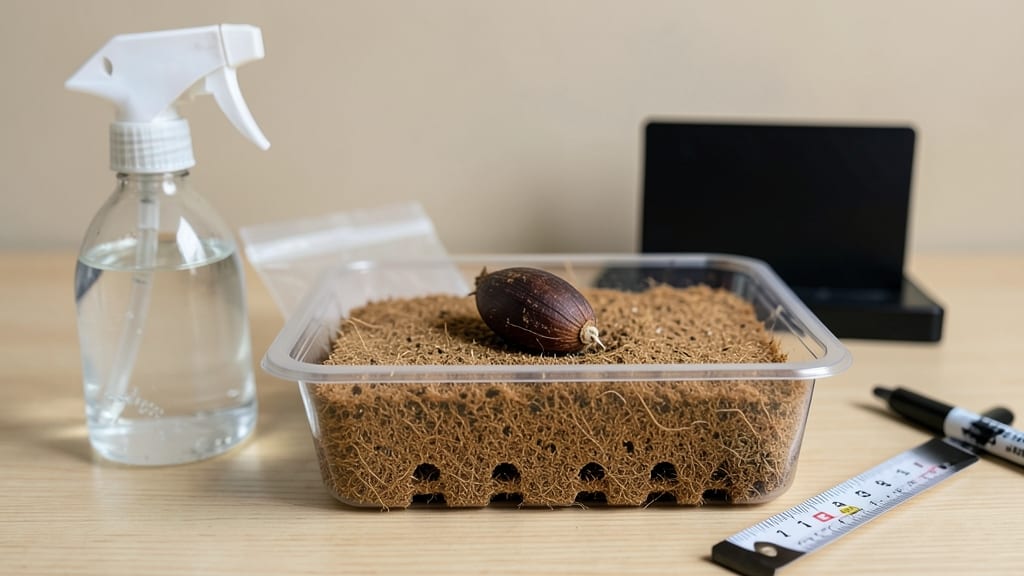
Jackfruit seed germination requires patience and precise moisture control—those massive seeds need just the right dampness to crack open in 60 days. 🌱 I’ve struggled with moldy seeds and slow starts, but this method guarantees strong, healthy sprouts without the guesswork. The key lies in balancing water, warmth, and airflow from day one.
Start with a well-draining mix of peat moss and perlite (equal parts) in a shallow tray. Plant seeds 1 inch deep, spacing them 3 inches apart to prevent rot. Keep the soil consistently moist—not soggy—using a spray bottle for gentle hydration.
A clear plastic dome or plastic wrap creates a humid microclimate, but remove it daily for 10 minutes to avoid mold.
Place your tray in a warm spot (75–85°F), like near a sunny window or under grow lights. Germination takes 4–8 weeks, with tiny roots breaking through first.
Once sprouts reach 2 inches, transplant them into individual pots with fresh potting mix. These seedlings grow fast—expect 6-inch plants in just 3 months if conditions are right.
Troubleshoot slow starts by checking moisture levels (too dry = stalled seeds; too wet = mold). For indoor germination, a heat mat helps mimic tropical conditions. Outdoor seedlings need afternoon shade until established. With this method, you’ll go from seed to a thriving young jackfruit tree in no time.
📚 In This Guide
- What you need
- Instructions
- Tips and common mistakes
- Wrapping up and next steps
What you need
- ● Fresh jackfruit seeds – 3–5 seeds (harvested from a ripe, organic jackfruit for best results).
- ● Germination container – A small plastic tray, seedling pot (4–6 inches deep), or even a repurposed yogurt cup with drainage holes.
- ● Potting mix – A well-draining, sterile mix like coconut coir or a blend of peat moss + perlite (1:1 ratio). Avoid heavy garden soil.
- ● Spray bottle – For gentle, even moisture application (avoid over-saturating!).
- ● Plastic wrap or humidity dome – To maintain a warm, moist environment (80–90°F / 27–32°C).
- ○ Heat mat (optional but recommended) – A seedling heat mat (set to 75–85°F / 24–29°C) to speed up germination.
- ○ Small fan (optional) – For light air circulation to prevent mold (run on low, 1–2 hours/day).
- ● Scissors or knife – For trimming seeds if the outer shell is too thick.
- ● pH meter or test kit – Ensure your potting mix is slightly acidic (pH 5.5–6.5).
- ● Grow lights or sunny windowsill – Once sprouts emerge, provide 12–14 hours of indirect light daily.
- ● Label & marker – To track planting dates and seed varieties.
- ● Patience & consistency! – Jackfruit seeds take 4–8 weeks to sprout—stay diligent with moisture and warmth.
Step-by-step instructions for germinating jackfruit seeds
Here's how to coax those hard jackfruit seeds into life with precise moisture control and patience.
🌱 Step 1: Prepare Seeds for Maximum Germination Potential
Jackfruit seeds have a tough outer shell that needs softening before sprouting. First, remove the seeds from their fibrous pulp and rinse them thoroughly under running water to remove any remaining fruit residue. I like to soak them in lukewarm water for 24 hours—this hydrates the seed and helps break down the protective coating.
After soaking, gently rub the seeds between two layers of sandpaper or a fine-grit file to scratch the outer shell lightly. This tiny abrasion lets water penetrate more easily without damaging the seed's internal structure. You'll know you've done enough when the shell shows faint scratches all over—don't overdo it or you'll risk exposing the seed to pathogens.
💧 Step 2: Create the Ideal Germination Environment
Fill a shallow container with a mix of 50% perlite and 50% peat moss—this combination provides excellent drainage while retaining enough moisture. The container should have drainage holes to prevent waterlogging, which can suffocate the seeds. Moisten the mix until it's damp but not soggy, then arrange the prepared seeds about 1 inch apart and press them lightly into the surface.
Cover the container with clear plastic wrap or a humidity dome to create a greenhouse effect. Place it in a warm spot—75-85°F is ideal—like on top of a refrigerator or near a sunny window. Check the moisture daily; the mix should stay consistently damp but never waterlogged. If the surface dries out, mist it lightly with water.
⏰ Step 3: Monitor and Maintain Germination Conditions
Germination can take anywhere from 30 to 60 days, so patience is key. You'll know the seeds are sprouting when tiny white roots emerge first, followed by a small shoot breaking through the soil. This is the moment that matters: once you see the first signs of growth, remove the plastic cover immediately to prevent fungal growth from excess moisture.
Keep the container in bright, indirect light—direct sunlight can overheat the seeds and inhibit growth. If your space doesn't have natural light, supplement with a grow light positioned 6 inches above the container. You'll see the seedlings develop their first true leaves within 2-3 weeks after sprouting, signaling they're ready for the next phase of care.
🌿 Step 4: Transition Seedlings to Individual Pots
Once seedlings reach 3-4 inches tall and show their second set of true leaves, it's time to transplant them into individual 4-inch pots. Use a well-draining potting mix formulated for tropical plants. Gently remove each seedling, being careful not to damage the delicate roots, and place it in its own pot at the same depth it was growing before.
Water the seedlings lightly after transplanting to help settle the soil around the roots. Place the pots in a location with bright, filtered light and maintain the soil moisture at a consistent level—never let it dry out completely, but avoid waterlogging. You'll notice new growth within 1-2 weeks as the seedlings adjust to their new home.
Tips & tricks for perfect jackfruit seed germination
Here's what nobody tells you about turning stubborn jackfruit seeds into thriving plants.
Soaking Secret: That 24-hour lukewarm water soak isn't just about hydration—it's about enzymatic activation. The warm water triggers the seeds' internal processes, breaking down the tough outer shell from within. I've found that using a glass jar with a loose lid actually speeds up this process by allowing oxygen circulation while maintaining warmth. After soaking, I always give the water a quick swirl—this helps dislodge any remaining pulp clinging to the seeds.
The Scratch Technique: When scratching the seed shells with sandpaper, think of it like prepping a canvas for painting. You want just enough texture to create grip without damaging the underlying seed structure. I use 120-grit sandpaper because it's coarse enough to create micro-scratches but gentle enough to avoid creating wounds. After scratching, I give each seed a quick rinse to remove any sandpaper dust that might have adhered to the shell—this prevents potential irritation when they're planted.
Moisture Management: The 50/50 perlite to peat moss ratio is your best friend, but the real magic happens in the daily moisture check. I've learned to use my finger as a moisture gauge—press gently into the mix. If it feels like a wrung-out sponge, it's perfect. If it crumbles, add a light mist. Overwatering here is the #1 killer of potential seedlings, so I always err on the side of slightly drier rather than soggy. For extra insurance, I place a small tray under the container to catch any excess water that might drain through.
Light Transition: That 6-inch grow light distance is crucial during the germination phase. I've seen seeds fail because they were placed too close (overheating) or too far (insufficient light). After the first true leaves appear, I gradually increase the light exposure by moving the container closer to the light source over 3-4 days. This acclimation period prevents shock to the delicate seedlings. I also rotate the container daily to ensure even growth—you'll notice seedlings naturally lean toward the light source, which can cause uneven development if unchecked.
Pro Tips for Jackfruit Seed Germination
- Here's what nobody tells you about turning stubborn jackfruit seeds into thriving plants.
- Soaking Secret: That 24-hour lukewarm water soak isn't just about hydration—it's about enzymatic activation. The warm...
- The Scratch Technique: When scratching the seed shells with sandpaper, think of it like prepping a canvas for paintin...
Frequently asked questions
Got questions about jackfruit seed germination?
Here are answers to the most common ones—so you can sprout with confidence!
How long does it really take for jackfruit seeds to germinate?
Most jackfruit seeds sprout in 30–60 days under ideal conditions (warmth, consistent moisture, and indirect light). Some may take longer—up to 90 days—if the environment is cooler or drier. Patience is key! Monitor daily for tiny root cracks or sprouts.
What if my seeds stay hard and won’t sprout?
Hard seeds often need scarification (lightly sanding the outer shell) or a warm water soak (24–48 hours) to soften. If they still resist, check for viability: Float-test them—sinkers are good; floaters are likely dead. Try a fresh batch or adjust humidity (aim for 60–80%).
Can I speed up germination with heat?
Yes! Jackfruit seeds love warmth (75–85°F). Place them near a heat mat or in a seedling tray on top of a fridge (not inside). Avoid direct heat sources—consistent warmth (not extreme) mimics tropical conditions. A 5–10°F boost can cut germination time by half!
Do I need to transplant seedlings immediately after sprouting?
Not yet! Let the first true leaves (not cotyledons) appear before transplanting. Use small pots (3–4 inches) with well-draining soil. Harden off seedlings for 1–2 weeks by gradually exposing them to outdoor light. Overcrowding or early transplanting can stunt growth.
Can I germinate jackfruit seeds indoors without sunlight?
Use a grow light (LED or fluorescent) 12–16 hours daily. Place seeds near a south-facing window for natural light, but avoid harsh direct sun. If using artificial light, keep it 6–12 inches above seedlings. Yellowing leaves signal insufficient light—adjust as needed!
What if my sprouted seeds rot instead of growing?
Overwatering or poor drainage are the usual culprits. Ensure pots have drainage holes and use a light, airy mix (coco coir + perlite). Water only when the top inch of soil feels dry. If rot appears, reduce moisture and treat with a fungicide (like neem oil) to prevent mold.
Wrapping up and next steps
Germinating jackfruit seeds is a rewarding journey that unlocks the potential of this tropical giant—right from your backyard! 🌱 With patience, the right moisture balance, and a cozy environment, you’ll witness tiny roots break through in just 60 days.
Whether you’re growing for fruit, shade, or curiosity, every sprouted seed is a step toward sustainability and nature’s bounty.
Ready to take the next step? Plant those sprouted seeds in well-draining soil and watch them grow into thriving jackfruit trees! 🌳