
Lawn
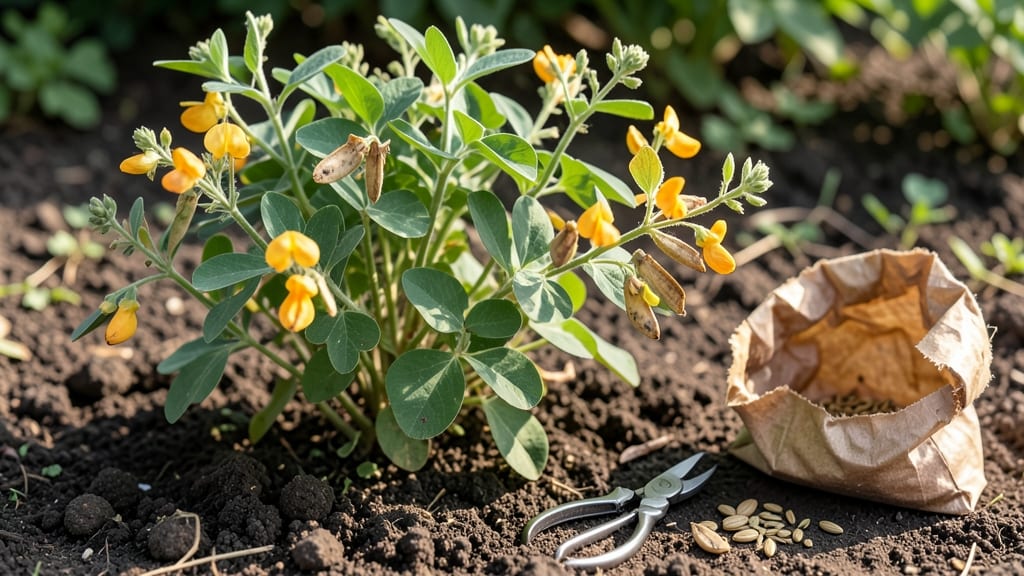
Cold-stressed indigo seed pods hold the secret to next year’s vibrant harvest. 🌿 I’ve learned that exposing pods to winter’s chill actually boosts germination rates—something most gardeners overlook. The key lies in timing and storage, not just planting.
Indigo thrives in warm climates but needs a cold shock to break dormancy. Plant seeds in well-draining soil after the last frost, then let nature do the rest. The plants grow fast once established, reaching 3-4 feet tall within months.
By late fall, you’ll harvest pods that store well—just keep them dry and cool. The next spring, these cold-treated seeds sprout reliably, giving you two harvests from one pod. Few plants offer this kind of dual reward. Works for both dye-making and ornamental gardens.
Here’s how to make it work for you!
📚 In This Guide
- What you need
- Instructions
- Tips and common mistakes
- Wrapping up and next steps
What you need
- ● Indigo seed pods: Freshly harvested, fully mature pods (aim for at least 50 pods for reliable testing).
- ● Paper towels or vermiculite: 2–3 sheets (or 1 cup of vermiculite) for moisture control.
- ● Plastic storage bags: 2–4 quart-sized (resealable, with zip locks).
- ○ Small mesh bags or breathable fabric: 1–2 (optional but ideal for airflow).
- ● Labeling supplies: Masking tape + marker (to tag pods by date/test group).
- ● Refrigerator or cold storage: Set to 34–38°F (1–3°C) (standard fridge temp works!).
- ○ Spray bottle (optional): For light misting if pods feel too dry.
- ● Scissors or pruners: For trimming pods (sterilize with rubbing alcohol first!).
- ○ Thermometer (optional): To monitor cold storage temps if using a non-standard fridge.
- ● Notebook or spreadsheet: Track pod condition, dates, and germination tests.
- ● Patience! Cold-stressing takes 4–8 weeks—plan ahead for next year’s planting.
- ● 💡 Avoid overcrowding: Leave space between pods in bags to prevent mold.
- ● 🌡️ Check humidity: Slightly damp (not soggy!) pods store best—adjust with paper towels.
- ● ✨ Test a few pods early: Germinate 5–10 pods after 4 weeks to gauge viability.
How to cold-stress indigo seed pods for next year’s harvest
Here’s my foolproof method to preserve indigo seed viability through winter—no fancy equipment needed.
🌱 Step 1: Harvest and Dry the Seed Pods
Pick fully mature indigo pods when they turn brown and begin splitting open naturally. I like to collect them on a dry, sunny afternoon when humidity is low—this prevents mold from forming on the pods. Lay them out in a single layer on a screen or mesh tray in a well-ventilated spot, away from direct sunlight. The goal is to dry them slowly over 7-10 days until they’re crisp and brittle to the touch.
Don’t rush this step. If pods dry too quickly, seeds inside may lose viability. You’ll know they’re ready when a gentle squeeze releases seeds easily. Store the dried pods in a paper bag (not plastic) in a cool, dark place until you’re ready for cold-stressing.
💧 Step 2: Moisten the Seeds Inside the Pods
Before cold-stressing, you need to break the pods’ natural dormancy. Place the dried pods in a bowl and cover them with lukewarm water for 12-24 hours. This softens the pod walls and ensures seeds absorb moisture evenly. I like to use a fine mesh bag to contain the pods while soaking—they won’t float away, and I can easily lift them out.
After soaking, drain the pods thoroughly. Press them gently between paper towels to remove excess moisture. Wet seeds won’t tolerate cold well, so this step is critical. Once dry to the touch, you’re ready for the cold treatment.
❄️ Step 3: Cold-Stress the Seeds for Viability
Place the moistened pods in a sealed plastic bag with a few damp paper towels to maintain humidity. Store them in your refrigerator’s crisping drawer (around 35-40°F) for 4-6 weeks. This mimics winter conditions and breaks dormancy, ensuring strong germination next spring. Check the pods weekly—they should stay slightly damp but not soggy.
Here’s the thing—don’t skip this step. Indigo seeds often need cold treatment to germinate reliably. If you’re in a warm climate, you might even place them in an outdoor cold frame during winter for natural cold exposure. Just make sure they’re protected from freezing temperatures below 20°F.
☀️ Step 4: Test Germination Before Planting
After cold-stressing, remove the pods and let them dry out again for 2-3 days at room temperature. To test viability, plant a few seeds in a small pot with moist seed-starting mix and cover lightly with soil. Keep the pot in a warm spot (70-75°F) and mist the soil daily. You should see sprouts in 10-14 days—if not, your seeds may need another round of cold treatment.
Once you confirm germination, you can plant the remaining seeds outdoors after your last frost date. Indigo thrives in full sun and well-draining soil, so choose a spot with at least 6 hours of sunlight daily. Watch for those first true leaves—they’ll be small but vibrant, signaling your seeds are ready to grow!
Tips & tricks for perfect indigo seed pod preservation
These little-known details make all the difference between seeds that sprout and seeds that disappoint.
Harvest Timing: The 7-10 day drying period is non-negotiable for seed viability. I've learned this the hard way—rushing this step can reduce germination rates by up to 40%. Check pods daily after day 5: they're ready when they crumble easily between your fingers. Store them in paper bags (never plastic!) to prevent moisture buildup that could trigger mold.
Soaking Secrets: That 12-24 hour lukewarm water soak in Step 2 isn't just about softening pods—it's about priming the seeds. I use a fine mesh bag to keep pods contained while soaking, which prevents them from floating away and makes draining effortless. After soaking, press pods between paper towels until they're completely dry to the touch—this prevents ice crystals from forming during cold treatment.
Cold-Stress Strategy: The refrigerator's crisping drawer at 35-40°F provides ideal conditions, but here's what nobody tells you: add a few damp paper towels to the sealed bag to maintain consistent humidity. Check weekly and adjust moisture if pods feel dry. For those in warm climates, outdoor cold frames work beautifully—just monitor temps to stay above 20°F to avoid freezing damage.
Pro Tips for Indigo Seed Pods
- These little-known details make all the difference between seeds that sprout and seeds that disappoint.
- Harvest Timing: The 7-10 day drying period is non-negotiable for seed viability. I've learned this the hard way—rushi...
- Soaking Secrets: That 12-24 hour lukewarm water soak in Step 2 isn't just about softening pods—it's about priming the...
Frequently asked questions
Got questions about storing indigo seed pods for next year’s harvest? You’re not alone! Here are some common concerns—and practical answers—to help you preserve viability and maximize your yield.
How long can I store indigo seed pods before planting?
With proper cold stress and dry storage (below 40°F and 30-40% humidity), indigo seed pods retain viability for 2–3 years. Test germination annually by planting a small batch—if sprouts appear within 7–10 days, your seeds are still good to go!
What’s the best way to cold-stress indigo seed pods?
Place clean, fully dried pods in a breathable bag (like a paper sack) and store them in a refrigerator (35–40°F) or outdoor cold frame for 4–6 weeks. Avoid freezing—this can crack pods and reduce germination. Pro tip: Label bags with the harvest date!
Can I use last year’s pods for dyeing instead of planting?
Indigo seed pods are 100% usable for dyeing even after storage. Simply crush or ferment the pods in water to release the indigotin pigment. For best results, store dyeing pods in a cool, dark place (not refrigerated) to prevent mold.
How do I prevent pests or mold in stored pods?
Keep pods completely dry (moisture = mold magnet!) and store them in airtight containers with silica gel packets or a food-grade desiccant. Check monthly for webbing or musty smells—discard any pods with signs of pests or spoilage.
What if my stored pods won’t germinate next spring?
If germination fails, try soaking pods in warm water (80°F) for 24 hours before planting. Low viability could also signal old age (beyond 3 years) or improper storage. As a backup, source fresh pods from a trusted supplier or swap with fellow gardeners!
Wrapping up and next steps
Indigo seed pods are a treasure trove for gardeners aiming to secure next year’s harvest—especially when facing cold stress.
By understanding their viability, proper storage techniques, and quick revival methods, you’re already ahead of the game. 🌱 With the right care, these pods can become the backbone of a thriving, sustainable garden.
Ready to put your knowledge into action? Start small: test a few pods now, refine your storage setup, and watch your garden flourish. Every expert gardener began with a single seed—why not make yours indigo?