
Succulent
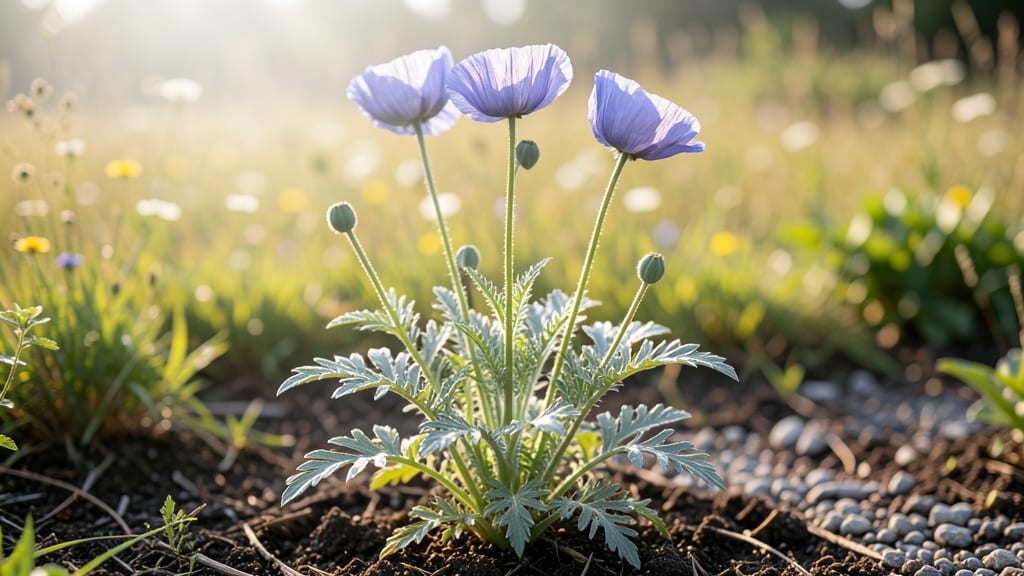
The Hungarian blue breadseed poppy thrives where other plants fail—even in rocky, nutrient-poor soil. 🌱 I’ve grown them in my high-desert garden for years, and they’ve never once complained about the harsh conditions.
Their striking blue blooms and self-seeding habit make them the perfect low-maintenance annual for gardeners who want beauty without fuss.
These poppies love full sun and can handle temperatures as low as 10°F, making them ideal for early spring or late fall planting. They’re also drought-tolerant once established, so forget about constant watering—they’ll reward you with vibrant blooms from spring until frost.
The secret? Plant them in well-draining soil, even if it’s sandy or rocky, and watch them flourish.
By mid-summer, you’ll have clusters of delicate blue flowers that attract pollinators while adding a whimsical touch to borders or meadow-style gardens. The best part? They self-sow prolifically, meaning you’ll get free plants next year with minimal effort.
Just deadhead spent blooms if you want to control where they pop up.
Perfect for cottage gardens, wildflower meadows, or even as a living mulch in vegetable beds. Once you try them, you’ll wonder why you didn’t plant more sooner—they’re that easy and that rewarding.
📚 In This Guide
- What you need
- Instructions
- Tips and common mistakes
- Wrapping up and next steps
What you need
- ● Seeds: 50–100 Hungarian Blue Breadseed Poppy seeds (organic or untreated for best results).
- ● Well-draining soil: 2–3 gallons of a mix of 50% potting soil and 50% perlite or coarse sand (to prevent rot in poor soil).
- ● Containers: Small seed trays or biodegradable pots (3–4 inches deep) for seedlings.
- ● Larger pots (8–10 inches) or garden beds for mature plants (if not direct-sowing).
- ● Watering can or spray bottle: With a fine rose attachment for gentle watering.
- ● Gloves: Lightweight gardening gloves (to protect hands from prickly stems).
- ● Trowel: Small hand trowel for transplanting seedlings.
- ○ Fertilizer (optional): Balanced 10-10-10 fertilizer (diluted to half-strength) for established plants.
- ● Compost or worm castings (for nutrient-poor soil).
- ○ Mulch (optional): Straw or shredded leaves to retain moisture in dry climates.
- ● Cold frame or cloche: For extending the growing season in chilly regions.
Step-by-step instructions for growing Hungarian blue breadseed poppy
This stunning, self-seeding annual is your secret weapon for effortless color—follow these steps for reliable blooms year after year.
🌱 Step 1: Choose the Perfect Planting Location
Hungarian blue poppies thrive in full sun—aim for 6-8 hours of direct sunlight daily. I always pick the sunniest, most exposed spot in my garden because these plants reward bold light exposure with their signature cobalt-blue blooms. The soil doesn't need to be rich; in fact, they perform best in poor, well-drained soil—this prevents root rot and encourages those vibrant flowers.
If your soil is heavy clay, mix in a handful of sand or grit to improve drainage. Poppies hate soggy roots, so avoid low-lying areas where water pools. You'll see the best performance when they're planted in slightly rocky or gravelly soil—this mimics their natural Mediterranean habitat.
🌱 Step 2: Direct Sow Seeds in Early Spring or Fall
Sow seeds ¼ inch deep in early spring after the last frost or in late summer for fall blooms. I like to scatter seeds loosely—don't worry about spacing them perfectly, as they'll self-seed prolifically. Lightly cover with soil and press gently to ensure good seed-to-soil contact. These seeds germinate best in cool conditions, so avoid sowing when soil temperatures exceed 70°F.
Water gently but thoroughly after planting—aim for 1 inch of water per week once established. The key here is consistency: let the soil dry slightly between waterings to prevent damping-off. You'll see tiny green shoots emerge in 2-4 weeks, though germination can take longer in hot or dry conditions.
☀️ Step 3: Provide Minimal Care for Stunning Blooms
Once seedlings reach 4-6 inches tall, they need almost no attention. Poppies are drought-tolerant once established, so water only when the top 1-2 inches of soil feel dry. Overwatering is the biggest mistake—it leads to weak stems and fewer blooms. These plants are tough; they'll handle heat waves and occasional neglect better than most annuals.
Deadhead spent blooms to encourage more flowers, but don't remove all the seed heads if you want next year's crop. I usually leave a few to self-seed naturally—this is how Hungarian blue poppies become a permanent feature in my garden. Fertilizer is rarely needed; a light application of compost in early spring is enough to keep them thriving.
✂️ Step 4: Enjoy Year-Round Beauty and Self-Seeding Magic
The real magic happens in their second year. Left undisturbed, they'll reseed themselves, creating natural drifts of blue that spread effortlessly. You'll see new seedlings popping up in spring, proving how hardy these plants truly are. They're also cold-hardy, often surviving light frosts and returning year after year in mild climates.
If you want to control their spread, cut back foliage after flowering but before seeds mature. This prevents unwanted seedlings while still allowing you to collect seeds for next season. The more you grow them, the more they'll reward you with their striking color and easy-care nature.
Tips & tricks for perfect Hungarian blue breadseed poppy
These simple secrets will help you grow the most vibrant, self-seeding poppies with minimal effort.
Sunlight Strategy: Those 6-8 hours of daily sun are non-negotiable for that signature cobalt-blue color. I've found the best spots are near south-facing fences or walls where the afternoon sun intensifies. If your garden has limited sun, consider growing them in containers where you can move them to catch maximum light throughout the day.
Soil Science: The "poor soil" requirement isn't a limitation—it's a superpower! These poppies actually perform better in lean soil because it prevents leggy growth. If you're unsure about your soil quality, do a simple test: squeeze a handful—if it forms a tight ball, it's too heavy. Amend with coarse sand or perlite to create that ideal rocky, well-drained texture they crave.
Timing Tip: The 2-4 week germination window can feel like forever, but patience pays off. I've had seeds take up to 6 weeks in hot, dry conditions—just keep them consistently moist (not soggy) and they'll eventually emerge. Pro tip: Use a seedling heat mat if your spring nights are still chilly; it can cut that waiting time by half.
Watering Wisdom: That 1 inch per week guideline is perfect, but timing matters more than quantity. Water in the early morning so leaves have all day to dry, preventing fungal issues. Once established, these poppies are incredibly drought-tolerant—you'll know they're happy when they start leaning toward the sun rather than standing upright.
Pro Tips for Hungarian Blue Breadseed Poppy
- These simple secrets will help you grow the most vibrant, self-seeding poppies with minimal effort.
- Sunlight Strategy: Those 6-8 hours of daily sun are non-negotiable for that signature cobalt-blue color.
- Soil Science: The "poor soil" requirement isn't a limitation—it's a superpower!
Frequently asked questions
about the Hungarian Blue Breadseed Poppy—whether you're growing it for its striking blooms or culinary uses—can save you time and frustration. Here are answers to the most common queries!Is Hungarian Blue Breadseed Poppy easy to grow for beginners?
This poppy is a dream for beginners—it’s cold-hardy, drought-tolerant, and thrives in poor soil. Just scatter seeds in early spring or fall, water lightly, and let nature do the rest. No fuss, no fuss!
How long does it take for Hungarian Blue Breadseed Poppy to flower?
From seed to bloom, expect 60–90 days under ideal conditions (full sun, well-draining soil). If sown in early spring, you’ll likely see vibrant blue flowers by mid-summer. Patience pays off—these poppies are worth the wait!
Can I grow Hungarian Blue Breadseed Poppy in hot climates?
Yes! While it loves cooler weather, this poppy handles heat well—just ensure it gets full sun and consistent moisture during dry spells. Mulching helps retain soil moisture. Bonus: It self-seeds, so you’ll have poppies popping up year after year!
Are the seeds edible, and how do I harvest them?
Yes! The seeds are nutrient-rich and delicious—use them in baking, salads, or as a sprinkle on yogurt. To harvest, wait until the seed pods turn brown and papery. Snip them off, dry in a paper bag, and store in a cool, dark place for up to a year.
What if my poppies aren’t blooming? Troubleshooting tips?
No blooms? Check these fixes:
- Light: Ensure 6+ hours of full sun daily—partial shade can stunt flowering.
- Soil: While it tolerates poor soil, amend with compost for richer blooms.
- Water: Too much moisture can cause rot. Water deeply but infrequently once established.
- Deadhead: Remove spent blooms to encourage more flowers.
Wrapping up and next steps
The Hungarian Blue Breadseed Poppy is a resilient, low-maintenance beauty that rewards gardeners with striking blue blooms and edible seeds—all while thriving in challenging conditions.
Whether you're drawn to its cold-hardy nature, poor-soil tolerance, or culinary potential, this poppy is a standout for both beginners and seasoned growers. 🌱
Ready to give it a try? Start by gathering your supplies, then plant with confidence—your garden (and taste buds!) will thank you. Happy growing! 🌸