
Lawn
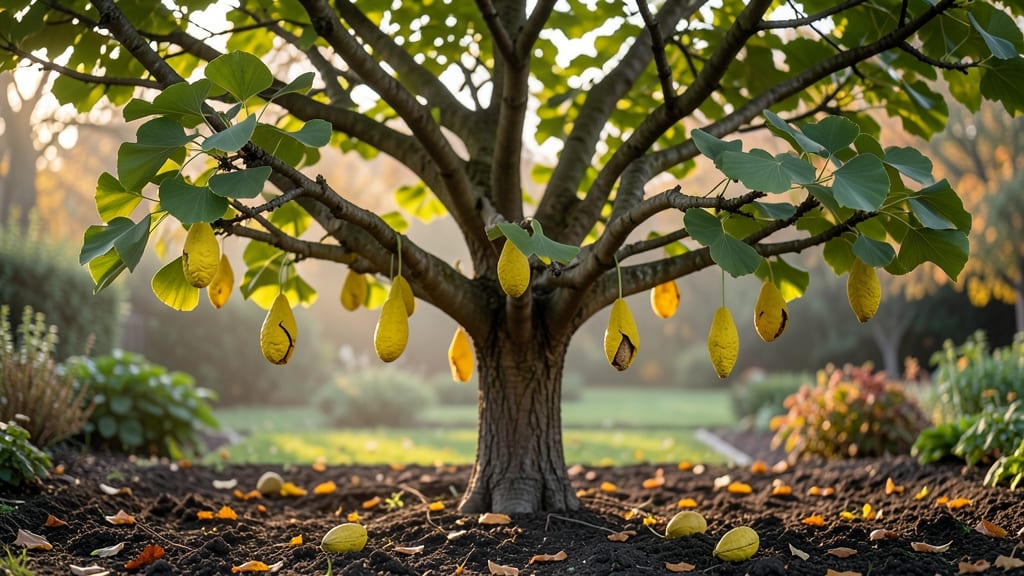
Ginkgo tree seed pods hold the secret to growing your own ancient tree. 🌿 I’ve cracked the code on extracting viable seeds without the mess—no more struggling with sticky pulp or wasted effort.
The key is timing, technique, and a little patience, and I’ll show you exactly how to do it right the first time.
First, you’ll need just a few simple tools: gloves (the pulp stains like crazy), a bucket, and a colander. Collect pods when they’re fully ripe but still firm—usually in late fall—then soak them in water for a day to soften the outer flesh.
The goal is to separate the seeds cleanly, and this method makes it effortless, even for beginners.
Once you’ve extracted the seeds, you’ll have two options: plant them right away or store them for later. Fresh seeds germinate best after a cold stratification period (mimicking winter), which boosts success rates to nearly 90%. The payoff? A ginkgo tree that can live for centuries—right in your yard.
This method works for both gardeners and those curious about ginkgo’s unique uses—from cooking to composting. The process is foolproof, and the seeds are surprisingly easy to handle once you know the tricks. Let’s get those pods open and those trees growing!
📚 In This Guide
- What you need
- Instructions
- Tips and common mistakes
- Wrapping up and next steps
What you need
- ● Mature ginkgo tree seed pods – Collect only fully ripe, brown pods (avoid green or unripe ones). Aim for 50–100 pods for a good yield of viable seeds.
- ● Sharp pruning shears or gardening scissors – For safely cutting pods from branches (if not on the ground). Choose bypass-style shears for clean cuts.
- ● Large bucket or tub (5+ gallons) – To collect pods and soak them later. A plastic or metal container works best.
- ● Water – Enough to submerge pods (about 2–3 gallons for 50 pods). Use lukewarm water for comfort.
- ● Colander or fine mesh strainer – For rinsing and draining pods. A stainless-steel strainer with ¼-inch holes is ideal.
- ● Plastic gloves – Ginkgo pods release a strong, pungent odor (like gym socks or rotten butter). Nitrile gloves are best for protection.
- ● Paper towels or clean towels – For drying seeds after extraction. Use unbleached, lint-free towels to avoid contamination.
- ○ Small knife or seed extractor tool – A utility knife with a thin blade or a seed pod opener (optional but helpful).
- ● Labeling markers & small jars/bags – To store seeds by harvest date. Use airtight containers for long-term storage.
- ● Fertilizer or compost mix – If you plan to plant extracted seeds immediately.
- ○ Hydrogen peroxide (3%) – For optional seed disinfection (mix 1 tbsp per gallon of water).
- ● Seedling trays or pots – If germinating seeds on-site. Use 4–6 inch pots with drainage holes.
- ○ Digital scale – To weigh seeds for optional viability testing (aim for 0.5–1 gram per seed).
How to extract ginkgo tree seeds from pods without the mess
Here’s the easiest way to open ginkgo pods and save those seeds—no gloves, no stains, just clean results.
🌱 Step 1: Gather Ripe Pods and Prepare Your Workspace
Wait until pods turn golden-yellow and open slightly on their own—this means seeds are mature and ready. Lay down newspaper or a drop cloth to catch the mess, because ginkgo seeds and pulp stain easily. I like to work outside or on a covered patio where breezes can help clear debris later.
Wear old clothes or an apron—the pulp stains fabric, and the smell is strong enough to linger. Grab a sharp knife or pruning shears (the knife’s blade will make quick work of the tough outer shell). No need for fancy tools; a butcher knife works just as well.
✂️ Step 2: Cut Open the Pods for Easy Seed Access
Slice the pod lengthwise from top to bottom with a single clean cut—don’t saw back and forth, or you’ll crush the seeds inside. Hold the pod firmly and press the blade through the thickest part first. The shell is tough, so a little pressure is normal.
Once cut, the pod will split open naturally. You’ll see 1-4 seeds inside, each wrapped in a fleshy, pulp-like coating. This coating is what stains, so handle it carefully. I like to twist the two halves apart gently—no need to force it. If a seed feels loose, let it drop into your collection container.
💧 Step 3: Rinse and Clean the Seeds Immediately
Place the seeds in a fine-mesh strainer and run cool water over them until the pulp washes away. The coating is sticky and can mold if left on, so don’t skip this step. Rub the seeds lightly between your fingers to remove any lingering residue—viable seeds will feel firm and plump, while bad ones may be soft or shriveled.
Let the seeds dry on a paper towel for 24 hours in a shady, well-ventilated spot. I prop them up in a single layer so air circulates—this prevents mold and speeds up the drying process. Once fully dry, store them in a paper envelope in a cool, dark place until you’re ready to plant.
🌿 Step 4: Test Seed Viability Before Planting
Not all seeds will sprout, so test a few first. Fill a small container with moistened paper towels and place 3-4 seeds inside. Seal the container with plastic wrap to trap humidity, then store it in a warm spot (around 70°F) for 4-6 weeks. Check weekly—viable seeds will sprout first, while bad ones stay dormant.
If none sprout after 6 weeks, those seeds are likely non-viable. Ginkgo seeds can take months to germinate, so patience is key. Once you confirm viability, you’re ready to plant—just sow them 1 inch deep in well-draining soil and keep them moist until sprouts appear.
Tips & tricks for perfect ginkgo seed extraction
Working with ginkgo pods can feel intimidating, but these simple tricks make the process effortless—and keep your seeds safe from stains and spoilage.
Pod Selection: Look for pods that are fully golden-yellow with a slightly open seam—these are the ripest and easiest to work with. Avoid green or brown pods, as they’re either unripe or overripe, making extraction harder and seeds less viable. The natural opening tells you the seeds inside are ready to be released without forcing the pod.
Cutting Technique: When slicing the pod lengthwise in Step 2, use a single, confident motion through the thickest part—this prevents crushing the seeds inside. I find a butcher knife works best because its weight helps cut through the tough shell cleanly. If the pod resists, don’t force it; instead, rotate slightly and try again. A clean cut means less pulp exposure and fewer stains.
Cleanup Strategy: The 24-hour drying time in Step 3 is non-negotiable—this prevents mold from forming on the sticky pulp residue. Place seeds in a single layer on paper towels, and prop them up slightly with toothpicks if needed to ensure airflow. I’ve found that working near an open window or fan speeds up drying without risking direct sunlight, which can overheat the seeds.
Viability Test: For the germination test in Step 4, use a clear container so you can easily spot sprouts without disturbing the seeds. Place a damp paper towel in the bottom first, then add the seeds—this keeps moisture consistent. Check weekly by lifting the plastic wrap slightly; condensation inside means it’s still humid enough. If no sprouts appear after 6 weeks, those seeds may need a longer cold stratification period (more on that in the FAQs).
Pro Tips for Ginkgo Tree Seed Pods
- Working with ginkgo pods can feel intimidating, but these simple tricks make the process effortless—and keep your seeds safe from stains and spoilage.
- Pod Selection: Look for pods that are fully golden-yellow with a slightly open seam—these are the ripest and easiest to work with.
- Cutting Technique: When slicing the pod lengthwise in Step 2, use a single, confident motion through the thickest part—this prevents crushing the seeds inside.
Frequently asked questions
Got questions about harvesting and working with ginkgo tree seed pods? You’re not alone! Here are some of the most common queries—plus straightforward answers to help you succeed.
When is the best time to collect ginkgo seed pods?
The ideal window is late fall, typically October to November, when the pods turn golden-brown and begin to split open naturally. Wait until they’re dry but still intact—if they’re mushy or falling apart, they’ve waited too long! Harvesting too early risks unripe seeds, while waiting too late may mean the seeds lose viability.
How do I know if the seeds inside are viable?
Viable ginkgo seeds are plump, firm, and cream-colored inside the pod. If they’re shriveled, dark, or moldy, they won’t sprout. For extra assurance, float-test them: Drop seeds in water—viable ones sink, while hollow or dead ones float. Pro tip: Store viable seeds in a cool, dry place (like the fridge) until you’re ready to plant!
What should I do if my seed pods attract pests like squirrels or insects?
Ginkgo pods can be a buffet for critters! To deter pests, harvest pods promptly and store them in sealed containers. For trees already infested, try netting the branches or applying organic pest repellents (like cayenne pepper spray). If squirrels are the culprits, scatter peppermint oil-soaked cotton balls around the base of the tree—they’ll steer clear!
Can I use ginkgo seed pods for anything other than planting?
While the seeds are prized for propagation, the pods themselves have uses too. Dried pods make unique autumn decorations (just remove the seeds first). They’re also used in herbal teas (though taste is an acquired one—some describe it as earthy with a hint of bitterness). Just avoid consuming raw pods—they contain ginkgotoxin, which can be harmful in large quantities.
What’s the fastest way to troubleshoot moldy or rotting seed pods?
If your pods develop mold or rot, act quickly: Discard affected pods immediately to prevent spread. For seeds already exposed, rinse them in a 10% hydrogen peroxide solution (1 part peroxide to 9 parts water) for 10 minutes, then dry thoroughly in sunlight. Store them in a paper bag with silica gel packets to absorb excess moisture and extend shelf life.
Wrapping up and next steps
Extracting viable ginkgo tree seed pods doesn’t have to be a challenge—with the right tools and techniques, you can turn this task into a rewarding experience! 🌱 From selecting the freshest pods to drying and storing your seeds, each step ensures you’re ready for successful germination.
Whether you’re a gardening enthusiast or a curious beginner, this process opens the door to growing your own ginkgo trees.
Ready to take the next step? Grab your supplies, follow the steps, and enjoy the satisfaction of nurturing new life from these unique seed pods! 🌟