
Lawn
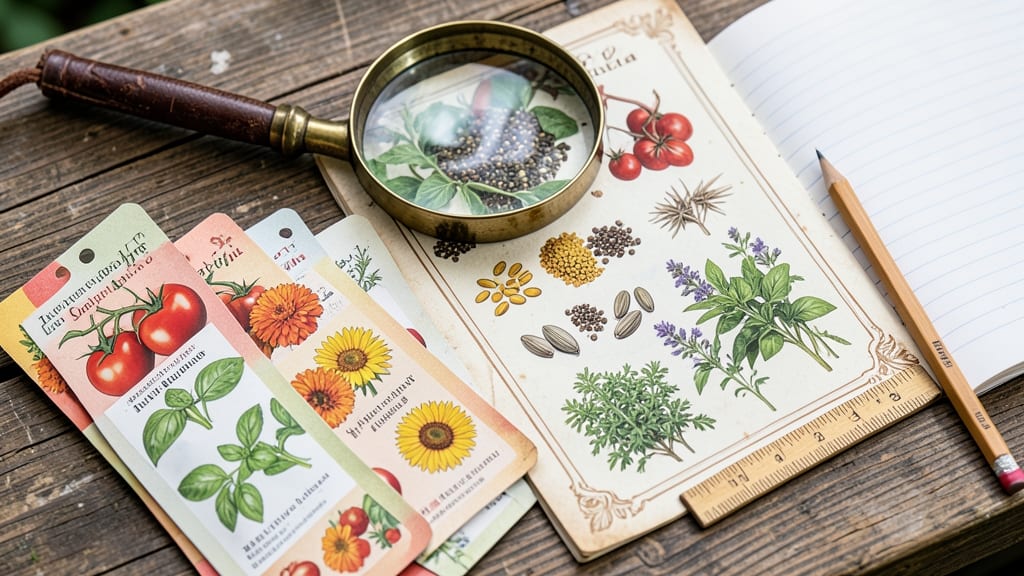
Garden seed catalogs hold the key to a lawn so vibrant it’ll make neighbors do a double-take. 🌱 I’ve spent years poring over them—from the bold promises of heirloom tomatoes to the practical notes about frost dates—and I’ll show you how to turn those pages into a planting plan that actually works.
The secret isn’t just picking pretty seeds; it’s matching them to your climate, sunlight, and even your family’s eating habits.
Start by scanning for your growing zone (check the catalog’s map) and days-to-maturity estimates—these tell you when to plant and what to expect. Baker Creek offers rare varieties but longer wait times, while Burpee delivers fast-shipping hybrids perfect for beginners.
Pro tip: Look for companion planting notes (like basil near tomatoes) to boost yields without extra work. Once you’ve circled your favorites, jot down storage tips—most seeds last 2-3 years if kept cool and dry.
What you’ll end up with is a lawn that’s not just green, but productive—think crisp lettuce in spring, sunflowers towering by summer, and hardy perennials that return year after year.
The catalogs even suggest succession planting (like swapping peas for beans) to keep harvests rolling. You’ll feel like a master gardener before the first seed hits the soil.
This works for any space—balcony pots, raised beds, or sprawling yards—because the real magic is in the planning. We’ll cover how to read those tiny print details, avoid common pitfalls (like overcrowding), and turn your seed order into a garden that thrives.
Let’s get those catalogs open and those dreams growing!
📚 In This Guide
- What you need
- Instructions
- Tips and common mistakes
- Wrapping up and next steps
What you need
- ● Seed catalogs (print or digital): At least 3-5 catalogs from reputable suppliers (e.g., Burpee, Park Seed, or Johnny’s Selected Seeds) to compare varieties and prices.
- ● Notebook or planner: A dedicated journal or digital tool (like Google Keep or Notion) to track planting schedules, deadlines, and seed orders.
- ● Measuring tape or ruler: A 25-foot tape measure for spacing rows and beds accurately.
- ● Garden markers or labels: 100+ biodegradable labels or popsicle sticks to mark seeds and seedlings.
- ● Soil test kit: A basic kit (e.g., Luster Leaf) to analyze pH and nutrient levels before planting.
- ● Gloves and knee pads: A pair of durable gardening gloves and knee pads for comfort during long sessions.
- ● Watering can or hose with nozzle: A 1-gallon can for seedlings or a hose with a gentle spray setting for larger areas.
- ● Seedling trays or pots: 50+ biodegradable or reusable trays for starting seeds indoors.
- ● Grow lights or sunlamps: 1-2 LED grow lights for seedlings if natural light is limited.
- ● Compost or organic fertilizer: A 50-lb bag of compost (e.g., Miracle-Gro) to enrich soil.
- ● Row covers or frost blankets: Lightweight fabric to protect tender seedlings from pests or frost.
- ● Digital calendar or app: Tools like Gardenate or Farmers’ Almanac for planting zone reminders.
Step-by-Step guide to using garden seed catalogs for year-round planning
Turn those colorful catalogs into a practical planting calendar for a thriving garden.
📖 Step 1: Organize Catalogs by Planting Season
Start by sorting seeds into seasonal categories: cool-season crops (like lettuce and peas) and warm-season crops (like tomatoes and peppers). I highlight each category in different colors—green for spring, blue for summer, orange for fall, and yellow for winter interest. This visual system makes planning intuitive and prevents overwhelm.
Check the catalog's recommended planting dates for your specific USDA hardiness zone. Most catalogs list this information clearly, but I always double-check with my local extension office for regional adjustments. Mark these dates on your calendar right away—this keeps your planting timeline front and center.
☀️ Step 2: Map Sunlight Requirements to Garden Layout
Use the catalog's sun exposure recommendations to sketch your garden layout. I divide my space into zones: full sun (6+ hours), partial shade (3-6 hours), and full shade (<3 hours). Each seed packet specifies these needs, so I color-code my sketch accordingly—yellow for sun-lovers, green for partial shade, and blue for shade-tolerant plants.
This step prevents common mistakes like planting sun-hungry tomatoes in shady corners. I also note mature plant sizes to ensure proper spacing. For example, sunflowers need 2-3 feet of space, while radishes can grow happily 2 inches apart. Sketching this out saves me from overcrowding headaches later.
📅 Step 3: Create a Month-by-Month Planting Schedule
Flip through each catalog and extract the ideal planting windows for every variety. I create a spreadsheet with columns for month, seed type, variety name, and days to maturity. This helps me visualize succession planting—like planting lettuce every 2-3 weeks for a continuous harvest.
Don't forget to account for your last frost date (find it here: USDA Plant Hardiness Zone Map). I mark this date in red on my calendar and plan cool-season crops to go in 4-6 weeks before it, while warm-season crops wait until 2 weeks after. This timing ensures your plants thrive in their preferred temperatures.
🛒 Step 4: Order Seeds Strategically to Avoid Waste
Compare catalogs to find the best prices and varieties for your climate. I prioritize ordering seeds for my top 3-4 crops first, then fill in with specialty or heirloom varieties. Most catalogs offer quantity discounts, so I calculate how many packets I need based on my garden's size and my family's eating habits.
Pay attention to seed storage requirements—some need refrigeration, while others thrive at room temperature. I store all seeds in airtight containers with silica gel packets to maintain freshness. Label each container with the variety name and purchase date to keep track of viability (most seeds last 1-5 years, depending on the type).
🌱 Step 5: Plan for Year-Round Interest and Soil Health
Use the catalogs to select plants that provide continuous color, texture, or harvests. I mix in fast-growing crops like radishes or arugula between slower growers like carrots or broccoli. This keeps my garden productive and visually appealing all season long.
Don't overlook cover crops like clover or winter rye—they improve soil health during off-seasons. I note these in my schedule and rotate them annually to prevent nutrient depletion. Catalogs often include cover crop options, so I highlight them in my planning phase for easy reference.
Tips & tricks for mastering your garden seed catalogs
Here's how to turn those seed catalogs into a foolproof garden plan that actually works all year.
Seasonal Color Coding: Take your color-coding system from Step 1 and apply it to your actual garden space. Use painter's tape or colored string to mark garden beds by season—this visual guide helps you quickly identify where each crop belongs. I also keep a small notebook by my garden gate with a color key so I can reference it while planting. This prevents the common mistake of mixing sun-loving tomatoes with shade-tolerant lettuce.
Sunlight Mapping Shortcut: When sketching your garden layout in Step 2, use a simple smartphone app like Sun Surveyor to track sunlight patterns in your space. This reveals microclimates you might miss—like that sunny spot near your fence or the shady corner under your tree. I've found these apps save me from trial-and-error planting that can waste seeds and space. Remember those 3-6 hours of partial shade? This tool helps you map those exact zones.
Planting Schedule Pro Tip: For the month-by-month schedule in Step 3, I create a digital calendar with color-coded events for each planting window. Set reminders for your 4-6 weeks before last frost cool-season crops and 2 weeks after last frost warm-season varieties. Add notes about succession planting—like my "Lettuce Every 2-3 Weeks" series—to keep harvests coming. This digital version syncs with my phone so I never miss a planting opportunity.
Seed Storage Hack: When storing seeds from Step 4, I add a small packet of rice with each container to absorb moisture. This extra precaution extends viability beyond the standard 1-5 years. I also photograph each seed packet before storing it—this visual reference helps me identify varieties when I'm ready to plant, especially for those heirloom seeds that might look similar.
Pro Tips for Garden Seed Catalogs
- Here's how to turn those seed catalogs into a foolproof garden plan that actually works all year.
- Seasonal Color Coding: Take your color-coding system from Step 1 and apply it to your actual garden space.
- Sunlight Mapping Shortcut: When sketching your garden layout in Step 2, use a simple smartphone app like Sun Surveyor to track sunlight patterns in your space.
Frequently asked questions
Got questions about garden seed catalogs? You’re not alone! Here are some of the most common queries—plus simple answers to help you plan like a pro.
When is the best time to order seeds from a catalog?
Most catalogs ship seeds year-round, but timing depends on your growing zone and crop. For cool-season veggies (like lettuce or spinach), order now (early spring or fall) to start indoors. Warm-season plants (tomatoes, peppers) should arrive 4-6 weeks before your last frost date. Pro tip: Check the catalog’s estimated shipping times—some seeds need a head start!
Are seed catalogs more expensive than buying seeds locally?
Not always! Catalogs often offer bulk discounts, heirloom varieties, and rare seeds you won’t find at big-box stores. Local nurseries may have cheaper staples (like marigolds or sunflowers), but catalogs win for specialty or organic seeds. Compare prices per seed packet—sometimes the savings add up!
How do I know if a seed catalog’s growing zone matches mine?
Most reputable catalogs list USDA Hardiness Zones for each plant. Match yours (find it here) to the catalog’s recommendations. If unsure, ask the company for guidance—they’re happy to help! For container gardening or microclimates, zones can shift slightly, so observe your space too.
What if I order seeds and they don’t grow well?
First, check the packaging for germination instructions—some seeds need scarification or stratification. If seeds sprout but plants fail, issues like poor soil, pests, or overwatering might be to blame. Many catalogs offer replacements or refunds if seeds arrive damaged or expired (always check return policies!).
Can I use seed catalogs for lawn seeds, or just flowers/veggies?
Most catalogs specialize in flowers, herbs, and vegetables, but some (like Johnny’s Selected Seeds) include grass seed mixes for lawns. For lush lawns, pair catalog seeds with local turf suppliers—they often carry region-specific blends. Always test soil pH first!
Wrapping up and next steps
Garden seed catalogs are your secret weapon for year-round greenery—packed with inspiration, expert insights, and the perfect seeds to turn your lawn into a thriving oasis. 🌱 Whether you're a seasoned gardener or just starting, these catalogs simplify planning, save time, and connect you with varieties tailored to your climate and goals.
Now that you’re armed with knowledge, it’s time to flip through those pages, sketch your dream garden, and start sowing!
🌟 Your Next Step:
- Mark your calendar for early-bird seed orders (popular varieties sell out fast!).
- Test a small section of your lawn with a new seed mix—experimentation is half the fun!
- Join gardening communities (online or local) to swap tips and celebrate your progress.