
Lawn
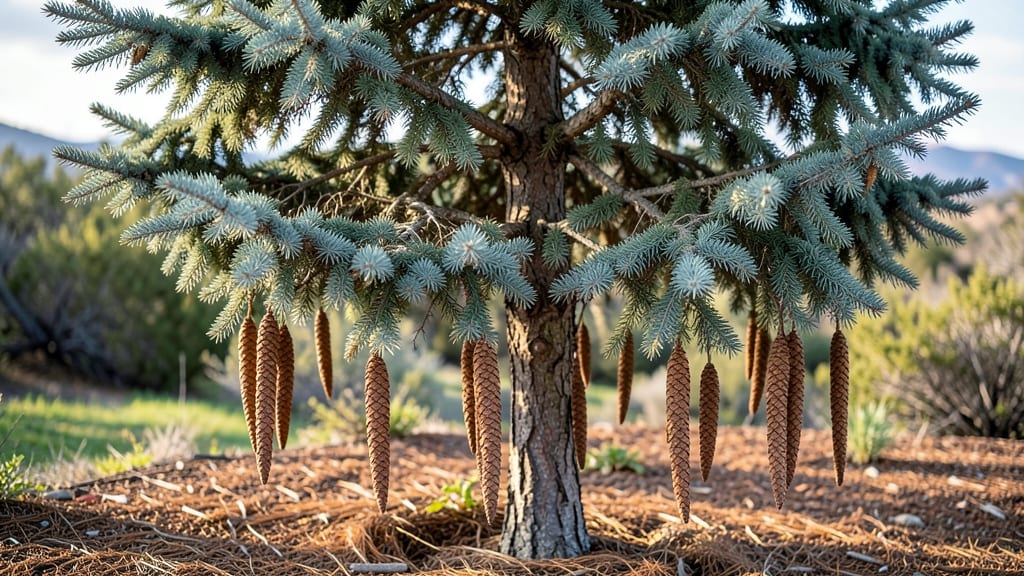
Harvesting cypress seed pods when they’re just starting to twist open is the secret to stress-free propagation. 🌿 I’ve collected hundreds of pods over the years, and the best time is late summer when those woody cones begin their slow, natural release—no prying or forcing required.
The key is patience and knowing exactly when to check your trees. Most cypress varieties like Monterey and Leyland produce viable seeds, though Leyland’s pods tend to open more dramatically in dry conditions. You’ll need a bucket, gloves, and a sunny spot to let those seeds dry out before planting.
The process is simple but requires timing—wait too long, and the seeds scatter on their own. Once you’ve collected them, you’ll watch tiny seedlings emerge within 2-4 weeks if you keep the soil moist and warm.
The first green shoots are shockingly delicate, but with the right care, you’ll have sturdy young cypresses ready for transplanting in a year. Works for both backyard landscapes and container growing. Here’s how to do it without the usual mess or frustration.
📚 In This Guide
- What you need
- Instructions
- Tips and common mistakes
- Wrapping up and next steps
What you need
- ● Cypress seed pods: Mature, dried pods (usually brownish-gray) from Cupressus or Chamaecyparis trees. Aim for 50–100 pods depending on your project size.
- ● Pruning shears or loppers: Sharp, clean tools for harvesting pods from high branches. Choose bypass pruners for precision.
- ● Ladder or extension pole: A sturdy 6–10 ft aluminum ladder (with non-slip feet) or a 10–12 ft telescoping pole for hard-to-reach pods.
- ● Garden gloves: Heavy-duty, nitrile-coated gloves to protect hands from thorns and rough textures.
- ● Large bucket or mesh bag: A 5-gallon bucket or breathable burlap sack to collect pods without crushing them.
- ● Newspaper or cardboard: A flat surface to spread pods for drying (if needed). Use 1–2 sheets per batch.
- ○ Twine or rubber bands: For bundling harvested pods during transport (optional but handy!).
- ● Safety glasses: To shield eyes from debris if pods are brittle or dusty.
- ● Small hand saw: For cutting thicker branches if pods are embedded in wood.
- ● Labeling tags: Waterproof tags to mark pods by harvest date or tree variety.
- ● Drying rack: A screened mesh tray for airflow if pods need extra drying time.
- ● Camera: To capture the natural beauty of your harvest for inspiration!
How to harvest cypress seed pods without the mess
Here's the gentle method I've used for years to collect cypress seeds without losing them to the wind.
🌿 Step 1: Wait for Pods to Fully Mature
Harvest only when pods turn a deep brown and feel dry to the touch—this usually happens in late fall or early winter. Green pods won't open naturally, and you'll waste time trying to force them. I check pods weekly in October, giving them a gentle squeeze between my fingers. When they crumble slightly but don't break open completely, they're ready.
Don't rush this step. Immature seeds won't germinate well, and forcing open green pods destroys viable seeds inside. If you're unsure, cut one open and check for fully formed seeds—if they're still soft or green, wait another week.
🪴 Step 2: Gather Pods by Hand
Pick pods directly from the tree using pruning shears or your hands. I wear gloves to protect against sap and potential skin irritation. Cut stems about 2 inches below the pod to avoid damaging the tree. Place pods in a large paper bag—this prevents seeds from scattering while allowing airflow to keep them dry.
Work on a dry day when humidity is low. Wet pods stick together and may mold before you can process them. If you must work in damp conditions, spread pods on a screen to dry overnight before storing.
☀️ Step 3: Dry Pods Indoors for Natural Opening
Spread pods in a single layer on a clean, dry surface like newspaper or a mesh screen. Place them in a warm, dry spot indoors where they'll receive indirect light. I use a sunny windowsill but avoid direct sunlight, which can overheat the pods. Let them dry for 3-5 days, stirring them daily to ensure even drying.
You'll know they're ready when pods begin to open on their own and seeds rattle inside. If pods remain closed after a week, they need more time. Never force open pods—they'll crumble and release seeds prematurely.
⏰ Step 4: Collect Seeds and Store Properly
Once pods open naturally, gently twist them to release seeds into a bowl. I use a clean, white bowl so I can easily spot any debris or damaged seeds. Remove empty seed casings and any foreign matter by hand. Store seeds in a sealed container with a desiccant packet to prevent moisture buildup.
Label the container with the date and store in a cool, dark place. Cypress seeds remain viable for 1-2 years under these conditions. If you're not ready to plant immediately, refrigerate seeds in a sealed bag with a silica gel packet for longer storage.
🌱 Step 5: Test Germination (Optional)
Before planting, test a few seeds by placing them between damp paper towels in a sealed plastic bag. Keep them in a warm spot and check daily. You should see sprouts within 14-21 days. If germination is slow or poor, your seeds may need stratification—place them in a moist growing medium and refrigerate for 30-60 days before retrying.
This step helps you avoid planting hundreds of seeds only to discover poor viability. I always test at least 10 seeds before committing to a full planting. Adjust your planting plans based on the results—sometimes a bad seed year means waiting another season.
Tips & tricks for perfect cypress seed pod harvesting
Here's what nobody tells you about making this process even easier—and more successful.
Pod Maturity Test: In Step 1, when checking for readiness, look for pods that crumble slightly between your fingers but don't split open completely. This is your perfect window—if they're still firm, they need more time. I've found that pods harvested in late October (after the first frost) consistently yield the best results.
Gloves Are Non-Negotiable: During Step 2, wear thick gardening gloves—not just for protection against sap, but also to prevent skin irritation from cypress resins. I keep a pair of heavy-duty leather gloves specifically for this task, and they've saved me from multiple itchy rashes over the years.
Drying Strategy: For Step 3, if you're short on time, you can speed up drying by placing pods near a gentle heat source (like a space heater on low) while still avoiding direct sunlight. Just stir them every 2 hours to prevent uneven drying. The 3-5 day window is flexible—just watch for that telltale rattle when pods are ready.
Seed Storage Hack: When storing seeds in Step 4, add a small packet of silica gel to your container—it's the secret to keeping seeds viable for the full 1-2 years. I also include a tiny piece of chalk in the container to help absorb any residual moisture that might develop over time.
Pro Tips for Cypress Seed Pods
- Here's what nobody tells you about making this process even easier—and more successful.
- Pod Maturity Test: In Step 1, when checking for readiness, look for pods that crumble slightly between your fingers b...
- Gloves Are Non-Negotiable: During Step 2, wear thick gardening gloves—not just for protection against sap, but also t...
Frequently asked questions
Got questions about harvesting cypress seed pods? You’re not alone! Here are some of the most common concerns—and their straightforward answers—to help you navigate the process like a pro.
1. When is the best time to harvest cypress seed pods?
Harvest cypress seed pods in late fall or early winter (October–December), when they turn tan or brown and begin splitting open naturally. Avoid harvesting too early—the seeds won’t be fully mature. If pods stay green, wait a few more weeks. Pro tip: Morning harvests reduce humidity, speeding up drying time!
2. How long do cypress seed pods take to release seeds naturally?
With patience, cypress seed pods release seeds over 2–4 weeks on their own, especially if left in a dry, sheltered spot. For faster results, soak pods in warm water for 24 hours before drying them in a single layer. Note: Some seeds may still cling stubbornly—gentle rubbing with a towel helps!
3. Can I harvest cypress seed pods from any type of cypress tree?
Not all cypress varieties produce edible or viable seeds. Eastern red cedar (Juniperus virginiana) and Monterey cypress (Cupressus macrocarpa) are the most common for harvesting. Avoid lethal cypress (Chamaecyparis lawsoniana) or ornamental varieties—they may not yield usable seeds. Always confirm the species before harvesting!
4. What should I do if my cypress seed pods won’t open?
If pods stay stubbornly closed, try these fixes:
- Bake them: Place pods on a baking sheet at 180°F (82°C) for 1–2 hours to mimic natural drying.
- Freeze them: Pop pods in the freezer for 24 hours, then thaw—they’ll often crack open.
- Hand-crack them: Use a nutcracker or mallet (wear gloves!) to gently pry them open.
If seeds are still hard to extract, they may not be fully ripe—wait another week and try again.
5. Are there alternatives if I can’t find cypress seed pods?
Yes! If cypress pods are scarce, try these seed-pod alternatives for similar textures in crafts or wildlife feed:
- Pine cones (dried and sanded for a smoother finish).
- Hazelnut shells (lightweight and easy to work with).
- Acorn caps (collect in fall, clean thoroughly).
- Store-bought cedar “berries” (check craft stores for pre-dried options).
Each has unique properties—experiment to find your favorite!
Wrapping up and next steps
Cypress seed pods offer a natural, low-maintenance way to enhance your lawn’s beauty without the hassle of traditional gardening. Their unique twist-release mechanism makes harvesting effortless, while their drought-resistant nature ensures they thrive even in challenging conditions.
Whether you're a seasoned gardener or a beginner, these pods bring a touch of wild elegance to any outdoor space.
Ready to give it a try? Start small—plant a few pods in a sunny spot and watch them transform your lawn into a serene, low-fuss landscape. Happy growing! 🌿✨