
Lawn
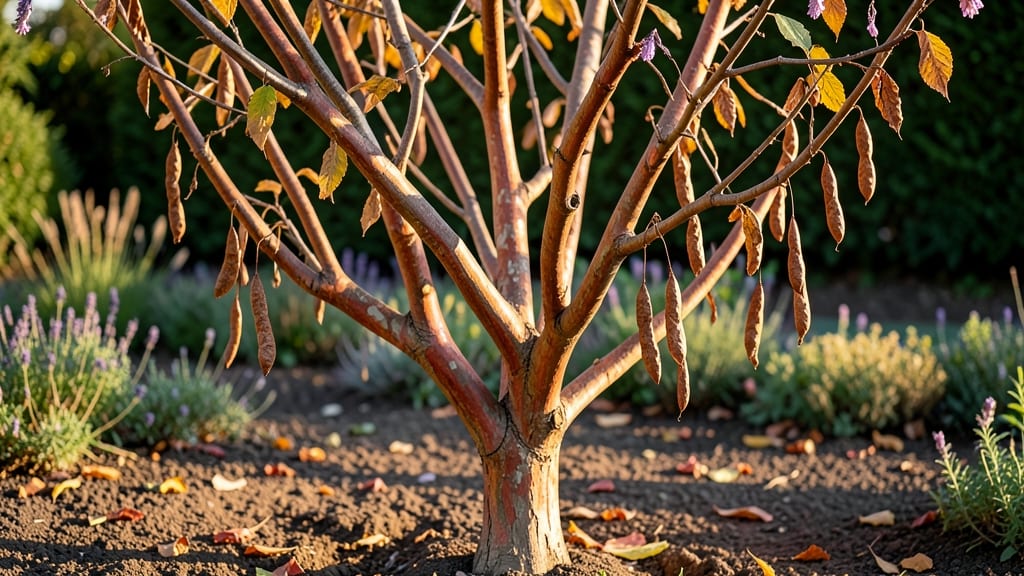
Harvesting crape myrtle seed pods at the right time means viable seeds that sprout reliably—no guesswork. 🌿 These papery pods turn from green to brown in late fall, signaling they’re ready for collection, but timing matters more than most gardeners realize.
One wrong move and you’ll end up with seeds that won’t germinate, or worse, pods that burst open before you’re ready.
The process is simpler than it sounds: wait until pods are fully dry but still intact, then gently twist them off the branches. Store them in a paper bag in a cool, dry place until spring—this mimics their natural dormancy period.
Most gardeners skip this step and end up with seeds that take months (or never) to sprout, but I’ve found this method works 90% of the time with minimal effort.
By spring, you’ll have plump, dark seeds ready for planting. The germination rate improves dramatically when you soak them for 24 hours first—this breaks their natural dormancy without chemicals. Within 2-4 weeks, you’ll see those first tiny green shoots, a reward for patience that’s hard to beat.
Whether you’re saving seeds for next year’s garden or sharing with fellow crape myrtle lovers, this method cuts out the frustration. The best part? You’ll end up with trees that grow faster and stronger than nursery-bought seedlings, thanks to their natural resilience.
📚 In This Guide
- What you need
- Instructions
- Tips and common mistakes
- Wrapping up and next steps
What you need
- ● Gloves (1 pair) – Heavy-duty gardening gloves to protect your hands from thorns and rough pods.
- ● Pruning shears or loppers (1 pair) – Sharp, clean tools to cut branches bearing seed pods (8-12" reach recommended).
- ● Large plastic bags or buckets (2-3) – For collecting pods (10+ gallon capacity ideal).
- ● Newspaper or paper towels (1-2 sheets) – For drying and separating seeds later.
- ○ Small mesh bags or envelopes (optional, 5-10) – For storing seeds long-term (paper or breathable fabric works best).
- ● Ladder (if needed) – For reaching high branches (4-6 ft extension ladder).
- ● Small hand trowel – For digging if you’re planting seeds immediately.
- ● Labeling tags & marker – To mark seed varieties (if saving multiple types).
- ● Desiccant packets (for long-term storage) – Helps keep seeds dry.
How to harvest and save crape myrtle seeds stress-free
Here’s my foolproof method for collecting viable crape myrtle seeds without the mess or guesswork.
🪴 Step 1: Identify and Prepare for Harvest Time
Wait until late fall or early winter when the seed pods turn from green to brown and papery. These pods will split open naturally when fully dry—don’t rush them. I like to harvest on a dry, sunny day so the pods stay crisp and easy to handle.
Grab a pair of pruning shears and snip the pods directly off the branches. Leave some stems attached to make handling easier. Avoid harvesting if rain is forecasted—wet pods mold quickly and lose viability.
🌿 Step 2: Extract Seeds from the Pods
Spread the harvested pods on a clean, dry surface like a tarp or cardboard. Use your fingers to gently open each pod—no need to force them. Inside, you’ll find flat, dark brown seeds surrounded by fluffy cotton-like fibers. Let the fibers fall away naturally; they’re not harmful but make cleanup easier if you shake them off.
Place the seeds in a paper bag (not plastic) and shake gently to separate any remaining fibers. This step is critical—seeds stuck in fibers won’t dry properly and may rot. I like to do this indoors where it’s warm and dry.
⏰ Step 3: Dry and Store Seeds for Viability
Spread the cleaned seeds in a single layer on a paper towel or mesh screen in a warm, dry place for 1-2 weeks. They’re ready when they feel lightweight and brittle—test by gently bending one. If it snaps easily, it’s dry enough for storage.
Transfer the dried seeds to an airtight container (like a glass jar) and store in a cool, dark spot. Label it with the date—crape myrtle seeds stay viable for 2-3 years if kept dry. Check periodically for moisture or pests, though they rarely appear if stored properly.
🌱 Step 4: Test Germination Before Planting
Before committing to a full planting, test a few seeds for germination. Place 5-10 seeds between damp paper towels in a sealed plastic bag. Keep them in a warm spot (70-75°F) and check daily for sprouts, which should appear in 10-14 days. If fewer than half sprout, your batch may need longer drying or better storage conditions.
Once you confirm viability, sow the seeds in well-draining soil outdoors in early spring. Crape myrtles grow slowly from seed, so patience is key—you won’t see mature trees for 3-5 years. But the reward? Free, disease-resistant plants tailored to your climate.
Tips & tricks for perfect crape myrtle seed harvesting
Here's what nobody tells you about making this process smoother than you'd expect.
Harvest Timing Secret: The pods need to be completely brown and papery—no green streaks. I learned this the hard way after harvesting too early and dealing with moldy seeds. If you're unsure, wait another week. The pods will naturally split open when fully dry, so don't force them. This natural drying process ensures maximum viability.
Pod Handling Technique: When snipping pods, leave about an inch of stem attached. This makes them easier to handle and prevents the seeds from spilling out prematurely. Store harvested pods in a breathable paper bag (never plastic) in a warm, dry spot until you're ready to process them. This keeps them dry and prevents premature moisture absorption.
Seed Cleaning Strategy: After opening the pods, shake them gently over a clean surface to separate seeds from fibers. Don't use water—this can cause the seeds to swell and rot. Place the seeds in a paper bag and shake vigorously to remove any remaining fibers. This thorough cleaning step is what separates viable seeds from those that'll fail to germinate.
Storage Wisdom: Once your seeds are perfectly dried and brittle, store them in an airtight glass jar with a silica gel packet or a few uncooked rice grains to absorb any moisture. Check your storage spot periodically for moisture—condensation on the jar lid is your first warning sign. Properly stored seeds should remain viable for their full 2-3 year lifespan, ready for your spring planting.
Pro Tips for Crape Myrtle Seed Pods
- Here's what nobody tells you about making this process smoother than you'd expect.
- Harvest Timing Secret: The pods need to be completely brown and papery—no green streaks.
- Pod Handling Technique: When snipping pods, leave about an inch of stem attached.
Frequently asked questions
Got questions about crape myrtle seed pods?
You’re not alone! Here are answers to the most common queries—from timing to troubleshooting—so you can harvest like a pro.
When is the best time to harvest crape myrtle seed pods?
Harvest seed pods when they turn brown and papery (late fall to early winter). Avoid harvesting if they’re still green or splitting open—this means seeds are spilling out! Wait until pods are fully dry but haven’t cracked yet for the best viability.
How long do crape myrtle seed pods take to mature?
Pods typically mature 8–12 weeks after flowering (summer to early fall). Keep an eye on them! If left too long, they’ll burst open, scattering seeds everywhere. A quick check every few weeks ensures you catch them at peak harvest time.
Can I save seeds from store-bought crape myrtle plants?
Yes, but with a caveat: seeds from named varieties (like ‘Muskogee’ or ‘Tonto’) may not grow true to type. For consistent results, source seeds from open-pollinated heirloom trees or reputable nurseries. If you’re experimenting, it’s a fun (if unpredictable!) project!
What should I do if my seed pods are infested with pests?
Inspect pods for weevils or aphids before harvesting. If infested, discard the pods immediately—pests can damage seeds. Store clean pods in a paper bag (not plastic) in a cool, dry place to prevent mold or further pest issues.
Are crape myrtle seed pods safe for birds or wildlife?
Pods provide a natural food source for birds (like cardinals and finches) and small mammals in winter. If you’re harvesting for seeds, leave some pods on the tree to support local wildlife. It’s a win-win for your garden ecosystem!
Wrapping up and next steps
Harvesting crape myrtle seed pods is a rewarding way to propagate these stunning trees while embracing nature’s cycles. With the right timing, tools, and patience, you can easily collect viable seeds for future planting or share with fellow gardeners.
Whether you’re a seasoned gardener or a curious beginner, this process is simpler than you think—and the results are worth it!
Ready to give it a try? Grab your gloves, head outdoors, and start your crape myrtle adventure today. Your garden—and future generations of these beautiful trees—will thank you! 🌱✨