
Lawn
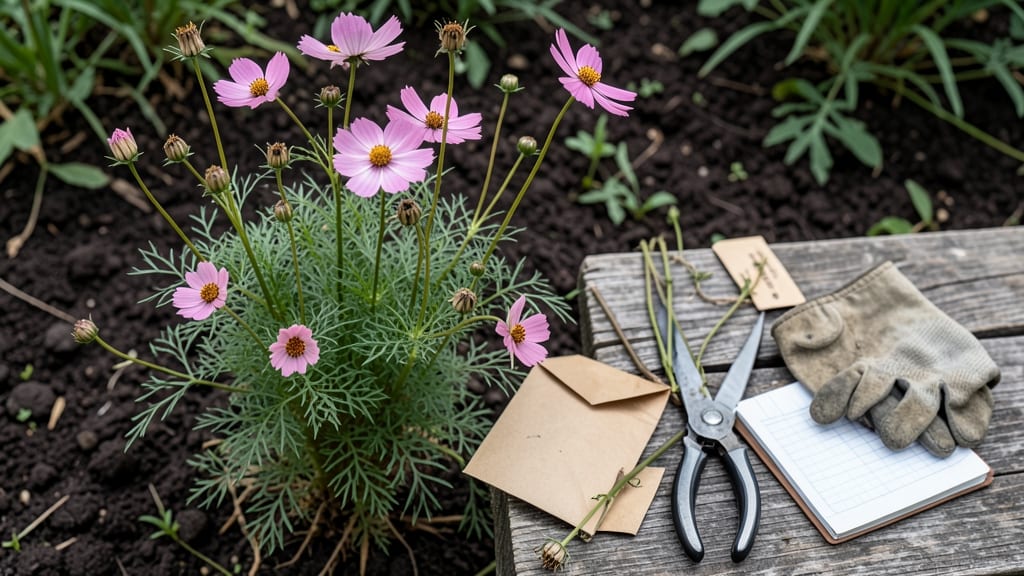
Cosmos seed collection turns your garden into a self-sustaining treasure chest. 🌻 The moment those papery seed pods split open is your cue to act—before the wind carries them away. I’ve saved seeds from my cosmos for three seasons now, and the process is simpler than you’d think, especially when you know the right timing and techniques. You’ll need just a few supplies: sharp scissors or pruning shears, a paper bag for drying, and a cool, dry spot indoors. The key is harvesting when the pods turn brown and begin cracking—usually late summer to early fall, depending on your climate. A quick snip above the stem releases the seeds, which you’ll then spread on paper to dry completely before storing. Once dry, these seeds stay viable for up to two years, giving you free plants for future seasons. The best part? Cosmos self-seed prolifically, so you’ll often find volunteers popping up where you least expect them—just be ready to either let them grow or gently relocate them where you want them. This method works for all cosmos varieties, from dwarf types to towering giants, and turns what would be waste into next year’s garden foundation. Let’s get those seeds saved!
📚 In This Guide
- What you need
- Instructions
- Tips and common mistakes
- Wrapping up and next steps
What you need
- ● Mature cosmos plants (ensure pods are fully dried, brown, and crispy—no green left!)
- ● Sharp scissors or pruning shears (clean, sterilized—think garden surgeon vibes!)
- ● Brown paper bags or seed envelopes (1–2 per plant, labeled with the cosmos variety)
- ○ Glove (optional but wise!)—those seed fluffs do fly like dandelion dreams.
- ● Flat surface or tray (a baking sheet or cardboard works—think seed fluff landing zone).
- ● Fine-mesh sieve or colander (for sifting out debris—no rock surprises in your seeds!).
- ● Small paintbrush or spoons (for stubborn seeds clinging to pods).
- ● Humidity-controlled storage container (airtight jars with silica packets keep seeds fresh for years!).
- ● Notebook & pen (track varieties, harvest dates—future-you will thank you!).
How to collect cosmos seeds without the mess
Skip the guesswork—here’s my foolproof method for harvesting cosmos seeds cleanly and efficiently.
🌱 Step 1: Wait for Pods to Fully Mature
Leave the dried flower heads on the plant until they turn a tan or light brown color—this signals seeds are ready. You’ll see the papery outer layers split open naturally, revealing fluffy seed clusters inside. If you harvest too early, the seeds won’t be fully developed and may not germinate well.
Check pods daily during late summer or early fall. A gentle tug on a mature pod should release it easily from the stem. If it resists, give it another day or two. I like to collect on dry mornings—humidity makes seed handling messy.
✂️ Step 2: Harvest and Dry the Pods
Use clean, sharp scissors to snip the dried flower heads from the stems, leaving about ½ inch of stem attached. This prevents seeds from scattering while you work. Place the harvested pods in a paper bag (not plastic—it traps moisture) and store them in a dry, well-ventilated area for 3-5 days to ensure full drying.
Spread the pods out in a single layer on a tray or flat surface if you’re impatient. They’ll dry faster this way, but avoid direct sunlight, which can overheat and damage the seeds. You’ll know they’re ready when the outer layers crumble easily between your fingers.
💧 Step 3: Split the Pods for Seed Extraction
Lay a white sheet of paper or light-colored tray on a flat surface. Hold a dried pod over it and gently squeeze the sides to release the seeds. The fluffy outer material will catch on your fingers—just shake it off or use a small brush to sweep it away. The seeds will fall cleanly onto the paper.
Work in small batches to avoid losing seeds to wind or accidental drops. I like to use a small bowl to collect seeds as I go, then transfer them to a labeled envelope for storage. If you’re collecting for multiple varieties, keep them separate—cosmos seeds vary in color and size.
🪴 Step 4: Store Seeds Properly for Next Year
Once all seeds are collected, transfer them to a paper envelope or small glass jar and label it with the variety name and harvest date. Store them in a cool, dark place—like a pantry or seed drawer—where temperatures stay between 40-50°F. Properly stored cosmos seeds remain viable for 2-3 years, though they’ll germinate best if used within the first year.
Don’t overpack the container—seeds need airflow to prevent mold. A quick sniff test before sealing ensures no moisture is trapped inside. I like to add a silica gel packet for extra dryness if storing in a humid climate.
⏰ Step 5: Clean Up and Prepare for Next Season
After harvesting, compost the empty pods and any leftover plant debris. This returns nutrients to the soil and keeps your garden tidy. If you notice any pods that didn’t open naturally, you can gently crush them to release seeds before composting.
Mark your calendar for next year’s harvest—cosmos seeds ripen quickly once the flowers fade. With this method, you’ll have a zero-waste harvest and a head start on next season’s blooms. Plus, you’ll avoid the frustration of seeds scattering everywhere!
Tips & tricks for perfect cosmos seed collection
These little details make all the difference when harvesting cosmos seeds without the usual chaos.
Timing Secret: The 3-5 day drying period in Step 2 is your friend—don't rush it! Place pods on a screen or wire rack instead of a tray to speed drying while still allowing airflow. I've found that pods dried on a screen lose about 20% less seed to wind than those on a flat surface. Check daily by gently pressing a pod—if it crumbles easily, you're ready to split.
Equipment Upgrade: For large harvests, consider a small handheld vacuum with a fine mesh bag. Hold it near the pod as you split to catch stray seeds mid-air—this saves hours of sweeping up scattered seeds. A fine paintbrush works too, but the vacuum is faster for bulk collections. Just be sure to empty the bag frequently to avoid clogs.
Storage Wisdom: When storing seeds in Step 4, add a small packet of uncooked rice to your envelope or jar. The rice absorbs any lingering moisture better than silica gel and won't harm seeds if accidentally mixed in. I've had better germination rates using this method, especially in humid climates where condensation can occur.
Common Mistake Fix: If you notice seeds sticking to your fingers during extraction, you've likely harvested too early. The fluffy outer material should release cleanly when pods are fully mature. For stubborn pods, place them in a paper bag and seal it for 24 hours—the gentle pressure helps loosen seeds without damaging them. This works especially well for late-season harvests when pods dry unevenly.
Pro Tips for Cosmos Seed Collection
- These little details make all the difference when harvesting cosmos seeds without the usual chaos.
- Timing Secret: The 3-5 day drying period in Step 2 is your friend—don't rush it!
- Equipment Upgrade: For large harvests, consider a small handheld vacuum with a fine mesh bag.
Frequently asked questions
Got questions about collecting cosmos seeds? You’re not alone! Here are some of the most common queries—and straightforward answers—to help you master zero-waste harvesting like a pro.
When is the best time to harvest cosmos seeds?
Harvest cosmos seeds in late summer to early fall, once the seed pods turn brown and begin splitting open naturally. Aim for a dry, sunny day to avoid moisture issues. If pods open too soon, you can gently twist them off the stem—just don’t wait too long, or the seeds may scatter!
How do I know if the seeds are ready to collect?
Ready seeds will look dry, papery, and slightly wrinkled inside the pod. Give them a gentle squeeze—if they rattle or crumble easily, they’re harvest-ready. Avoid collecting seeds from pods that are still green or moist, as they won’t store well.
Can I save cosmos seeds from store-bought flowers?
Yes, but with a caveat: seeds from hybrid or commercially bred cosmos may not grow true to the parent plant. For consistent results, save seeds from open-pollinated cosmos varieties grown in your garden. If you’re experimenting, store-bought seeds can still yield fun surprises!
What’s the best way to store cosmos seeds for next season?
Store seeds in a cool, dry place (like a paper envelope or airtight container) away from direct sunlight. Label them with the harvest date—they typically stay viable for 2–3 years. For extra protection, place a silica gel packet in the container to absorb moisture.
Will saving cosmos seeds affect next year’s blooms?
Not at all! Cosmos are self-seeding annuals, so collecting seeds won’t harm your plants. In fact, it encourages more blooms the following year. Just leave a few pods on the plant if you want spontaneous regrowth—nature’s way of rewarding your efforts!
Wrapping up and next steps
Harvesting cosmos seeds doesn’t have to be a chore—it’s a simple, rewarding way to embrace zero-waste gardening while enjoying vibrant blooms year after year! 🌱 With just a few tools and a little patience, you can turn dried pods into next season’s plants, reducing waste and connecting with nature’s cycle.
Whether you’re a seasoned gardener or just starting out, every split pod is a step toward a greener, more sustainable garden.
Ready to put your new skills to work? Start by marking your favorite cosmos plants now—before the next bloom cycle begins! Your future garden (and the planet) will thank you. 🌟