
Lawn
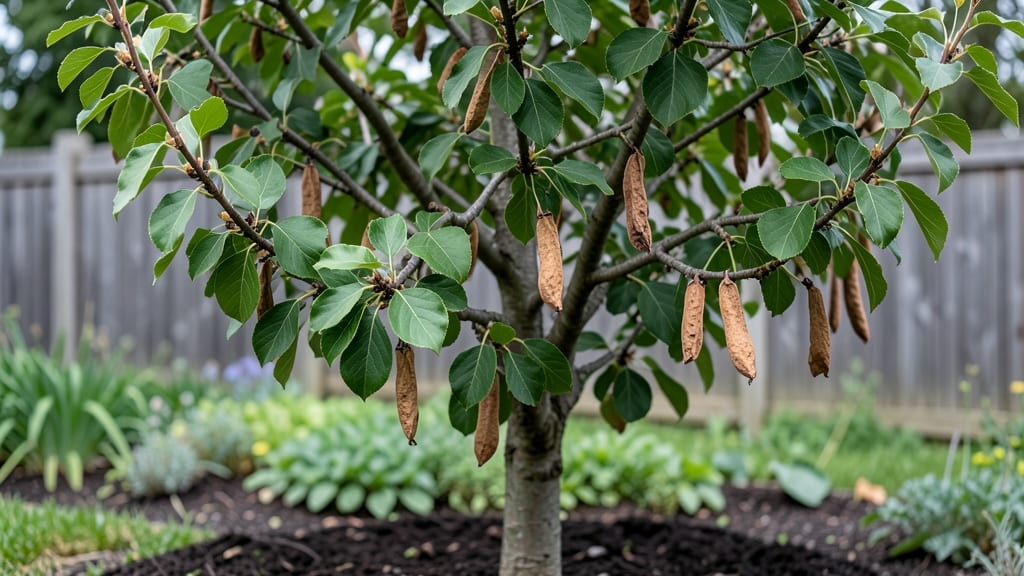
Those Bradford pear tree seed pods are nature’s way of giving you free trees—if you know how to handle them right. 🌱 I’ve collected hundreds over the years, and the secret to viable seeds lies in when (and how) you harvest them before they twist shut for good.
Timing is everything: gather pods when they’re still plump and green, usually in late summer, before they turn brown and hard. Split them open to extract the flat, brown seeds inside—these are your future trees. The trickiest part? Keeping them moist and cool until planting season arrives.
With the right soil mix (sandy loam with good drainage) and a patient wait, those seeds will sprout into sturdy seedlings by spring. You’ll end up with fast-growing young trees that can outpace nursery-bought saplings—though watch for birds and squirrels that love these seeds too.
This method works year-round if you store seeds properly, but spring planting gives them the best head start. The payoff? A free, native tree for your landscape—no digging, no waiting for delivery, just nature’s own nursery system.
📚 In This Guide
- What you need
- Instructions
- Tips and common mistakes
- Wrapping up and next steps
What you need
- ● Mature Bradford pear tree seed pods: Collect at least 10-15 pods (more if you plan to save seeds long-term). Harvest when pods turn brown and papery (late fall/winter).
- ● Sharp pruning shears or small pruning saw: For safely cutting pods from branches without damaging the tree.
- ● Large paper grocery bags or breathable mesh bags: 2-3 bags to collect pods without crushing them.
- ● Newspaper or cardboard: For lining a drying area (about 1-2 sheets).
- ○ Small fan or dehumidifier (optional but helpful): To speed up drying in humid climates.
- ● Kitchen colander or fine-mesh strainer: For rinsing pods if dirt is present.
- ● Paper towels or clean cloth: To gently pat pods dry.
- ● Small wooden spoon or butter knife: For carefully prying open dried pods to extract seeds.
- ● Air-tight glass jars or seed envelopes: 2-4 jars (quart-sized) or 5-10 envelopes for storage.
- ● Permanent marker or labels: To mark jars/envelopes with the harvest date and tree type.
- ● Dry, well-ventilated space: A sunny room or garage with a temperature between 60-75°F for drying pods.
- ● Patience: Seed pods take 2-4 weeks to fully dry indoors.
- ○ Gloves (optional): If you’re sensitive to sap or have allergies.
Step-by-step guide for harvesting Bradford pear seed pods
Here's how to collect and store seed pods from your Bradford pear tree—without the messy twists.
🌿 Step 1: Identify and Locate Mature Seed Pods
Bradford pear seed pods typically ripen in late fall to early winter, turning from green to a papery brown. Look for pods that feel dry and papery to the touch—these are ready for harvesting. I always check my tree after the first hard frost when the pods have fully matured and opened slightly.
Use a small pruning shear or clean scissors to snip the pods directly from the tree. Avoid tugging or twisting, which can damage the branches or leave behind debris. Harvest pods when they're dry but before they split open completely—this ensures the seeds inside remain viable for planting.
🪴 Step 2: Clean and Prepare the Seed Pods
Once you’ve collected the pods, spread them out on a clean, dry surface like a newspaper or cardboard. Let them air-dry for 24-48 hours in a well-ventilated area. This step is crucial—it prevents mold and ensures the seeds inside stay dry and viable.
After drying, gently open each pod by hand and remove the seeds. You’ll find 1-3 seeds per pod, usually encased in a thin, papery membrane. I like to place the seeds in a paper envelope or small mesh bag to keep them organized and protected from pests.
⏰ Step 3: Store the Seeds for Long-Term Viability
For year-round saving, store the seeds in a cool, dry place like a sealed container or airtight bag with a desiccant packet. I keep mine in the refrigerator to maintain freshness—this mimics natural winter conditions and helps preserve viability for up to 2 years. Label the container with the date and variety if possible.
Before planting, I recommend giving the seeds a cold stratification treatment. Place them in a sealed bag with slightly damp sand or peat moss, then refrigerate for 4-6 weeks. This mimics winter conditions and encourages better germination rates once you’re ready to plant.
🌱 Step 4: Plant the Seeds (Optional)
If you’re ready to grow your own Bradford pear tree, sow the seeds in late winter or early spring. Plant them ½ inch deep in well-draining soil and keep the area moist but not soggy. Germination can take 4-8 weeks, so be patient—you’ll know it’s working when the first true leaves appear.
Once seedlings emerge, thin them to the strongest 2-3 plants per pot or garden spot. Bradford pears grow quickly, so give them plenty of space—15-20 feet apart for mature trees. Keep the soil consistently moist and provide full sun for the best growth.
Tips & tricks for perfect Bradford pear seed pod harvesting
Here's what I learned after years of trial and error with my own Bradford pear tree—these tricks make seed saving foolproof.
Timing is Everything: Harvest those seed pods right after the first hard frost when they've turned papery brown but haven't split open completely. I've ruined batches by harvesting too early (green pods) or too late (split pods with lost seeds). The 24-48 hour drying window after harvest is your best friend—don't rush this step! If you're in doubt, check a pod by gently squeezing it—it should feel dry but still intact.
Harvesting Technique: Use clean, sharp pruning shears instead of pulling pods by hand. I learned this the hard way when I yanked a pod and tore a branch—now I make one clean cut right at the stem. This also prevents debris from falling into your collection. For larger harvests, consider wearing gloves to protect your hands from any remaining sap or rough pod edges.
Storage Wisdom: When storing seeds in the refrigerator, I double up on protection by placing them in a small zip-top bag with a desiccant packet, then putting that inside a labeled container. This creates a moisture barrier that keeps seeds viable for the full 2 years. For even better organization, I use separate envelopes for each year's harvest—this helps track germination rates over time.
Pro Tips for Bradford Pear Tree Seed Pods
- Here's what I learned after years of trial and error with my own Bradford pear tree—these tricks make seed saving foolproof.
- Timing is Everything: Harvest those seed pods right after the first hard frost when they've turned papery brown but haven't split open completely.
- Harvesting Technique: Use clean, sharp pruning shears instead of pulling pods by hand.
Frequently asked questions
about Bradford pear tree seed pods—here’s what you need to know before harvesting!When is the best time to harvest Bradford pear seed pods?
Harvest pods when they’re fully ripe but still firm—usually late fall (October–November). Overripe pods split open, releasing seeds prematurely. Aim for a golden-brown hue and slight softness (but not mushy). Store them in a cool, dry place until ready to process.
Can I save Bradford pear seed pods for next year?
Yes! Pods stay viable for 1–2 years if stored properly in a paper bag or mesh sack in a cool (35–40°F), dry place. Avoid plastic—it traps moisture and causes mold. Label your stash with the harvest year to track freshness.
What should I do if my pods are infested with pests?
Inspect pods for webbing, holes, or larvae (common with codling moths or fruit flies). Discard heavily infested pods immediately. For light infestations, freeze pods for 48 hours or soak in a 10% vinegar solution for 10 minutes before drying. Always wear gloves!
Are there alternatives to Bradford pears for seed pods?
If Bradford pears aren’t available, try Callery pear (Pyrus calleryana) or European pear (Pyrus communis) varieties. Avoid hybrid Bradfords (like ‘Aristocrat’)—they’re sterile and won’t produce viable seeds. Check local nurseries for seed-bearing options!
Why are my harvested seeds not germinating?
Seeds need stratification (cold treatment) to break dormancy. Mix seeds with moist sand in a sealed container, then refrigerate for 60–90 days. Plant in well-draining soil after stratification. Poor germination can also stem from old seeds (over 2 years) or fungal contamination—sterilize tools with rubbing alcohol.
Wrapping up and next steps
Harvesting Bradford pear tree seed pods is a rewarding way to save viable seeds year-round—without the messy twists!
Whether you're a gardener eager to propagate new trees or simply curious about nature’s cycles, these simple steps make the process effortless and fun. 🌱 With the right tools and timing, you’ll have a stash of seeds ready for planting whenever inspiration strikes.
Ready to take the next step? Grab your gloves and start harvesting! Share your success with fellow gardeners or experiment with different storage methods—your green thumb will thank you.