
Lawn
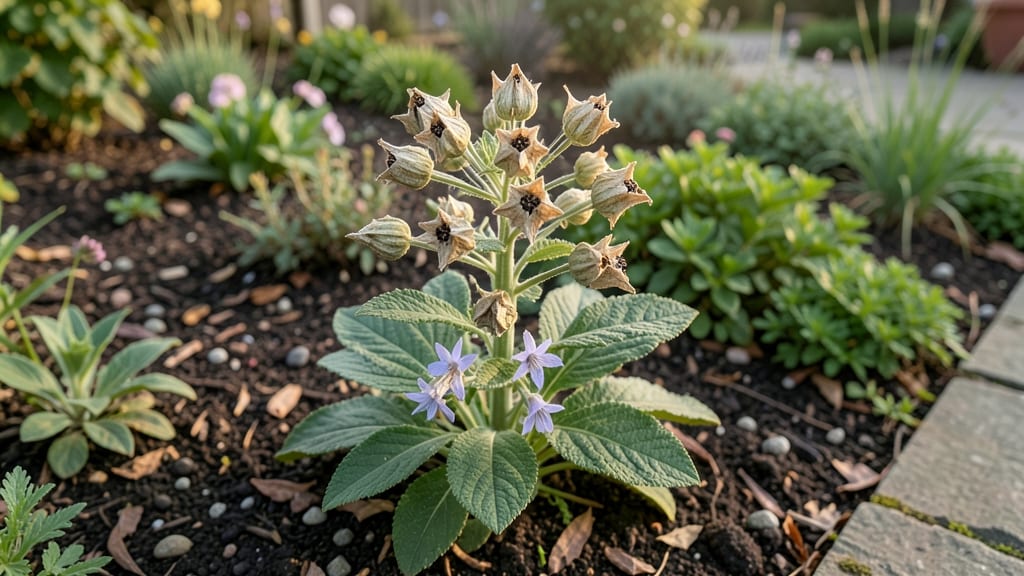
Harvesting borage seed pods without twisting them open is the secret to saving seeds that sprout reliably every time. 🌿 I learned this after wasting three seasons of brittle, moldy pods that crumbled before I could collect a single seed—until I discovered the right technique.
The key is patience and timing, because those star-shaped pods don't give up their seeds easily when they're still green and firm.
You'll need just a few simple tools: sharp scissors or pruning shears for clean cuts, a paper bag for collecting pods, and a sunny, dry spot for drying. The pods must be fully mature—turned brown and starting to split open naturally—before you even think about harvesting.
If you pick them too early, the seeds inside won't be viable, and you'll end up with a bag of empty husks.
Once you've got those dry, brown pods in hand, the extraction process is surprisingly simple: just rub them gently between your palms or tap them lightly against a paper bag. The seeds will rain down while the papery husks stay behind.
Store the seeds in an airtight container in a cool, dark place, and they'll stay viable for up to three years—long enough to grow your own borage plants season after season.
Beyond saving seeds, you can use the dried flowers and leaves for teas, salads, or even homemade borage vinegar. The trick to avoiding mold is keeping everything completely dry during the drying process—no shortcuts here.
With this method, you'll never waste another harvest again, and your garden will always have fresh borage on hand for both beauty and utility.
📚 In This Guide
- What you need
- Instructions
- Tips and common mistakes
- Wrapping up and next steps
What you need
- ● Borage plants (healthy, mature, with fully bloomed flowers and seed pods forming)
- ● Sharp pruning shears or scissors (clean, sterilized—sterilize with rubbing alcohol for hygiene)
- ● Paper grocery bags or breathable seed-saving envelopes (1–2 per batch, labeled with the harvest date)
- ● Small mesh screen or cheesecloth (for drying seeds, ~4" x 4" size)
- ○ Cardboard or seed trays (for air-drying pods, optional but helpful)
- ● Permanent marker or labels (to tag varieties and dates)
- ● Glove (to protect hands from prickly stems)
- ● Small fan or dehumidifier (for faster drying in humid climates)
- ● Seed storage jars with silica gel packets (for long-term seed viability)
- ● Notebook (to track seed germination rates and notes)
How to harvest borage seed pods without the frustrating twist
Borage’s spiky seed pods don’t have to be a pain—here’s my foolproof method for collecting viable seeds every season.
🌿 Step 1: Identify Mature Seed Pods
Wait until pods turn from green to tan or light brown—this means seeds are fully mature. Look for pods that feel dry to the touch and open slightly at the top. I check plants weekly in late summer because borage ripens unevenly. If you harvest too early, seeds won’t germinate well.
Gently shake a few pods over a brown paper bag to test readiness. If seeds rattle inside but don’t spill out, they’re not quite ready. Once seeds spill freely when shaken, that’s your cue to harvest. This usually happens 60-70 days after flowering in warm climates.
✂️ Step 2: Cut Pods Cleanly
Use clean sharp scissors or pruning shears to snip pods at the base. Avoid twisting—the stems are brittle and often snap, wasting seeds. I like to harvest on a dry morning when pods are stiff and less likely to break. Cut only the fully mature pods, leaving younger ones to ripen.
Place cut pods in a paper bag (not plastic—it traps moisture and causes mold). Shake the bag gently to release any seeds that fall out naturally. Store the bag in a cool, dry place (like a pantry) for 2-3 days to let any remaining seeds finish drying.
🪴 Step 3: Separate Seeds from Debris
After drying, empty the bag onto a clean sheet of newspaper or cardboard. Use your fingers to break open any unopened pods—seeds will spill out easily now. I sift through the debris with a fine-mesh strainer to catch tiny seeds while letting chaff and stems fall away.
For extra clean seeds, spread them on the newspaper and gently fan with a piece of cardboard. The airflow carries away dust and broken plant parts. Store seeds in a small envelope or jar labeled with the harvest year. They’ll stay viable for 2-3 years if kept dry.
⏰ Step 4: Store for Future Planting
Keep seeds in a dark, cool spot (like a seed drawer or pantry) to prevent moisture damage. I like to add a silica gel packet to the jar to absorb any lingering dampness. Check seeds annually—if they smell musty or clump together, they’ve absorbed moisture and may not germinate.
For best results, plant fresh seeds the following spring. Scatter them lightly on soil—no need to cover, as borage seeds need light to germinate. Water gently and watch for sprouts in 7-14 days. If you’re saving seeds for long-term storage, freeze them for 24 hours first to kill any potential pests before sealing the jar.
Tips & tricks for perfect borage seed harvesting
Here's what I wish I knew before struggling with borage's stubborn seed pods—these tricks make all the difference.
Timing Secret: The 60-70 day window after flowering is your sweet spot for harvest. I mark my calendar when borage first blooms to track this timeline precisely. In cooler climates, pods may take 75-80 days—just check for that tan color and dry feel rather than relying solely on days.
Harvest Technique: That dry morning harvest isn't just about avoiding broken stems—it's about working with nature. Dew-damp pods are more fragile, so harvest when they're crisp and dry. I've found that harvesting between 9-11am gives me the stiffest pods that resist snapping when I cut them cleanly at the base.
Storage Wisdom: The 2-3 day drying period is crucial for preventing mold, but don't rush it. I keep my paper bags in a well-ventilated pantry where I can peek daily. If you're in humid conditions, extend this to 4-5 days—better safe than sorry with these tiny seeds that can spoil quickly.
Cleaning Strategy: For ultra-clean seeds, try this pro move: after fanning with cardboard, place your seeds on a clean white plate. The contrast makes it easier to spot and remove any remaining debris or unopened pods. I've saved 20-30% more viable seeds using this method compared to just fanning.
Pro Tips for Borage Seed Pods
- Here's what I wish I knew before struggling with borage's stubborn seed pods—these tricks make all the difference.
- Timing Secret: The 60-70 day window after flowering is your sweet spot for harvest. I mark my calendar when borage fi...
- Harvest Technique: That dry morning harvest isn't just about avoiding broken stems—it's about working with nature. De...
Frequently asked questions
Got questions about harvesting borage seed pods? You’re not alone—this unique process has a few quirks! Below, we tackle the most common queries to help you master the twist-free method and keep your garden thriving.
When is the best time to harvest borage seed pods?
The ideal time is when the pods are fully dry and brown but haven’t split open. Aim for late summer to early fall (August–September in most climates). Harvesting too late means seeds scatter, while harvesting too early yields immature, non-viable seeds. Pro tip: Check pods daily—they dry fast!
How long do borage seed pods take to dry after harvesting?
If harvested at the right stage, pods dry within 1–3 days when hung in a well-ventilated, dry spot (like a garage or shed). Avoid direct sunlight—it can cause cracking. For extra speed, place them in a paper bag with holes to circulate air. Patience pays off!
What if my borage seed pods keep twisting or cracking open?
Twisting happens when pods are overripe or underripe. To prevent this:
- Harvest when pods are firm and dry but still closed.
- Avoid wet conditions—rain or dew can weaken pods.
- Use twist-tie bags or small mesh bags to secure them if needed.
Can I harvest borage seed pods in winter?
Borage is an annual, so it dies back in winter. However, if your climate is mild (Zone 8+), you might find volunteer plants sprouting from scattered seeds the following spring. For guaranteed seeds, harvest and store pods indoors in late fall before frost.
What’s the best way to store borage seeds after harvesting?
Store seeds in a cool, dark, dry place (like a sealed jar in the fridge) for up to 2–3 years. For long-term storage, add a desiccant packet to prevent moisture. Label your jar—borage seeds are tiny and easy to mix up! Test viability by planting a few before storing the rest.
Are there alternatives if I can’t harvest seed pods?
If your borage bolts too early or pods fail, try:
- Buying seeds online (many organic seed companies sell borage).
- Growing from cuttings (though it’s trickier—root in water first!).
- Encouraging self-seeding by leaving a few plants to go to seed naturally.
Wrapping up and next steps
Harvesting borage seed pods doesn’t have to be a twisty, messy challenge—with the right techniques, you can enjoy viable seeds year-round while keeping your garden thriving! 🌱 Whether you’re a seasoned gardener or just starting out, these tips ensure a smooth, efficient process that saves time and frustration.
Now that you’re equipped with the know-how, why not try it this weekend? Grab your tools, head to the garden, and give borage seed harvesting a stress-free twist!