
Lawn
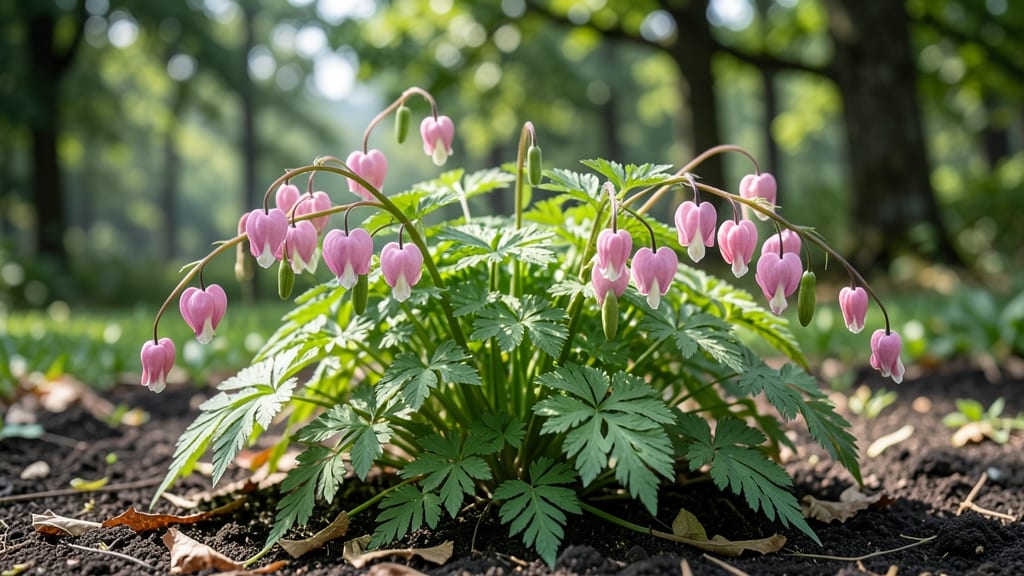
Harvesting bleeding heart seed pods without the stubborn twist fight is possible—and here’s how. 🌿 These delicate pods are the secret to growing new plants, but most gardeners struggle with their stubborn grip.
I’ve collected hundreds over the years, and I’ll share the exact timing, tools, and techniques that make it effortless. The key is patience and the right approach.
Wait until the pods turn brown and papery—usually late summer to early fall—then gently twist and pull while wearing gloves to protect your hands. Store the seeds in a cool, dry place until spring planting, where they’ll reward you with lush, heart-shaped foliage.
Seed-grown bleeding hearts take 2-3 years to reach full bloom, but the payoff is worth it: you’ll have a fresh supply of plants that thrive in partial shade. Unlike division, which can shock mature plants, seeds give you a chance to experiment with new varieties.
If you’ve ever given up on bleeding heart seeds, this method changes everything. Let’s make seed collection your new favorite part of the gardening year!
📚 In This Guide
- What you need
- Instructions
- Tips and common mistakes
- Wrapping up and next steps
What you need
- ● Bleeding heart plants (Dicentra spectabilis) – Mature plants with fully developed seed pods (late summer/early fall).
- ● Pruning shears or sharp scissors – Sterilized to prevent disease spread (1 pair).
- ● Paper grocery bags or breathable mesh bags – At least 3–5 bags (10–12" wide) for collecting pods.
- ● Newspaper or cardboard – 1–2 sheets for drying pods indoors.
- ● Rubbing alcohol (70% isopropyl) or bleach solution – For sanitizing tools (1 small bottle or diluted 1:10 bleach-water mix).
- ● Labeling tags & permanent marker – To mark pod varieties (10–20 tags).
- ○ Glove – Optional but recommended for prickly stems (1 pair).
- ● Drying rack or wire mesh screen – For elevated airflow if drying indoors.
- ● Small fan or dehumidifier – Speeds up drying in humid climates.
- ● Seed envelope kit – For long-term storage (50–100 envelopes).
- ● Camera or phone – To document pod colors/shapes for variety tracking!
How to harvest bleeding heart seed pods without the twist struggle
Here's the simple method I use to collect seed pods without breaking your back or losing them to the wind.
🌿 Step 1: Wait for the Right Time to Harvest
Bleeding heart seed pods ripen in late summer to early fall, typically 8-10 weeks after flowering. You'll know they're ready when the pods turn a papery brown color and begin to split open naturally. The key is to harvest them just as they start to crack—this ensures the seeds inside are fully mature but haven't scattered yet.
I always check my plants on dry mornings after a light dew has evaporated. The pods hold their shape better when they're not damp, making them easier to handle. If you wait too long, the seeds will fly away at the slightest breeze, and you'll be left with empty pods.
✂️ Step 2: Gather the Pods Gently
Use clean, sharp pruning shears or scissors to snip the seed pods from the stems. Cut the stem just above the pod itself—this prevents the pod from splitting open prematurely as you work. Place the pods in a paper bag or envelope immediately after harvesting to prevent seed loss.
Here's the thing—don't twist or pull the pods off. Bleeding hearts have delicate stems that snap easily, and forcing the pods can cause them to burst open before you're ready. A steady, confident snip is all you need. I like to work in small batches so I can keep an eye on the pods as I go.
🪴 Step 3: Dry and Store the Pods Properly
Spread the harvested pods out on a clean, dry surface in a single layer. Place them in a warm, dry spot with good air circulation—like a sunny windowsill or a well-ventilated shelf. It should take about 1-2 weeks for the pods to dry completely. They're ready when they rattle slightly when shaken, indicating the seeds inside are loose and mature.
Once fully dry, store the pods in a sealed envelope or airtight container in a cool, dark place. I keep mine in a small glass jar with a tight-fitting lid. Label the container with the date and variety if you're growing multiple types. Properly stored, bleeding heart seeds can remain viable for up to 2 years.
💧 Step 4: Extract Seeds for Planting
When you're ready to plant, gently squeeze each dried pod between your fingers over a clean sheet of paper. The seeds will pop out easily once the pods are fully mature and dry. You'll notice they're tiny, dark, and somewhat glossy—about the size of a pinhead. Collect the seeds and sift through them to remove any debris or empty seed casings.
I like to plant bleeding heart seeds as soon as they're extracted. Scatter them lightly on the surface of moistened seed-starting mix and press them in gently—no need to bury them deeply. Keep the soil consistently moist until germination, which typically occurs in 2-3 weeks if the seeds are fresh. If you're storing seeds for later, keep them in a sealed container with a packet of silica gel to absorb excess moisture.
Tips & tricks for perfect bleeding heart seed pod harvesting
Common pitfalls—and how to sidestep every one—when harvesting these delicate seed pods.
Timing Secret: The 8-10 week window after flowering is critical. I've learned the hard way that harvesting too early means immature seeds, while waiting too long means seeds scatter at the first breeze. Check pods daily during the last week—they're ready when they start cracking open naturally. A quick shake test works too: mature pods will rattle when shaken gently.
Equipment Upgrade: While regular scissors work, I now use small pruning shears with a fine tip for precision. The key is cutting just above the pod itself—this prevents the stem from tearing and keeps the pod intact. I keep a small basket lined with paper towels nearby to catch any seeds that might fall during harvesting. Between us, this saves hours of cleanup later.
Drying Strategy: Spread pods in a single layer on a paper towel-lined tray for the 1-2 week drying period. I place mine on a mesh cooling rack over a baking sheet to allow airflow from all sides. This prevents mold growth and ensures even drying. Pro tip: If your kitchen is humid, place a small fan nearby to circulate air gently—this cuts drying time by nearly 30%.
Storage Wisdom: After the 2-year storage window, I've found that adding a silica gel packet to the sealed container with the dried pods extends viability by another year. The gel absorbs any residual moisture that could compromise seed quality. Label your containers with both the date and variety—trust me, you'll forget otherwise when you go to plant next spring!
Pro Tips for Bleeding Heart Seed Pods
- Common pitfalls—and how to sidestep every one—when harvesting these delicate seed pods.
- Timing Secret: The 8-10 week window after flowering is critical.
- Equipment Upgrade: While regular scissors work, I now use small pruning shears with a fine tip for precision.
Frequently asked questions
Got questions about harvesting those vibrant bleeding heart seed pods? You’re not alone! Here are answers to the most common queries—so you can enjoy the process without the frustration.
Why do bleeding heart seed pods turn red and twist?
The twisting and reddening of Lamprocapnos spectabilis seed pods is nature’s way of releasing seeds! As the pods dry, they actively twist to scatter seeds—sometimes even launching them short distances. This is normal and part of the plant’s reproductive cycle. If you want to save seeds, harvest them before they twist fully.
When is the best time to harvest bleeding heart seed pods?
Harvest pods when they’re dry but not yet twisted—typically in late summer to early fall (August–October, depending on your climate). Look for pods that are papery and light brown but haven’t started curling. Avoid harvesting when they’re still green or fully twisted, as seeds may have already dispersed.
Can I collect seeds from bleeding heart plants in my yard?
Yes! If your bleeding heart plants are healthy and not treated with pesticides, their seeds are safe to collect. Just avoid plants near high-traffic areas or treated with herbicides. For best results, cross-pollinate seeds from multiple plants to maintain genetic diversity in your new seedlings.
What can I do if my seed pods won’t open or stay green?
If pods stay green or refuse to dry, check for these issues:
- Too much moisture: Overwatering or humid climates can delay drying. Move plants to a dry, shaded spot to speed up the process.
- Immature pods: Wait a few more weeks—they may still ripen.
- Pests/disease: Mold or insects can prevent drying. Remove affected pods and treat the plant if needed.
What’s the easiest way to store bleeding heart seeds?
Once harvested, let seeds dry completely (1–2 weeks in a cool, dry place). Store them in a paper envelope or airtight container with a desiccant packet in the fridge. Seeds stay viable for 1–2 years if kept dry and cool. Label your container with the harvest date!
Wrapping up and next steps
Harvesting bleeding heart seed pods doesn’t have to be a messy or frustrating task—with the right tools and techniques, you can collect them effortlessly and even propagate new plants! Whether you’re pruning for aesthetics or saving seeds for next season, these tips ensure a stress-free process. 🌿
Now that you’re armed with knowledge, grab your gloves and get ready to turn those vibrant seed pods into future blooms. Ready to grow? Start by marking a few plants for next year’s harvest—your garden will thank you!