
Propagation
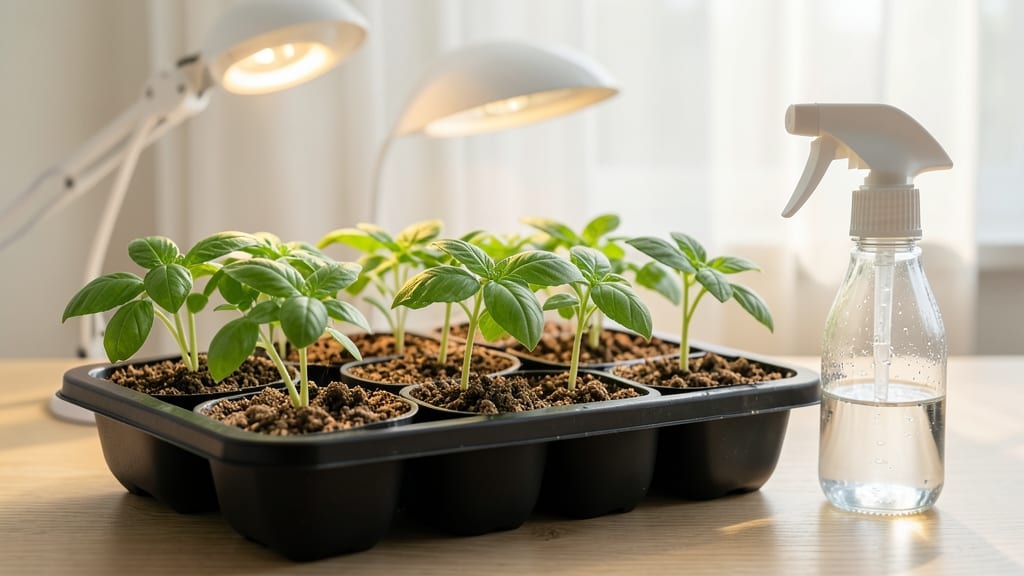
Growing basil from seed indoors is the fastest way to get fragrant, productive plants ready for your kitchen—without the leggy, twisty seedlings that frustrate beginners. 🌱 I’ve started dozens of batches, and the secret lies in light, warmth, and patience (not speed).
The right setup turns a sunny windowsill into a herb factory that outpaces store-bought plants in just 3-4 weeks.
You’ll need seeds (genovese or sweet basil work best), a shallow tray or small pots, seed-starting mix, and a grow light or south-facing window. The trick? Keep soil warm (70-75°F) and moist but never soggy—damp paper towels speed up germination if you’re impatient.
Once sprouts appear, move them to bright light immediately to prevent that classic "reaching" stretch.
By week 4, you’ll be pinching leaves for pesto while the plant grows bushier. The smell alone—fresh, bright, and impossible to resist—makes it worth the wait. And if you’re lucky enough to have a warm season, those same seedlings can transplant outdoors for a summer-long harvest.
This method works year-round, even in apartments or basements, as long as you mimic spring conditions. The only real mistake? Waiting too long to provide light. Let’s get those seeds sprouting!
📚 In This Guide
- What you need
- Instructions
- Tips and common mistakes
- Wrapping up and next steps
What you need
- ● Basil seeds – 10–20 seeds (look for Genovese or Sweet Basil for best results).
- ● Seed-starting tray or small pots – 2–4" deep, with drainage holes (biodegradable pots work great!).
- ● Seed-starting mix – A lightweight, sterile mix (avoid garden soil—it’s too dense!).
- ● Spray bottle – For gentle watering (a fine-mist setting is ideal).
- ● Clear plastic dome or ziplock bag – To create a mini greenhouse effect (or a humidity tent).
- ● Grow lights or sunny windowsill – 6+ hours of warm light daily (south-facing windows work if natural light is strong).
- ● Watering can or cup – For consistent moisture (avoid soggy soil!).
- ● Heating mat – Speeds up germination (70–75°F is perfect).
- ● pH test kit – Keeps soil in the 6.0–7.0 range (basil loves slightly acidic soil).
- ● Fertilizer (balanced or organic) – Diluted to half-strength once seedlings sprout.
- ● Pruning shears – For pinching back stems to encourage bushiness.
- ● Self-watering planter – Reduces fuss for busy growers!
Step-by-step instructions for growing basil from seed indoors
Here's how to get juicy, fast-growing basil from seed without the leggy, twisty disaster most beginners face.
🌱 Step 1: Soak and Plant Seeds for Faster Germination
Basil seeds have a tough outer coating that slows germination, but a 12-hour soak in lukewarm water softens it considerably. Place seeds in a small bowl, cover with water, and let them sit while you prepare your containers. You'll see them plump up slightly—this is your signal they're ready.
Use 4-inch pots or a seed tray filled with moistened seed-starting mix (not garden soil). Press one seed ¼ inch deep into the soil—any deeper and they'll struggle to emerge. I like to use a toothpick to make a small hole, then drop the seed in and cover it gently. Space seeds 1 inch apart if planting multiple in one pot.
💧 Step 2: Create a Humid Warmth Dome for Germination
Basil germinates best at 75-80°F, so place your pots on a seedling heat mat if possible. Cover the tray with a clear plastic dome or plastic wrap to trap moisture and warmth. Check daily for condensation—this is normal and ensures high humidity.
Mist the soil lightly if it feels dry to the touch, but avoid soaking it. Overwatering now causes damping-off, a fungal disease that collapses seedlings overnight. You'll see sprouts in 7-14 days, though cooler rooms may take the full time. Once 50% of seeds sprout, remove the dome immediately to prevent mold.
☀️ Step 3: Provide Bright Light Immediately After Germination
The instant those first true leaves appear (not the tiny seed leaves), move seedlings under a grow light or within 2 inches of a south-facing window. Basil needs 12-14 hours of light daily to grow strong and compact. Without enough light, stems stretch and become weak—this is your first warning sign of legginess.
Rotate pots a quarter turn daily so plants grow straight toward the light. You'll notice seedlings with thick stems and dark green leaves are thriving. If leaves look pale or stems bend toward the light, your setup needs more intensity or closer placement.
🌿 Step 4: Thin and Fertilize for Bushy Growth
When seedlings reach 2 inches tall and have 2 sets of true leaves, thin to the strongest plant per pot by snipping the others at soil level. This prevents competition and gives your basil room to grow. Use clean scissors to avoid tearing stems.
Switch to liquid fertilizer diluted to half-strength every 2 weeks once true leaves appear. Over-fertilizing now burns tender roots. You'll see new leaves emerge within a week—that's your signal everything is working. Prune the top set of leaves when the plant reaches 6 inches to encourage bushier growth.
✂️ Step 5: Harvest and Maintain for Continuous Production
Begin harvesting the top 2-3 leaves when the plant reaches 6-8 inches tall. This encourages branching and prevents legginess. Pinch back flowering stems immediately—they signal the plant to slow growth and focus on seed production, which ruins flavor.
Keep soil moist but never soggy. Basil wilts easily when thirsty but recovers quickly with water. You'll have 4-6 harvests from a single seed if you maintain this cycle. Move plants outdoors after the last frost for stronger flavor, but keep them in partial shade to prevent bolting in hot climates.
Tips & tricks for perfect indoor basil growth
These game-changing tips will help you skip the leggy, twisty basil disasters and grow lush, fast plants indoors.
Soaking Secret: The 12-hour soak isn't just about speed—it's about breaking dormancy. Use a small bowl with lukewarm water (not hot) and let seeds sit while you prep containers. You'll know they're ready when they plump up slightly. Pro tip: Place the bowl near your workspace so you don't forget about it during the soak period.
Lighting Strategy: Those 12-14 hours of daily light are non-negotiable for compact growth. If your south-facing window isn't sufficient, invest in a basic LED grow light—it's the difference between weak, stretched plants and sturdy, flavorful basil. Position it just 2-3 inches above seedlings to maximize intensity without burning them.
Temperature Troubleshooting: Maintaining 75-80°F during germination is crucial, but most homes don't stay this warm. If your kitchen runs cooler, place pots on a seedling heat mat or even a warm spot near your fridge (not inside!). The instant you see sprouts, move them to their bright light spot—this prevents the "leggy" growth that kills basil.
Pruning Precision: When thinning to the strongest plant at 2 inches tall, use clean scissors to avoid tearing stems. For bushier growth at 6 inches, pinch just above a leaf node where two leaves meet. This simple technique triggers branching instead of letting the plant grow tall and spindly. You'll get more leaves per plant this way!
Pro Tips for Basil From Seed Indoors
- These game-changing tips will help you skip the leggy, twisty basil disasters and grow lush, fast plants indoors.
- Soaking Secret: The 12-hour soak isn't just about speed—it's about breaking dormancy. Use a small bowl with lukewarm ...
- Lighting Strategy: Those 12-14 hours of daily light are non-negotiable for compact growth. If your south-facing windo...
Frequently asked questions
Got questions about growing basil from seed indoors?
You’re not alone! Here are some of the most common queries—plus quick, practical answers to keep your herb garden thriving.
How long does it take for basil seeds to germinate indoors?
Basil seeds typically sprout in 7–14 days when kept in warm (70–75°F), moist conditions. Use a heat mat if your home runs cooler—patience is key! If no sprouts appear after 3 weeks, try fresh seeds or check moisture levels.
Why aren’t my basil seeds sprouting? Troubleshooting tips.
Common culprits include:
- Cold soil: Basil loves warmth—keep seeds above 70°F.
- Dry soil: Mist daily or use a humidity dome.
- Old seeds: Test viability by soaking in water (floaters = dead).
- Light issues: Seeds need darkness to germinate; cover trays until sprouts appear.
How soon can I harvest basil grown from seed?
Wait until your plants have 4–6 true leaves (not just the initial seed leaves). Pinch the top stems to encourage bushiness, then harvest leaves 2–3 inches long for flavor. Regular harvesting keeps plants productive!
Can I grow basil indoors without sunlight?
Yes! Use a grow light (LED or fluorescent) 12–16 hours/day, 2–3 inches above the plants. South-facing windows work too, but rotate pots weekly for even growth. Basil wilts without light—don’t skimp!
What’s the best way to use homegrown basil?
Fresh basil shines in:
- Pesto (blend with garlic, nuts, olive oil, and Parmesan).
- Tomato sauces (add leaves at the end of cooking).
- Infused oils (steep in olive oil for 2 weeks).
- Tea (steep 2–3 leaves in hot water for 5 mins).
Wrapping up and next steps
Growing basil from seed indoors is a rewarding journey that brings fresh, fragrant herbs right to your kitchen—no green thumb required! 🌱 With the right setup, patience, and care, you’ll enjoy a thriving plant in just a few weeks.
Whether you’re a beginner or a seasoned gardener, this method proves that homegrown basil is easier (and more satisfying) than you think.
Now that you’re armed with tips and tricks, why not take the next step? Start small with a single pot, experiment with varieties, or even share your harvest with friends. Your indoor herb garden awaits—let’s grow that basil! 🌿