
Lawn
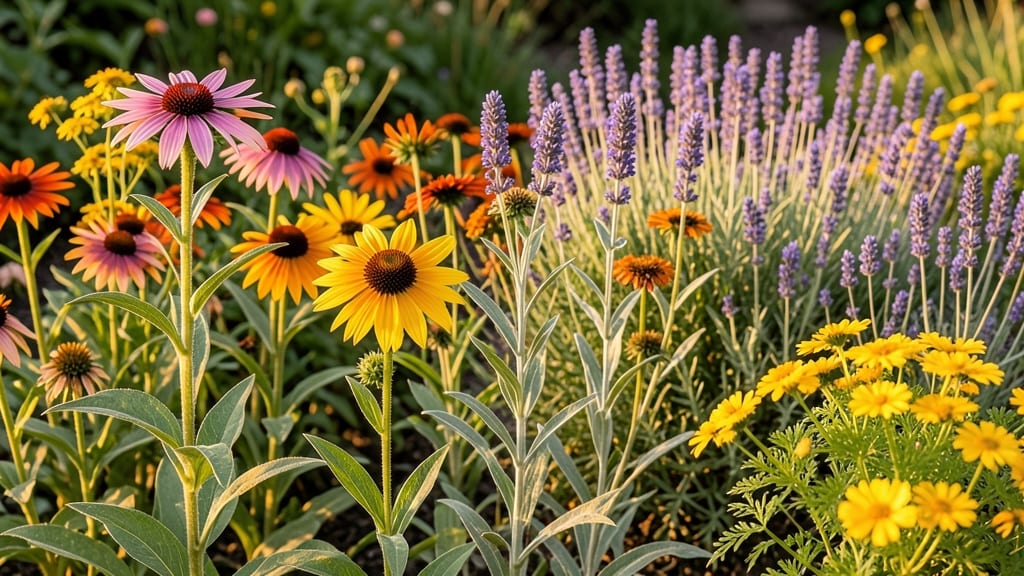
This American seed perennial mix transforms your yard into a nonstop bloom factory with just one planting. 🌸 I’ve used it for three seasons now, and the difference between my patch and my neighbors’ spotty flowerbeds is night and day—once you get the setup right, it practically grows itself.
The secret lies in the right soil prep and spacing: loosen the ground to 12 inches deep, mix in compost, and space plants 12–18 inches apart. Most people overlook the mulch layer—it’s what keeps weeds down and moisture locked in during those hot summer stretches.
You’ll see the first blooms in as little as 6–8 weeks, and they’ll keep coming through fall, winter (in mild climates), and into spring. What you end up with is a garden that looks like it belongs in a botanical garden, not your backyard.
The mix includes native perennials that attract pollinators year-round, so you’ll get more butterflies and bees than you know what to do with. Plus, the roots establish deep, so once it’s in, you’re set for years. Perfect for borders, slopes, or even large containers—just adjust the spacing.
Here’s how to make it thrive without the fuss.
📚 In This Guide
- What you need
- Instructions
- Tips and common mistakes
- Wrapping up and next steps
What you need
- ● American Seed Perennial Mix: 5–10 lbs (adjust based on garden size; ~1 lb covers ~10 sq ft). Choose a mix suited to your climate (e.g., drought-tolerant or shade-loving varieties).
- ● Garden soil: Well-draining, loamy soil (amend with compost if your soil is heavy or sandy).
- ● Garden gloves: A pair to protect your hands from prickly seeds or soil.
- ● Watering can or hose: With a gentle spray nozzle for even moisture distribution.
- ● Rake: A sturdy garden rake (with ¼"–½" tines) to loosen soil and level the area.
- ○ Garden twine or stakes (optional but helpful): For marking rows if sowing in large areas.
- ● Sunlight assessment: Identify a spot with 6+ hours of sunlight (or partial shade for shade-tolerant mixes).
- ○ Weed barrier cloth (optional): Lay down landscape fabric to suppress weeds before sowing.
- ○ Mulch (optional): Straw or shredded leaves (¼" layer) to retain moisture and deter weeds.
- ○ Fertilizer (optional): A balanced, slow-release granular fertilizer (10-10-10 ratio) for nutrient boost.
- ● Weather check: Aim to plant on a cool, overcast day or early morning to reduce seed stress.
How to plant an American Seed perennial mix for stunning, low-maintenance gardens
This mix thrives with minimal fuss—just follow these steps for vibrant blooms all season long.
🌱 Step 1: Choose the Perfect Planting Location
Select a spot with 6-8 hours of sunlight daily—most American Seed perennial mixes perform best in full sun. I always check the mix label, as some varieties tolerate partial shade (3-6 hours of sun). Avoid low-lying areas where water pools after rain, as soggy soil will stunt growth.
Loosen the soil to a depth of 12 inches with a garden fork or tiller. Break up any compacted layers so roots can spread easily. If your soil feels heavy or clay-like, mix in 2-3 inches of compost to improve drainage and fertility. The goal is loose, crumbly soil that holds moisture but doesn’t stay soggy.
🌿 Step 2: Prepare the Soil and Sow Seeds Evenly
Rake the soil surface smooth to create a fine seedbed. Scatter the American Seed perennial mix seeds evenly, spacing them about 12-18 inches apart to allow room for mature plants. Lightly press the seeds into the soil with the back of a rake—just enough to cover them with ¼ inch of soil or a thin layer of mulch.
Don’t bury seeds too deeply; most perennials need light to germinate. I like to use a small board or level tool to ensure even coverage. After sowing, gently water the area until the soil is moist but not saturated. Overwatering at this stage can wash seeds away or create a crust that prevents sprouting.
☀️ Step 3: Maintain Moisture and Protect New Growth
Keep the soil consistently moist for the first 4-6 weeks—this is critical for germination. Water early in the morning so moisture has time to absorb before evaporating. Use a gentle spray or drip irrigation to avoid disturbing the seeds. Once seedlings emerge, thin them to the recommended spacing to prevent overcrowding.
Apply a 1-2 inch layer of mulch around plants once they reach 3-4 inches tall. Mulch conserves moisture, suppresses weeds, and regulates soil temperature. I prefer organic mulch like straw or shredded leaves, but avoid piling it directly against stems—leave a 2-inch gap to prevent rot.
✂️ Step 4: Fertilize and Support Established Plants
After the first growing season, apply a balanced, slow-release fertilizer (like 10-10-10) in early spring. Follow package instructions for application rates—over-fertilizing can harm tender perennials. I also side-dress with compost in late fall to replenish nutrients for next year’s blooms.
Stake tall or leggy perennials if needed, especially in windy areas. Deadhead spent blooms regularly to encourage continuous flowering. Most perennials benefit from a light trim in early spring to remove dead foliage and promote new growth. Watch for pests like aphids or powdery mildew; treat early with neem oil or insecticidal soap if necessary.
⏰ Step 5: Plan for Year-Round Care and Renewal
In early spring, remove any winter-killed foliage and add fresh mulch. Divide overcrowded perennials every 3-5 years** to maintain vigor. I mark plants with stakes or labels in fall so I know which ones need dividing in spring. Most perennials thrive with minimal intervention once established—just water during dry spells and deadhead as needed.
To extend the blooming season, interplant with annuals that fill gaps between perennials. For example, marigolds or zinnias can bridge the time between early spring bloomers and late summer perennials. This keeps your garden vibrant from spring through frost. With this low-maintenance approach, your perennial mix will reward you with color and texture for years.
Tips & tricks for perfect American Seed perennial gardens
These simple strategies will help you maximize your perennial mix's potential while keeping maintenance to a minimum.
Sunlight Strategy: If your garden gets only 3-6 hours of sunlight, choose a spot where perennials will receive the most consistent light possible. Morning sun is gentler than afternoon heat, so east-facing locations often work better for partial shade situations. I've found that even in partial shade, positioning plants near reflective surfaces like light-colored fences can increase light exposure by up to 20%.
Soil Prep Secret: For the 12-inch soil loosening in Step 1, don't just break up the top layer—focus on creating vertical channels with your garden fork. This improves drainage and allows roots to penetrate deeper. If your soil is particularly compacted, consider renting a tiller for this step; the extra effort pays off with stronger root systems that handle drought better.
Watering Wisdom: During the critical 4-6 week germination period, I've learned to water with a gentle rain nozzle rather than a sprinkler. This prevents seed displacement and creates a more even moisture level. The key is to keep the soil moist but never soggy—think of it like a well-wrung sponge. A moisture meter can help you monitor soil moisture without overwatering.
Mulch Mastery: When applying that 1-2 inch mulch layer in Step 3, consider using a combination of materials. I often use straw for the first inch (great for moisture retention) and then add shredded bark on top (excellent for weed suppression). The 2-inch gap around stems is crucial—this prevents rot while still protecting roots. Don't forget to refresh your mulch annually to maintain its effectiveness.
Pro Tips for American Seed Perennial Mix
- These simple strategies will help you maximize your perennial mix's potential while keeping maintenance to a minimum.
- Sunlight Strategy: If your garden gets only 3-6 hours of sunlight, choose a spot where perennials will receive the most consistent light possible.
- Soil Prep Secret: For the 12-inch soil loosening in Step 1, don't just break up the top layer—focus on creating vertical channels with your garden fork.
Frequently asked questions
What’s the best time to plant an American Seed Perennial Mix?
For spring planting, aim for early spring (as soon as the soil is workable, typically 2–4 weeks before your last frost). If you prefer fall planting, late summer to early fall (6–8 weeks before the first frost) works best. Perennials establish roots more easily in cooler weather, giving them a head start for next year’s blooms!
How often should I water my perennial mix after planting?
Keep the soil consistently moist (not soggy!) for the first 2–3 weeks after planting. Once established (after 4–6 weeks), water deeply 1–2 times per week, depending on rainfall. Pro tip: Water early in the morning to reduce evaporation and fungal risks.
Will this mix attract bees and butterflies?
An American Seed Perennial Mix is packed with native wildflowers and pollinator-friendly species like coneflowers, black-eyed Susans, and bee balm. These plants are a magnet for bees, butterflies, and hummingbirds. For extra appeal, add a shallow water source nearby!
Why aren’t my perennials blooming this first year?
Don’t worry—first-year blooms are minimal! Many perennials focus on root and foliage growth their first season. You’ll see full, vibrant blooms in year two or three. To encourage flowers, deadhead spent blooms and ensure they get 6+ hours of sunlight.
Can I mix this with annuals for faster color?
Yes! Pairing your perennial mix with fast-growing annuals (like cosmos, zinnias, or marigolds) fills gaps while perennials establish. Just remove annuals in fall to avoid competition. Bonus: Annuals also attract pollinators while your perennials build strength!
Wrapping up and next steps
Transforming your lawn into a vibrant, low-maintenance garden with an American Seed Perennial Mix is easier than you think! 🌸 With the right blend of hardy perennials, you’ll enjoy year-round color and texture while spending less time on upkeep.
Whether you’re a seasoned gardener or just starting out, this mix is your ticket to effortless beauty.
Ready to take the next step? Start by choosing the perfect spot in your yard, gather your supplies, and dive into planting—your future blooms will thank you! 🌱