
Lawn
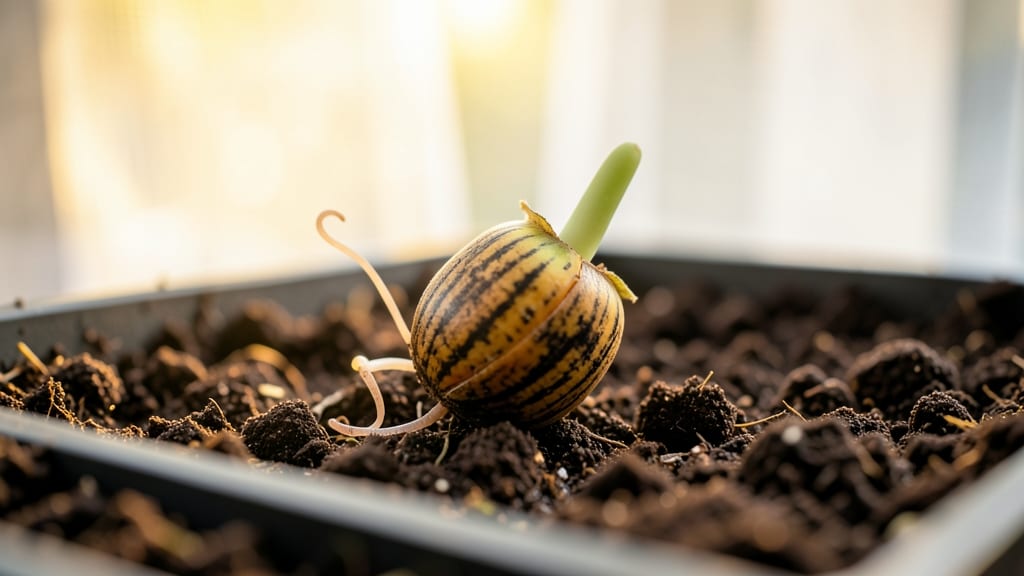
A seed in the sun transforms your garden from a quiet patch of earth into a vibrant stage where every bloom feels like a standing ovation. 🌻 The right sun-loving annuals—think zinnias, marigolds, and cosmos—don’t just survive summer; they thrive, turning your yard into a nonstop parade of color from June until frost.
I’ve designed sunny garden beds that look effortless, but the secret is strategic placement: morning sun for delicate petunias, full afternoon heat for heat-loving salvias, and that perfect golden-hour glow for everything in between.
The magic starts with grouping plants by sunlight needs—no more half-hearted blooms or leggy stems. A 6-foot-wide border of sunflowers and black-eyed Susans creates a dramatic backdrop, while trailing lobelia and sweet alyssum spill over edges like confetti.
The result? A garden that feels alive, not just planted, with every path leading you toward more color. And the best part? These annuals self-seed, so next year’s garden starts before you even finish tidying up.
Imagine stepping into a space where the air hums with bees and the scent of warm petals lingers long after sunset. That’s the power of a sunlit garden—it doesn’t just grow plants, it grows joy.
You’ll spend less time watering (once established, these drought-tolerant picks handle heat like pros) and more time admiring the show. The key is layering heights, textures, and bloom times so there’s always something in focus, from early-morning snapdragons to late-summer celosia.
Perfect for sunny patios, front yards, or that hot corner of the garden everyone forgets about. Whether you’re filling in gaps between perennials or creating a brand-new sunny retreat, these annuals deliver drama with minimal fuss. Let’s bring the light—and the blooms—to life.
📚 In This Guide
- What you need
- Instructions
- Tips and common mistakes
- Wrapping up and next steps
What you need
- ● Sun-loving annual seeds: Choose from Zinnias, Marigolds, Sunflowers, Cosmos, or Portulaca (pick 3–5 varieties for a dynamic display). Start with 1–2 packets per type (each packet typically contains 100+ seeds).
- ● Well-draining potting mix: 10–20 lbs (sterilized, peat-free blend for outdoor pots or garden beds).
- ● Containers or garden bed: Containers: 5–10-inch diameter pots (1–2 per plant) with drainage holes.
- ● Garden bed: A 6-inch-deep, sunny spot (minimum 4x4 ft for a small patch).
- ● Watering can or hose with gentle spray nozzle.
- ● Organic fertilizer: Balanced 10-10-10 or slow-release granules (follow package rates for seedling stage and blooming phase).
- ● Plant labels & markers: Waterproof tags to track varieties.
- ● Seedling trays (for early starts, 2–4 trays if sowing indoors).
- ● Garden gloves (to protect hands from soil and thorns, like sunflowers).
- ● Pruning shears (for deadheading spent blooms and shaping plants).
- ● Mulch (straw or shredded bark) to retain moisture and suppress weeds.
- ● Sunlight meter or app (to confirm your space gets 6+ hours of direct sun).
- ● Access to full sun (6+ hours/day)—no shady spots allowed!
- ● Last frost date in your area (check here to time planting).
- ● Patience for 4–8 weeks until seeds germinate and bloom.
Step-by-Step guide to planting sun-loving annuals for continuous blooms
Here's how to turn your sunny garden into a nonstop floral show—just follow these easy steps!
🌱 Step 1: Choose the Right Sun-Loving Annuals
Pick annuals that thrive in full sun (6+ hours daily) and match your climate. My top picks for continuous blooms are zinnias, marigolds, and cosmos—they're tough, drought-tolerant, and bloom like crazy. Check seed packets for your hardiness zone to ensure they'll perform well in your area.
I always plant zinnias first because they're heat-lovers and will keep flowering until frost. Marigolds deter pests naturally, while cosmos self-seed for next year's free blooms. Mix heights for visual appeal—tall cosmos in back, medium zinnias in middle, and low marigolds up front.
☀️ Step 2: Prepare the Planting Site
Select a location with at least 6 hours of direct sunlight—morning sun with afternoon shade works too, but avoid hot afternoon sun in very hot climates. Clear the area of weeds and loosen the soil to a depth of 12 inches using a garden fork. Amend the soil with 2-3 inches of compost to improve drainage and fertility.
Here's the thing—sun-loving plants hate soggy roots. If your soil drains poorly, mix in 1 inch of perlite or coarse sand to create air pockets. You'll know you've done it right when water drains through the soil within 30 minutes after watering.
🌿 Step 3: Plant Seeds at the Right Depth and Spacing
Follow the seed packet instructions for depth—usually ¼ to ½ inch deep—but never plant deeper than the seed's diameter. I like to make small furrows with my finger, drop seeds inside, then cover lightly. Space seeds according to the packet (zinnias need 6-12 inches apart, cosmos 12-18 inches), but don't worry about perfect spacing early on—you can thin later.
Water gently after planting to settle the soil around seeds. Use a fine mist setting on your hose or watering can so you don't dislodge them. Keep the soil consistently moist until germination, which usually takes 7-14 days depending on the plant and temperature.
💧 Step 4: Water and Fertilize for Nonstop Blooms
Once seedlings emerge, water deeply 1-2 times per week, aiming for 1 inch of water per week. Water in the morning so leaves dry quickly, preventing fungal diseases. I use a soaker hose to deliver water at the base—this keeps foliage dry and encourages strong root growth.
Feed plants every 4-6 weeks with a balanced, water-soluble fertilizer (like 10-10-10) diluted to half strength. Deadhead spent blooms regularly by pinching off flowers just above the next set of leaves. This redirects energy to producing more blooms instead of seeds. You'll see a burst of new flowers within 2-3 weeks of consistent deadheading.
✂️ Step 5: Maintain and Extend the Blooming Season
To keep your sun-lovers flowering all summer, give them a mid-season boost in late July. Cut back leggy stems by ⅓ their height to encourage bushier growth. This also prevents stems from becoming too woody. After pruning, fertilize lightly to support new growth.
Watch for pests like aphids or spider mites—these love stressed plants. Spray with a strong stream of water to dislodge them, or use neem oil for a natural solution. If you notice leaves yellowing, it might be time to add more compost or mulch. A 2-inch layer of mulch helps retain moisture and keeps roots cool in hot weather.
Tips & tricks for perfect sun-loving annuals
These simple tricks will help your sun-loving annuals thrive and bloom nonstop all season long!
Sunlight Strategy: While 6 hours of sun is ideal, don't stress if you have slightly less—morning sun with afternoon shade works beautifully. I've seen zinnias thrive with just 4-5 hours of morning sun, especially in hotter climates. The key is to avoid intense afternoon sun that can scorch delicate seedlings. For maximum blooms, position taller cosmos in the back to provide light shade for shorter varieties in front.
Soil Prep Secret: The 30-minute drainage test in Step 2 is your best friend! If water pools on the surface after 30 minutes, you definitely need more perlite or sand. I like to test soil drainage before planting—just dig a small hole, fill it with water, and time how long it takes to drain. For heavy clay soils, mix in an extra 1-2 inches of compost to improve structure over time.
Germination Game-Changer: Those 7-14 days of consistent moisture are critical, but don't overwater! I use a spray bottle with room-temperature water to keep seeds moist without creating muddy conditions. Place a clear plastic bag over seedlings to create a mini greenhouse effect—just remove it once sprouts appear. This can cut germination time by 2-3 days in cooler weather.
Deadheading Payoff: The 2-3 week bloom boost from regular deadheading is worth the effort! I set a timer to check flowers every 3-4 days during peak bloom season. For zinnias, I use clean scissors to make clean cuts just above a set of leaves—this prevents disease better than pinching. The first flush of new blooms always arrives faster than expected!
Pro Tips for A Seed In The Sun
- These simple tricks will help your sun-loving annuals thrive and bloom nonstop all season long!
- Sunlight Strategy: While 6 hours of sun is ideal, don't stress if you have slightly less—morning sun with afternoon s...
- Soil Prep Secret: The 30-minute drainage test in Step 2 is your best friend! If water pools on the surface after 30 m...
Frequently asked questions
Got questions about growing sun-loving annuals that keep blooming all summer?
You’re not alone! Here are answers to the most common ones to help you cultivate a vibrant, low-maintenance garden that thrives under the sun.
Which sun-loving annuals are the easiest to grow for beginners?
Start with Zinnias, Marigolds, or Cosmos—they’re tough, fast-growing, and bloom nonstop with minimal fuss. Petunias and Geraniums are also great choices for their resilience and vibrant colors. Just ensure they get 6+ hours of direct sunlight daily!
How long does it take for these plants to start flowering?
Most sun-loving annuals bloom within 6–10 weeks from seed, depending on the variety. For example:
- Zinnias: 6–8 weeks
- Marigolds: 5–7 weeks
- Petunias: 8–10 weeks
Can I grow these annuals in containers, or do they need a garden bed?
Many sun-loving annuals thrive in containers, like Petunias, Geraniums, and Calendulas. Just ensure your pots have drainage holes and use a lightweight, well-draining potting mix. For larger varieties (e.g., Sunflowers), opt for deep containers or garden beds.
What if my plants stop blooming? How do I encourage more flowers?
Overly lush foliage or spent blooms can signal it’s time to prune and fertilize! Snip back leggy stems to promote bushier growth, and feed with a balanced, water-soluble fertilizer every 2–3 weeks. Deadheading (removing faded blooms) also tricks plants into producing more flowers.
Are there any sun-loving annuals that attract pollinators?
Yes! Plant Marigolds, Zinnias, Cosmos, or Sunflowers to draw bees, butterflies, and hummingbirds. These pollinator magnets not only boost your garden’s biodiversity but also increase flower production through cross-pollination. Win-win!
Wrapping up and next steps
Transforming your lawn into a vibrant, sun-soaked paradise is easier than you think! With the right sun-loving annuals, you’ll enjoy nonstop blooms that turn heads and brighten every summer day. These hardy plants thrive with minimal fuss—just a little sunshine, good soil, and your care to keep them flourishing.
Ready to take the next step? Start small: plant a few of your favorites in a sunny patch and watch them grow!
Before you know it, your entire lawn could be a burst of color and life. 🌻🌸 Grab your seeds, roll up your sleeves, and let the blooms begin!