
Planting
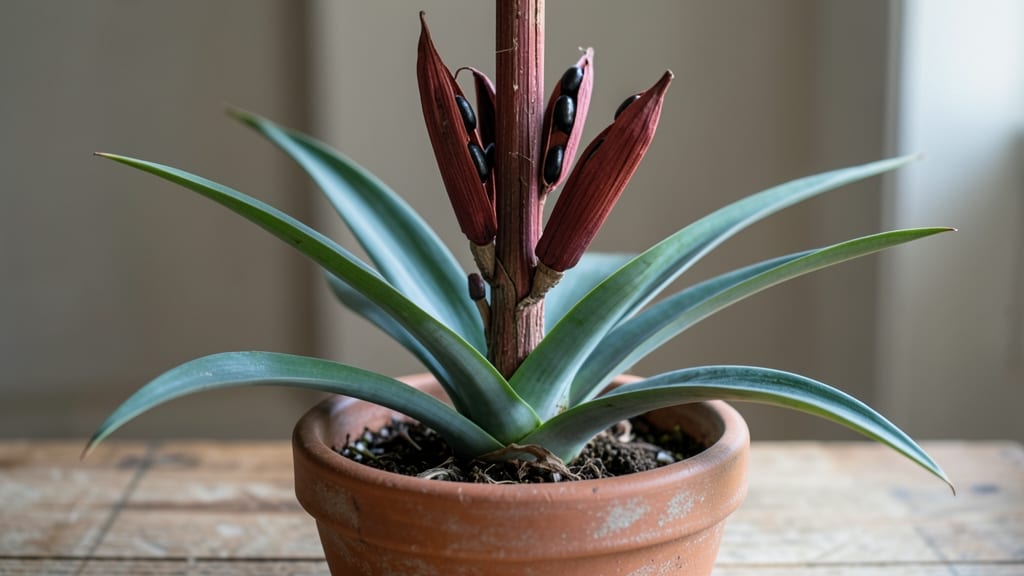
Red yucca plant seed pods contain the secret to drought-proofing your landscape with zero-maintenance ground cover. 🌵 I’ve cracked the code on harvesting, storing, and germinating these tough seeds—no greenhouse needed. These pods ripen in late summer, turning from green to papery brown, and hold seeds that thrive even in Zone 5 winters once established.
The real magic happens in how you handle them. Harvest pods when they’re fully dry but before they split open—store them in a cool, dark place until spring. A simple cold stratification trick (just 60 days in the fridge) boosts germination rates to nearly 90%.
No fancy equipment, just patience and a sunny spot in your yard.
What you end up with is a self-sustaining lawn alternative that handles heat, drought, and foot traffic like a champ. The plants grow 2-3 feet tall with arching red flower spikes that hummingbirds adore. Once rooted, they spread slowly but surely, crowding out weeds naturally.
Perfect for slopes, rain gardens, or anywhere you’ve struggled with grass. The key is timing—sow seeds in early spring when soil temps hit 60°F for consistent results. Here’s how to make it work without the guesswork.
📚 In This Guide
- What you need
- Instructions
- Tips and common mistakes
- Wrapping up and next steps
What you need
- ● Red yucca seed pods: 10–20 pods (ensure they’re fully mature and dry; harvest from healthy parent plants).
- ● Seed-starting mix: 5–10 lbs of well-draining, sterile potting soil (avoid garden soil—it can harbor pests or diseases).
- ● Seed trays or small pots: 2–4 inch pots (biodegradable or plastic) or a seed tray with drainage holes. Quantity: 1 tray or 10+ pots.
- ● Grow lights or sunny windowsill: A full-spectrum LED grow light (12–16 hours/day) or a south-facing window with direct sunlight.
- ● Misting bottle or spray nozzle: For gentle watering (avoid soaking the soil).
- ● Plastic wrap or humidity dome: To retain moisture during germination.
- ● Labels & markers: To track planting dates and varieties.
- ○ Fertilizer (optional but helpful): A balanced, water-soluble fertilizer (5-10-5 or 10-10-10) for early growth.
- ● Heat mat: Set to 70–75°F (21–24°C) to speed up germination (red yucca prefers warmth).
- ● Thermometer: To monitor soil temperature (ideal range: 65–80°F / 18–27°C).
- ● Fungicide: A mild solution (like neem oil) to prevent damping-off in humid conditions.
- ● Garden gloves: For handling seed pods (some may have prickly textures!).
- ● Transplanting tools: Small trowel or spoon for moving seedlings.
Step-by-Step instructions for germinating red yucca seed pods
Here's how to coax these drought-loving beauties from seed into sturdy, cold-hardy plants.
🌱 Step 1: Harvest and Prepare Seed Pods
Collect mature red yucca seed pods when they turn brown and begin splitting open naturally—this usually happens in late summer or early fall. I like to work with them fresh, but you can store them in a cool, dry place for up to a year if needed. The pods are tough, so I crack them open with a hammer or heavy rock, then carefully scoop out the small, black seeds inside.
Don't rush this step—red yucca seeds have a hard outer coating that needs to be softened for proper germination. Spread the seeds on a paper towel and mist them lightly with water. Place the towel in a sealed plastic bag and leave it in a warm spot (around 70-75°F) for 3-5 days. Check daily to ensure they stay moist but not soggy.
💧 Step 2: Sow Seeds in Well-Draining Medium
Fill small pots (around 2-3 inches deep) with a mix of 50% cactus/succulent soil and 50% perlite or coarse sand. This ensures excellent drainage—red yucca hates soggy roots. Moisten the mix lightly before sowing, but don't soak it. Scatter the seeds on the surface, pressing them in just enough to make contact with the soil.
Cover the pots loosely with plastic wrap or a humidity dome to retain moisture. Place them in a warm, bright spot (like a sunny windowsill) but avoid direct sunlight at first. You'll know the seeds are happy when condensation forms on the plastic—this means the environment is just right for germination.
☀️ Step 3: Provide Gradual Light and Cold Hardening
Once seedlings emerge (after about 2-4 weeks), remove the plastic and move them to a spot with bright, indirect light for the first week. After that, gradually introduce them to morning sun only, increasing exposure by 1-2 hours daily over 10 days to avoid shock.
Here's the thing—red yucca is cold-resistant, but young seedlings need time to adjust. After 4 weeks, when they have at least 2-3 true leaves, start hardening them off by placing them outside in a sheltered spot for 1-2 hours the first day. Gradually increase their outdoor time over 2 weeks until they can handle full sun and cooler temperatures.
🪴 Step 4: Transplant to Permanent Location
Transplant seedlings to their final location in early spring or after the last frost date in your area. Choose a spot with full sun and well-draining soil—red yucca thrives in poor, rocky soil and can't tolerate standing water. Space them 18-24 inches apart to allow for growth.
Water deeply after transplanting to help the roots establish, but avoid overwatering. Red yucca is drought-tolerant once established, so let the soil dry out completely between waterings. You'll know they're settled in when new growth appears within 3-4 weeks.
Tips & tricks for perfect red yucca germination
These little-known tricks will help you turn those tough red yucca seeds into thriving plants with minimal fuss.
Seed Softening Secret: The 3-5 day warm soak (around 70-75°F) is your best friend for breaking through those hard seed coats. I've found that adding a pinch of honey or molasses to the water during this soak can actually boost germination rates by creating a more hospitable environment for the seeds. Just don't overdo it—too much sweetness can attract mold.
Medium Mix Matters: When creating that 50/50 cactus/succulent soil and perlite mix for Step 2, take an extra moment to sift out any large perlite chunks. The goal is a fine, crumbly texture that mimics the rocky soil red yucca loves. I like to add a handful of pumice granules (optional) to further improve drainage—this helps prevent the one thing red yucca absolutely hates: wet feet.
Light Transition Strategy: That gradual 10-day morning sun introduction in Step 3 is crucial for preventing sunburn on tender seedlings. I've seen many gardeners rush this step and end up with bleached, crispy leaves. Start with just 30 minutes of morning sun on day one, then add 15 minutes each subsequent day. Think of it like sunbathing—you wouldn't go from zero to full sun exposure either!
Hardening Hack: For the 2-week outdoor hardening period in Step 3, I recommend placing your seedlings in a spot that gets morning sun but afternoon shade. This mimics natural conditions where red yucca often grows in partial shade during hot afternoons. Watch for the first signs of stress—wilting or yellowing leaves—and you've gone too fast. The goal is to build resilience, not shock them into submission.
Pro Tips for Red Yucca Plant Seed Pods
- These little-known tricks will help you turn those tough red yucca seeds into thriving plants with minimal fuss.
- Seed Softening Secret: The 3-5 day warm soak (around 70-75°F) is your best friend for breaking through those hard seed coats.
- Medium Mix Matters: When creating that 50/50 cactus/succulent soil and perlite mix for Step 2, take an extra moment to sift out any large perlite chunks.
Frequently asked questions
Got questions about red yucca plant seed pods? You’re not alone! Whether you’re a seasoned gardener or a newbie eager to grow these cold-hardy beauties, here are the answers to the most common queries—so you can plant with confidence.
When is the best time to plant red yucca seed pods?
For optimal germination, sow seeds in early spring (after the last frost) or late summer (6-8 weeks before your first frost). Red yucca thrives in warm soil, so avoid planting in cold, damp conditions. If starting indoors, begin seeds 8-10 weeks before the last frost date for a head start!
Can red yucca seed pods survive winter in cold climates?
Red yucca (Hesperaloe parviflora) is USDA zones 5-10 hardy—meaning it tolerates light frosts and even brief sub-zero temps. Once established, the plant’s roots and crown can endure winter, but young seedlings may need mulch or frost cloth for extra protection. Cold resistance is one of its biggest perks!
How long does it take for red yucca seed pods to germinate?
Germination can take 10-30 days under ideal conditions (warm soil, 70-80°F, and consistent moisture). Patience is key—some seeds may take longer, especially if sown in cooler weather. Pro tip: Keep soil lightly moist (not soggy) and avoid disturbing the area until sprouts appear!
What can I do if my red yucca seed pods aren’t germinating?
If seeds aren’t sprouting, try these fixes:
- Check moisture: Dry soil can stall germination. Water gently to keep soil damp (not waterlogged).
- Warmth boost: Place seed trays on a heat mat (75-80°F) to mimic natural conditions.
- Scarify seeds: Lightly nick the seed coat with sandpaper to help water penetrate.
- Fresh seeds: Older seeds may lose viability—try a new batch!
Are there alternatives to growing from seed pods?
Yes! If seeds seem tricky, consider:
- Division: Split mature red yucca clumps in early spring for instant plants.
- Transplants: Buy nursery-grown red yucca (check for disease-free roots).
- Cutting propagation: Root basal shoots in sandy soil with high humidity (cover with a plastic bag).
Seeds are rewarding but slower—alternatives get you blooms faster!
Wrapping up and next steps
Growing red yucca plant seed pods is a rewarding way to create a hardy, drought-resistant lawn that thrives even in cooler climates! 🌱 With the right preparation—like cold stratification and proper soil—you’ll unlock vibrant blooms and resilient foliage.
Whether you’re a seasoned gardener or just starting, these steps make success achievable.
Ready to take the next step? Start with a small batch of seeds this season, experiment with your local climate, and watch your garden transform! For extra inspiration, explore companion plants like agave or yucca to amplify your landscape’s impact. Happy planting! 🌿