
Lawn
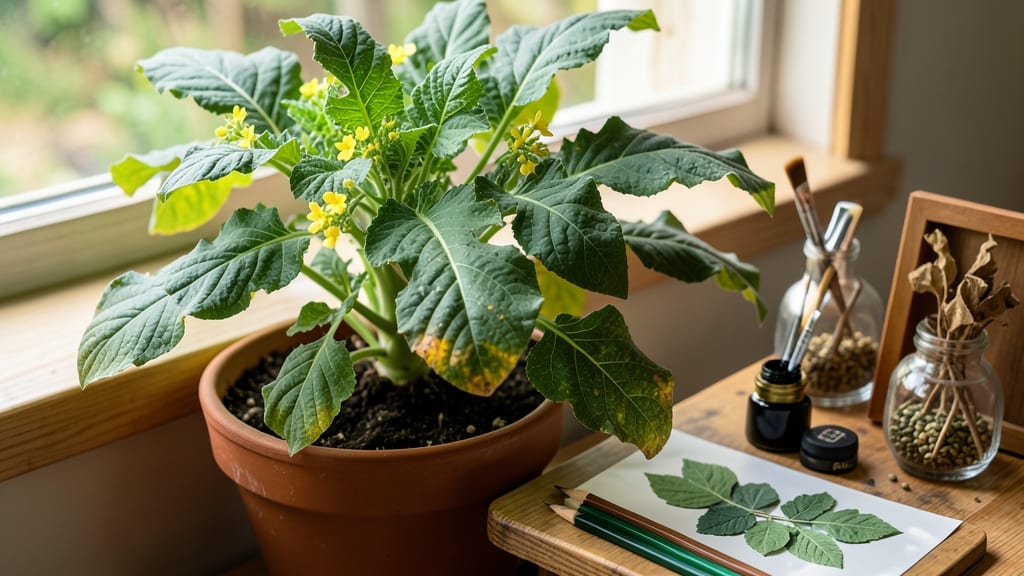
Creating mustard seed art turns your lawn into a living canvas—no paintbrushes required. ✨ The tiny seeds form intricate patterns that bloom into vibrant yellow swirls, perfect for seasonal displays or garden borders.
My first attempt was a simple mandala, and now I can't wait to try wreaths and pressed art with them.
You only need mustard seeds, a stencil or freehand drawing, and a little patience. The seeds spread easily, so work in small sections for crisp lines. For extra flair, mix in different seed varieties for texture. This project works in any sunny spot—containers, flower beds, or even sidewalk cracks.
The results are stunning: bold yellow blooms that contrast beautifully with green grass or garden beds. Kids love helping with the placement, and it’s a great way to add seasonal color without chemicals. Once planted, the seeds self-sow, creating fresh patterns year after year.
Perfect for gardeners who love creativity and natural beauty. Try it this spring—your lawn will thank you! Whether you go for geometric designs or freeform art, the possibilities are endless. Let your green space shine with this simple, satisfying technique.
📚 In This Guide
- What you need
- Instructions
- Tips and common mistakes
- Wrapping up and next steps
What you need
- ● Mustard seeds: 2–4 cups (organic yellow mustard seeds work best for bold color). Pro tip: 💡 Toast the seeds lightly for deeper pigment!
- ● Water: 5–10 gallons (for dye bath and rinsing).
- ● Large pot or bucket: 5+ gallon capacity (stainless steel or enamel-coated for durability).
- ● Strainer or cheesecloth: To filter seeds post-dyeing.
- ● Spray bottles or watering cans: For applying dye to lawn areas.
- ● Gloves & old clothes: Mustard dye stains! Protect your hands and wardrobe.
- ● Natural binders: Cornstarch or flour (1 tbsp) to thicken dye for patterns.
- ● Stencils or chalk: Outline designs before spraying for precision.
- ● Vinegar (1 cup): Adds vibrancy to the dye bath.
- ● Epsom salt (½ cup): Enhances color fastness.
- ● A sunny, dry day for best dye absorption (avoid rain for 24+ hours).
- ● Healthy, mowed lawn (trim grass to 1–2 inches for even coverage).
- ● Access to a hose or garden sprayer for rinsing.
How to create mustard seed art for stunning lawn patterns
Turn your yard into a living canvas with this easy, natural dye technique that blooms into vibrant designs.
🌱 Step 1: Choose Your Design and Prepare the Soil
Sketch your pattern directly on the lawn with chalk or a whiteboard marker—think geometric shapes, borders, or even your initials. Mustard seeds thrive in well-drained soil, so rake the area lightly to loosen the top ½ inch of grass. Remove any debris or clumps, as they’ll create uneven growth later.
Here’s the thing—mustard grows fast, but uneven soil means patchy patterns. Tap the rake handle firmly to settle the soil without compacting it. You’ll know it’s ready when the surface looks smooth and free of rocks or thatch.
💧 Step 2: Plant the Seeds in Your Chosen Pattern
Use a seed spreader or your hand to scatter ½ pound of mustard seeds per 100 square feet along your marked lines. Press them into the soil lightly with a board or your foot—just enough to make contact, not bury them. Overlapping seeds create denser blooms, so space rows 3-4 inches apart for bold coverage.
Don’t skip this step: Water the area immediately after planting. The soil should feel damp 1 inch deep, but not soggy. A light misting keeps seeds in place while they germinate—aim for 5-7 days until tiny green shoots appear.
☀️ Step 3: Maintain Moisture and Sunlight for Growth
Mustard seeds need full sun (6+ hours daily) to grow into their signature bright yellow blooms. Water the area 2-3 times weekly until the plants reach 4-6 inches tall, then reduce to once weekly. Let the top ½ inch of soil dry between waterings to prevent fungal issues.
Watch for weeds creeping into your design—they’ll steal nutrients and dilute your bold patterns. Pull them when small, or spot-treat with vinegar (5% acetic acid) if they appear after germination. The plants will fill in quickly, so stay vigilant for the first 3 weeks.
✂️ Step 4: Enjoy and Reset for Next Season
When the mustard blooms (4-6 weeks after planting), your lawn will burst with color. Let the flowers go to seed for natural reseeding, or mow the area once blooms fade to remove spent plants. The roots will decompose naturally, enriching the soil for future projects.
Real talk: Mustard is annual, so repeat the process each spring for fresh designs. Store leftover seeds in a cool, dry place for up to 2 years—just shake the packet before planting to break up clumps. Your lawn will thank you for the seasonal transformation!
Tips & tricks for perfect mustard seed patterns
Here's what nobody tells you about making your lawn designs pop like a pro.
Design Precision: Use a stencil or grid system for complex patterns—tape a ruler to your chalk lines to create perfectly straight borders. I learned this the hard way after ruining three straight lines trying to freehand a geometric design. For curves, wrap the chalk around a hose or garden tool to create smooth arcs without guesswork.
Soil Prep Secret: In Step 1, work the soil when it's slightly damp—not wet or dry. Press your foot down firmly after raking to create a firm base that won't shift when you plant. This prevents seeds from sinking unevenly, which causes patchy growth. Think of it like preparing a canvas—smooth and stable is everything.
Planting Technique: For Step 2, use a flour sifter or colander to scatter seeds evenly—it creates a more uniform distribution than hand-scattering. Press seeds with a board instead of your foot to avoid compacting the soil around them. The goal is light contact, not burial. Overlapping seeds by 1-2 inches ensures dense coverage while maintaining crisp pattern edges.
Weed Prevention: After planting, lay down cardboard cutouts of your design (like a stencil) and cover with mulch to block weeds completely. Remove the cardboard once plants reach 2 inches tall. This is my game-changer—it eliminates the 3-week vigilance period mentioned in Step 3 while keeping your patterns pristine.
Pro Tips for Mustard Seed Art
- Here's what nobody tells you about making your lawn designs pop like a pro.
- Design Precision: Use a stencil or grid system for complex patterns—tape a ruler to your chalk lines to create perfectly straight borders.
- Soil Prep Secret: In Step 1, work the soil when it's slightly damp—not wet or dry.
Frequently asked questions
Got questions about transforming your lawn into a mustard seed masterpiece? Here are answers to the most common queries—so you can dive in with confidence!
How long does it take for mustard seed lawn art to grow and change color?
The magic starts fast—mustard seeds typically sprout in 5–7 days and reach their vibrant yellow in 3–4 weeks. For bold patterns, aim for 4–6 weeks of full color impact. Timing depends on climate, but cooler temps (50–70°F) speed up the process!
Can I use mustard seeds for lawn art if I have pets or kids?
Mustard seeds are non-toxic and safe for pets/kids once planted, but avoid ingestion (like any seed). The plants are edible but bitter—great for lawn decor, but not a snack! Just monitor play areas until seeds sprout to prevent accidental nibbling.
What’s the best way to remove mustard seed lawn art after it fades?
Once the color fades (usually 6–8 weeks), mow the plants low (1–2 inches) to weaken them, then pull by hand or use a string trimmer. For stubborn patches, a vinegar spray (1:1 ratio) kills roots in 24 hours. Compost the plants—they’re nutrient-rich!
Are there alternatives to mustard seeds for natural lawn art?
Try these low-maintenance options:
- Clover – Green, drought-resistant, and bee-friendly.
- Alyssum – Tiny white/purple flowers for delicate patterns.
- Chicory – Blue flowers that attract pollinators.
- Crimson Clover – Deep red blooms for bold contrast.
Why did my mustard seed art turn patchy or fail to sprout?
Patchiness usually stems from uneven seeding, soil compaction, or dry conditions. Fix it by:
- Re-seeding thin spots with fresh mustard seeds.
- Lightly raking the soil to improve contact.
- Watering daily (1/4 inch) until germination.
Wrapping up and next steps
Mustard seed art is a creative, eco-friendly way to transform your lawn into a vibrant canvas using natural dyes and simple techniques. Whether you're drawn to bold geometric designs or flowing organic patterns, this method proves that sustainability and beauty go hand in hand. 🌿✨
Now that you’re inspired, why not start small? Grab a handful of mustard seeds, pick a sunny patch of grass, and let your imagination run wild. Share your masterpiece with us—we’d love to see your lawn become a work of art!