
Lawn
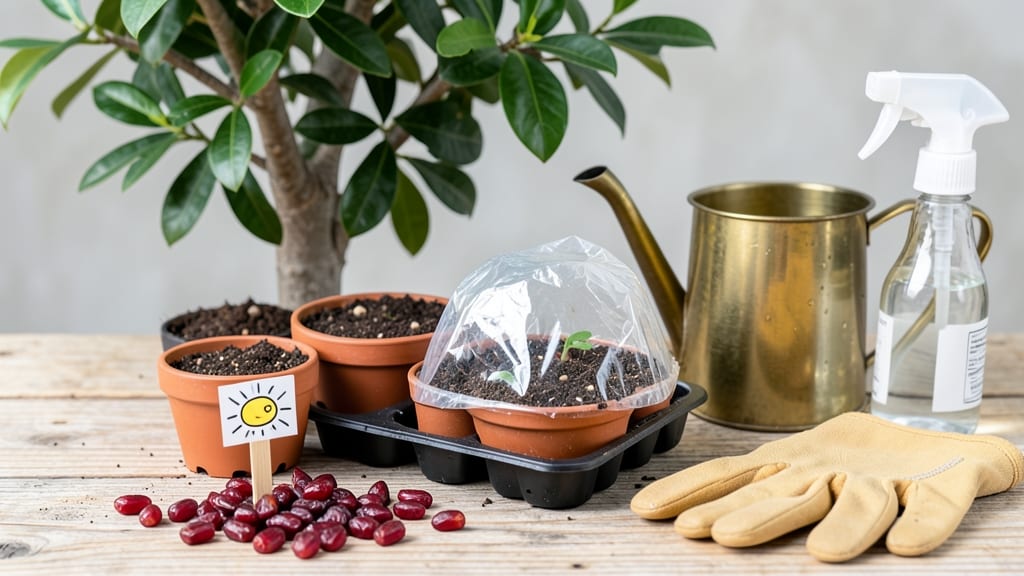
Extracting pomegranate seeds without the messy pulp is the secret to how to seed a pomegranate easily—and this knife technique makes it foolproof. 🌱 I’ve tried every method—from squeezing fruit to soaking seeds—and this approach cuts the guesswork, giving you clean seeds ready to plant in under 5 minutes.
The key? A sharp knife, patience, and knowing exactly where to slice.
You’ll need just three things: ripe pomegranates, a sturdy knife, and a bowl of water. Skip the strainers or colanders—this method works even with thick-skinned varieties. The goal is to separate seeds from the arils (the juicy red bits) without crushing them, which ensures they stay viable for planting.
Once you’ve got your seeds, germination is straightforward: soak them overnight, then plant them ½ inch deep in well-draining soil. Keep the soil moist but not soggy, and place them in bright, indirect light. Within 2-4 weeks, you’ll see those first tiny leaves—proof you’ve done it right.
This method works for both sweet and ornamental pomegranates, and it’s foolproof for beginners. No more wasted seeds or pulp everywhere—just clean, ready-to-grow seeds that’ll give you a head start on a thriving pomegranate tree.
📚 In This Guide
- What you need
- Instructions
- Tips and common mistakes
- Wrapping up and next steps
What you need
- ● 1 ripe pomegranate – Choose one with a deep red hue and firm skin (avoid soft or shriveled ones).
- ● 1 sharp chef’s knife – A 6- to 8-inch knife with a serrated edge works best for clean cuts.
- ● 1 cutting board – A sturdy, non-slip board (wood or plastic) to protect your countertop.
- ● 1 bowl or colander – A wide-mouth container (8+ inches) to catch seeds and arils (the juicy bits).
- ● Paper towels or clean cloth – For drying hands and wiping up stray juice.
- ○ Water (optional but helpful) – A small bowl of water to rinse seeds if planting.
- ● Food processor or blender – For quick seed extraction (skip cutting—just blend the arils!).
- ● Gloves – If you’re sensitive to pomegranate stains or juice.
- ● Small strainer – To separate seeds from excess juice if saving for planting.
- ● Plastic bag or airtight container – For storing seeds if propagating later.
Step-by-Step instructions for extracting pomegranate seeds easily
Here's the foolproof method I use every fall—no sticky mess, no wasted seeds.
🍇 Step 1: Choose and Prepare the Pomegranate
Select a firm, heavy pomegranate with deep red skin—this means it's ripe and juicy inside. I always pick the largest one available because the seed-to-pulp ratio is better. Cut it in half horizontally using a sharp chef's knife, then place the cut sides down on a clean cutting board.
Gently tap the halves against each other a few times to loosen the seeds. You'll hear them rattle inside—that's your signal they're ready to come out. Don't worry if some seeds stay stuck; we'll handle those next. The goal here is to release as many as possible without crushing them.
🔪 Step 2: Use the Knife Technique to Extract Seeds
Here's the thing—most people try to scoop seeds out, but that leaves juice everywhere. Instead, take your sharp knife and carefully slide it along the inner membrane where the seeds cling. Angle the blade slightly downward to lift the seeds cleanly without piercing the arils (those juicy sacs holding the seeds).
Work your way around the entire half, using gentle pressure. You'll see the seeds pop free one by one. For stubborn clusters, I tap the knife lightly against the board first to loosen them, then scrape again. This method keeps your hands dry and the seeds intact—no sticky residue to clean up.
💧 Step 3: Rinse and Separate the Seeds
Place the extracted seeds in a fine-mesh strainer and rinse them thoroughly under cool running water. This removes any lingering juice and membrane fragments. Swirl the strainer gently to ensure all seeds are exposed to the water flow. You'll notice the clean seeds settle at the bottom while debris floats away.
Once rinsed, spread the seeds on a clean kitchen towel or paper towels. Let them air dry completely—this prevents mold and makes them easier to store. I usually leave them in a single layer for about 30 minutes, flipping them once to ensure even drying.
⏰ Step 4: Store for Planting or Consumption
For immediate use, store the dried seeds in an airtight container in a cool, dark place. If you're planting, keep them in the fridge for up to a month—this mimics winter dormancy and improves germination rates. For long-term storage, place the container in the freezer where seeds can last up to a year.
When ready to plant, soak the seeds in warm water for 24 hours before sowing. This softens the hard outer shell and speeds up germination. I always label my containers with the date—pomegranate seeds can take 3-4 weeks to sprout, so patience is key. The perfect extraction means you'll have healthy seeds ready when you're ready to grow!
Tips & tricks for perfect pomegranate seed extraction
These little tricks will transform your seed extraction from a sticky mess into a clean, efficient process every time.
Selection Tip: The larger the pomegranate, the better the seed-to-pulp ratio. Look for fruit that feels heavy for its size and has deep red skin—this indicates maximum juice content and seed yield. I've found that pomegranates weighing 12-16 ounces consistently give the most seeds with minimal membrane waste. The weight tells you more about ripeness than the color alone.
Knife Technique: In Step 2, the angle of your knife makes all the difference. Hold the blade at a 30-degree angle to the cutting board and press gently against the inner membrane where seeds cling. This creates a natural separation without piercing the arils. For stubborn clusters, I find tapping the knife lightly against the board first loosens them—think of it like tapping a paint can to get the last drops out. This prevents crushing seeds while maximizing yield.
Drying Strategy: The 30-minute drying time in Step 3 is crucial for storage longevity. Spread seeds in a single layer on paper towels and flip them halfway through. If you're short on time, you can speed this up to 20 minutes by using a clean kitchen towel instead of paper towels—they absorb more moisture. Just make sure they're completely dry before storing, or you'll risk mold development. A quick test: if seeds stick together when you try to separate them, they need more drying time.
Planting Preparation: The 24-hour soak before planting isn't just about softening the shell—it's also a great time to separate any remaining membrane fragments. Place seeds in a bowl of warm water and swish gently. The good seeds will sink while any remaining pulp or membranes will float. This gives you perfectly clean seeds ready for planting without extra handling.
Pro Tips for Seed A Pomegranate Easily
- These little tricks will transform your seed extraction from a sticky mess into a clean, efficient process every time.
- Selection Tip: The larger the pomegranate, the better the seed-to-pulp ratio.
- Knife Technique: In Step 2, the angle of your knife makes all the difference.
Frequently asked questions
Got questions about seeding pomegranates? You’re not alone!
Whether you're prepping for a recipe or curious about the process, here are answers to the most common queries—plus a few pro tips to make your pomegranate seeding experience smoother than ever.
Can I seed a pomegranate without cutting it open?
Not easily! Pomegranates have tough, leathery skins, and their seeds (arils) are nestled inside a spongy membrane. While some try to squeeze or roll the fruit, the knife technique is the fastest and cleanest method. For a no-mess alternative, try submerging the fruit in water and gently breaking it apart—but expect some juice splatter!
How long does it take to seed a pomegranate?
With the right tools, you can seed a single pomegranate in 30 seconds to 2 minutes. If you’re new to the knife method, it might take a little longer (5–10 minutes) as you get the hang of slicing and separating the arils. Pro tip: Practice on a smaller pomegranate first—they’re easier to handle!
What’s the best way to use pomegranate seeds after seeding?
Versatility is the name of the game! Use fresh arils in:
- Salads (they add a juicy crunch!)
- Smoothies (blend with yogurt or fruit)
- Desserts (sprinkle on cakes, pancakes, or ice cream)
- Drinks (pomegranate juice, cocktails, or mocktails)
For storage, keep seeds in an airtight container in the fridge for up to 5 days or freeze them for up to 3 months.
Why is my pomegranate so hard to seed? Troubleshooting tips!
If your pomegranate feels unusually tough or the arils are stubborn, try these fixes:
- Check ripeness: A ripe pomegranate will yield slightly when gently squeezed.
- Use a sharper knife: A dull blade can crush the arils or make slicing difficult.
- Warm it up: Place the pomegranate in warm water for 5–10 minutes to soften the skin.
- Avoid overcrowding: If the fruit is packed with seeds, slice it into quarters first for easier access.
Still struggling? It might be a varietal difference—some pomegranates (like ‘Wonderful’) are easier to seed than others.
Can I grow a pomegranate tree from a seed?
Yes, but it’s a long-term project! Pomegranate seeds can sprout into trees, but they may not produce fruit true to the parent plant. If you’re patient, plant the seeds ½ inch deep in well-draining soil, keep them moist, and expect germination in 2–4 weeks. For faster results, opt for a grafted nursery tree!
Wrapping up and next steps
Seeding a pomegranate doesn’t have to be messy or complicated—with the right technique, you can extract those juicy arils with ease! 🌟 Whether you’re prepping for a recipe, garnishing a dish, or simply enjoying a snack, mastering this no-mess method saves time and frustration.
Now that you’re equipped with the perfect knife trick, it’s time to put your skills to the test.
Ready to elevate your kitchen game? Grab a ripe pomegranate, follow your newfound technique, and savor the sweet reward! 🍇 For even more gardening or culinary adventures, explore how to grow your own pomegranate tree next—because why stop at just enjoying the fruit?