
Lawn
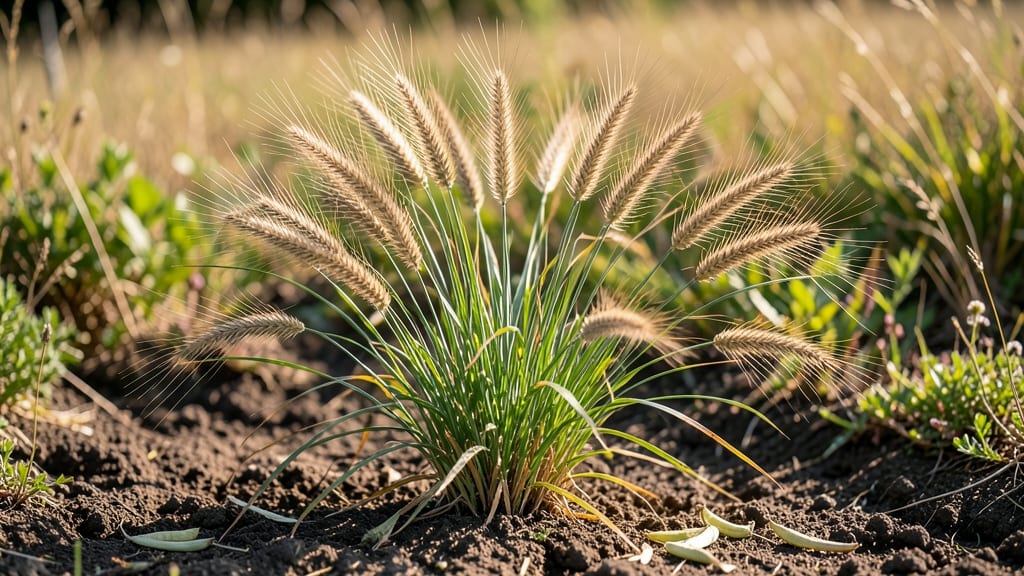
Those dramatic spiky seed pods transform any yard into a textured winter masterpiece. ✨ I’ve grown fountain grass and feather reed grass for years, and their architectural beauty—especially when dusted with frost—makes them my go-to for year-round interest.
They thrive where other plants fade, turning brown stems into striking silhouettes against snow.
The best part? They’re low-maintenance once established. Most varieties handle full sun to partial shade, tolerate poor soil, and survive down to 10°F without extra protection. Just water deeply during the first growing season, then let nature take over.
Their feathery plumes add movement to borders, containers, or even as standalone statement plants.
You’ll love how they adapt—whether you’re filling a shady corner, creating a prairie-style border, or adding height to a flowerbed. Start with divisions or seeds in spring, and within 3-5 years, you’ll have lush clumps that outlast seasonal trends.
The best varieties, like ‘Karl Foerster’ or ‘Little Sprite,’ stay compact yet dramatic.
For winter interest, leave the seed heads until spring—they feed birds and add structure when everything else is dormant. Divide clumps every 3-4 years to keep them vigorous, and watch your garden stay stunning through every season. Here’s how to make them thrive in your space!
📚 In This Guide
- What you need
- Instructions
- Tips and common mistakes
- Wrapping up and next steps
What you need
- ● Seed Varieties: 1 lb Pennisetum alopecuroides (Fountain Grass) – Cold-hardy, spiky seed heads
- ● 1 lb Miscanthus sinensis (Maiden Grass) – Dramatic plumes, winter interest
- ● ½ lb Stipa tenuissima (Feather Reed Grass) – Ultra-fine, spiky seed pods
- ● Soil Prep: 10 sq ft of compost (for nutrient-rich soil)
- ● 1 bag slow-release fertilizer (10-10-10 ratio)
- ● Tools: Garden rake (for leveling soil)
- ● Hand trowel or broadcast spreader (for seeds)
- ● Watering can or hose with adjustable nozzle
- ● Mulch (straw or shredded bark) – Retains moisture and suppresses weeds
- ● Organic mulch ring (for young plants)
- ● Cold-frame or frost cloth (if planting early/late season)
- ● Pruning shears (for shaping mature plants)
How to establish cold-resistant ornamental grasses with architectural seed heads
These grasses add winter interest and texture—here's how to plant and maintain them for year-round impact.
🌱 Step 1: Select and Prepare Planting Sites
Choose grasses with natural cold hardiness like Miscanthus sinensis, Pennisetum alopecuroides, or Stipa tenuissima—all thrive in USDA Zones 4-9. Plant in full sun to partial shade (at least 6 hours of direct light daily) for optimal seed head development. Avoid low-lying areas where frost collects, as prolonged moisture encourages rot.
Test soil drainage by digging a 6-inch deep hole and filling it with water. If it drains in under 2 hours, the site is suitable. Amend heavy clay with 2-3 inches of compost and 1 inch of coarse sand to improve aeration. These grasses tolerate poor soil but grow most vigorously in slightly acidic to neutral pH (6.0-7.5).
🪴 Step 2: Plant Bare-Root or Container-Grown Specimens
For bare-root grasses, soak roots in lukewarm water for 1 hour before planting to revive dormant tissue. Dig holes twice as wide as the root ball but only as deep—the crown should sit 1 inch above soil level to prevent suffocation. Space plants 3-5 feet apart (check variety tags—some like Miscanthus need more room).
Container-grown grasses can be planted year-round, but early spring or fall gives roots 6-8 weeks to establish before extreme temperatures. Backfill with native soil mixed with 1 part compost, tamp gently, and water deeply to eliminate air pockets. Mulch with 2 inches of shredded bark to retain moisture while allowing airflow.
☀️ Step 3: Water and Fertilize for First-Year Establishment
Water 2-3 times weekly for the first month, keeping soil 2-3 inches deep consistently moist (not soggy). After root establishment, reduce to once weekly unless drought occurs. These grasses are drought-tolerant once established but need deep, infrequent watering to develop strong root systems. Overhead watering encourages fungal diseases—use soaker hoses at soil level.
Apply a balanced 10-10-10 fertilizer at planting, then again in early spring (when new growth emerges). Avoid high-nitrogen fertilizers—they promote leafy growth at the expense of seed heads. In Zone 5 and colder, withhold fall fertilization to encourage winter hardiness.
✂️ Step 4: Prune and Maintain for Seasonal Interest
Cut back brown foliage in late winter (just before new shoots appear) to make room for fresh growth. Never remove last year's seed heads until early spring—they provide winter structure and bird habitat. For aggressive spreaders like Imperata cylindrica, divide clumps every 3-4 years in early spring to control size.
Divide grasses when crowns become overcrowded (usually 3-5 years after planting). Dig up the entire clump, separate with a sharp spade, and replant divisions immediately. This rejuvenates growth and prevents seed head decline from overmaturity. Apply a slow-release fertilizer after dividing to support recovery.
⏰ Step 5: Protect and Prepare for Winter Dormancy
In Zones 4-5, mound 4-6 inches of mulch around the base in late fall to insulate roots. Remove mulch in early spring before new growth begins. Avoid pruning until late winter—frost can damage tender new shoots. If heavy snow accumulates, gently brush it off to prevent stem breakage from weight.
These grasses thrive on neglect once established, but annual pruning keeps them tidy and encourages denser seed head production. Watch for rust or leaf spot (brown spots on foliage)—treat with neem oil if detected. With proper care, your grasses will provide year-round texture, from spring's fresh shoots to winter's architectural seed pods.
Tips & tricks for perfect cold-resistant ornamental grasses
Here's what I've learned from years of working with these architectural plants to keep them thriving through winter.
Site Selection Wisdom: Pay special attention to the 6 hours of sunlight requirement in Step 1—this is non-negotiable for seed head development. If your site gets less, consider Miscanthus sinensis 'Malepartus', which tolerates partial shade better than most varieties. I've seen dramatic differences in seed head density between full-sun and partial-shade plants of the same species. Also, avoid planting near downspouts where water pools—these grasses hate soggy roots.
The 1-Hour Soak Secret: Don't skip that 1-hour lukewarm water soak for bare-root grasses in Step 2. I've planted without it and always noticed slower establishment. The warm water revives dormant roots and helps them absorb moisture immediately. For container-grown plants, give the root ball a quick rinse to remove any nursery soil that might inhibit root contact with your prepared bed.
Watering Technique: When establishing your grasses, focus on deep, infrequent watering rather than frequent light watering. The instructions mention keeping soil 2-3 inches deep moist, but I've found using a moisture meter is even better—aim for 40-50% moisture at that depth. This encourages deep root growth, which is crucial for winter hardiness. In clay soils, consider installing French drains if water pools after heavy rains.
Fertilizer Timing: The 10-10-10 fertilizer application in Step 3 should be your only feeding in the first year. I've seen gardeners over-fertilize and end up with lush foliage but sparse seed heads. For subsequent years, switch to a low-nitrogen, high-phosphorus fertilizer (like 5-10-10) in early spring to support seed head development. In Zone 5, I always hold off on fall fertilization—it encourages late growth that won't harden off properly before winter.
Pro Tips for Grass With Spiky Seed Pods
- Here's what I've learned from years of working with these architectural plants to keep them thriving through winter.
- Site Selection Wisdom: Pay special attention to the 6 hours of sunlight requirement in Step 1—this is non-negotiable for seed head development.
- The 1-Hour Soak Secret: Don't skip that 1-hour lukewarm water soak for bare-root grasses in Step 2.
Frequently asked questions
What types of grass have spiky seed pods, and are they cold-hardy?
Cold-resistant grasses with spiky seed pods include orchardgrass, timothy, and ryegrass. These varieties thrive in chilly climates (USDA Zones 3–8) and develop those signature seed heads in late summer or fall. For year-round beauty, opt for fine fescue—it’s tough, low-maintenance, and stays green even in frost!
When do spiky seed pods appear, and should I remove them?
Seed pods typically emerge in late summer to early fall as the grass prepares for dormancy. While they’re harmless, you can trim them for a cleaner look. Use sharp shears (never a weed whacker!) to avoid damaging the grass blades. Pro tip: Wait until after frost for easier cleanup—frozen seed heads snap off with minimal effort!
Will these grasses spread aggressively, or can I keep them contained?
Most spiky-seeded grasses (like orchardgrass) spread via rhizomes or stolons, so they may fill in gaps—but not invasively. To control spread, mow regularly (3–4 inches high) and edge borders with a sharp spade. For non-spreading options, try chewing’s fescue or hard fescue, which stay put while still offering cold resistance.
How do I troubleshoot brown patches or thin spots in cold-resistant grass?
Brown patches often signal fungal issues (like snow mold) or over/under-watering. First, check soil moisture—grass should feel damp 1 inch below the surface. If fungus is suspected, apply a copper-based fungicide in early spring. For thin spots, overseed in early fall with the same variety for uniformity. Bonus: Aerate compacted soil to boost root health!
Are there alternatives to grass with spiky seed pods for a low-maintenance lawn?
Yes! If you dislike seed heads, consider clover mixes (nitrogen-fixing, drought-tolerant) or sedges (like creeping red fescue), which stay green and rarely produce spikes. For a zero-mow option, try microclover or moss—both handle cold and require zero trimming. Just note: These may need occasional raking to remove debris.
Wrapping up and next steps
Transforming your lawn with cold-resistant grasses featuring spiky seed pods isn’t just about aesthetics—it’s about creating a resilient, evergreen space that thrives in any season! 🌿 From Carex muskingumensis to Panicum virgatum, these varieties offer texture, durability, and year-round charm with minimal effort.
Whether you’re a seasoned gardener or just starting, the right grass can turn your outdoor space into a lush, low-maintenance masterpiece.
Ready to take the next step? Start small—plant a few patches to test what works best in your climate, then expand as you gain confidence. Check out our planting guide for tips on soil prep, spacing, and care. Your dream lawn is just a seed away! 🌱