
Size
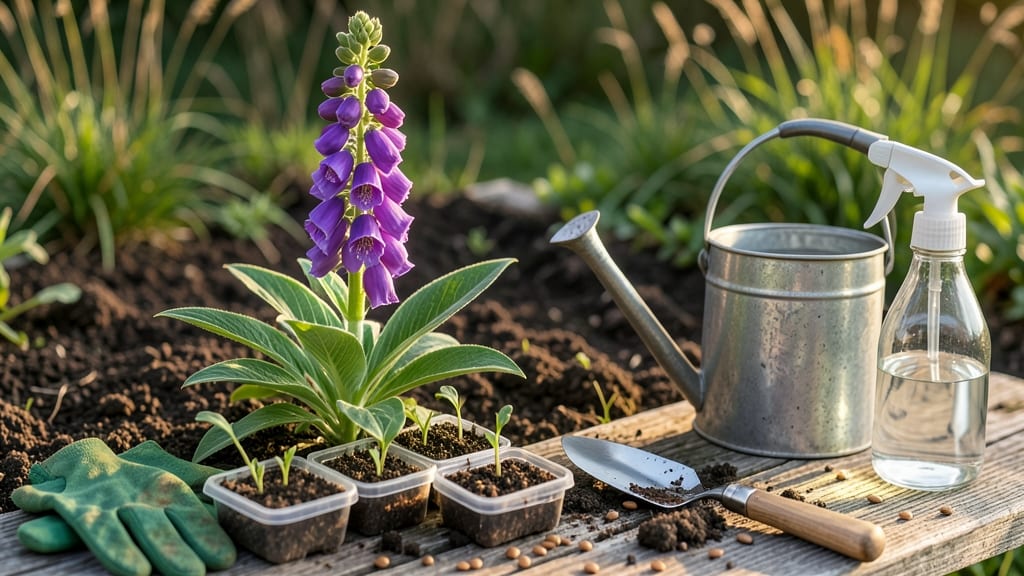
Growing foxglove seed in a garden means moist soil and patience—this biennial beauty rewards you with towering spikes of bell-shaped blooms after just one growing season. 🌱 I’ve learned the hard way that dry soil kills germination rates, but the right prep transforms those tiny seeds into sturdy seedlings that thrive year-round in temperate zones.
The secret lies in cold-moist stratification, a process that mimics winter’s natural conditions to coax seeds awake when they’re ready. You’ll need a well-draining seed-starting mix, a shallow tray, and a plastic bag for humidity control—no fancy equipment required.
Plant seeds just ¼-inch deep and keep them consistently damp (not soggy) while chilling in the fridge for 4-6 weeks. This mimics the cold period foxglove seeds need to break dormancy, setting the stage for reliable germination once spring arrives.
By the time those first green shoots appear, you’ll have strong, stocky seedlings ready to transplant outdoors after the last frost.
The key is patience: foxglove seeds can take 2-3 weeks to germinate, but once they do, they’ll grow into those iconic spires that make every garden feel like a storybook. Just remember—foxglove is toxic to pets and humans, so keep it away from curious hands and paws.
This method works for both biennial and perennial varieties, depending on your climate. In colder regions, foxglove often self-seeds, giving you free plants for years. For faster results, direct-sow in fall or early spring—just be prepared for the wait. The payoff?
Dramatic blooms that attract hummingbirds and add vertical drama to any garden corner.
📚 In This Guide
- What you need
- Instructions
- Tips and common mistakes
- Wrapping up and next steps
What you need
- ● Foxglove seeds: 1–2 packets (ensure they’re fresh or stored in a cool, dry place). Pro tip: Seeds from reputable suppliers (like Baker Creek or Burpee) yield the best germination rates! 🌱
- ● Seed-starting mix: 1–2 bags (2–3 quarts each) of lightweight, sterile potting soil (avoid garden soil—it’s too dense!). Look for labels like "seed-starting mix" or "cactus/succulent blend."
- ● Containers: Seed trays or flats: 1–2 shallow trays (10"x20") with drainage holes.
- ● OR Small pots (3–4" diameter, 1–2 per seed) with drainage holes.
- ● Grow lights or sunny windowsill: A full-spectrum LED grow light (12–16 hours/day) or a south-facing window (if natural light is strong).
- ● Misting bottle or spray nozzle: For gentle watering (avoid drowning those tiny seeds!).
- ● Plastic wrap or humidity dome: 1 sheet to cover trays and retain moisture.
- ○ Heat mat (optional but helpful): A seedling heat mat (set to 70–75°F) speeds up germination.
- ● Fertilizer: A balanced, water-soluble fertilizer (5-10-5 or 10-10-10) for post-germination care.
- ● Grow tent or propagation station: Creates a controlled environment for humidity and warmth.
- ● pH test kit: Ensures your soil is slightly acidic (pH 6.0–6.5) for optimal germination.
- ● Label markers: To track seed varieties (foxglove seeds can look similar!).
- ● Fungicide (like neem oil): Prevents damping-off disease in moist conditions.
- ● Transplanting tools: Small trowel or spoon for delicate seedlings.
Step-by-Step instructions for growing foxglove from seed
Here's how to break the foxglove germination barrier using cold-moist stratification.
🌱 Step 1: Prepare the Seeds for Cold-Moist Stratification
Foxglove seeds need 60-90 days of cold-moist treatment to break dormancy. Start by placing seeds in a paper towel or moistened seed-starting mix inside a sealed plastic bag. I like to use a quart-sized bag with a few drops of water—just enough to dampen the towel or mix without making it soggy.
Seal the bag and place it in your refrigerator's crisping drawer (around 35-40°F). This mimics winter conditions and triggers germination. Check the bag weekly—if condensation forms, open it briefly to release excess moisture. You'll see the seeds soften slightly after 3-4 weeks, signaling the stratification process is working.
💧 Step 2: Sow Stratified Seeds in Containers
Once seeds have undergone 60-90 days of cold treatment, remove them from the refrigerator and sow in 2-3 inch deep containers filled with well-draining seed-starting mix. Plant seeds ¼ inch deep—any deeper delays germination because the seedling must push through more soil. I use small cell packs for individual plants, as foxglove seedlings are delicate and don’t transplant well.
Water gently with a spray bottle until the soil is evenly moist but not waterlogged. Place the containers in a bright, indirect light spot (like a north-facing window) and cover them with a clear plastic dome or plastic wrap to retain humidity. Germination typically occurs in 10-21 days, but be patient—some seeds may take longer.
☀️ Step 3: Provide Optimal Light and Temperature
Once seedlings emerge, remove the plastic cover immediately to prevent damping-off disease. Place the seedlings under grow lights or in a south-facing window where they’ll receive 12-14 hours of light daily. Foxglove seedlings grow best at 60-65°F during the day and 50-55°F at night—avoid overheating, which can stunt growth.
You’ll notice the first true leaves appear after 4-6 weeks. At this stage, seedlings are ready for fertilizer—use a diluted balanced liquid fertilizer (like 10-10-10) at half strength. Avoid overwatering; let the top inch of soil dry out between waterings to prevent root rot.
🪴 Step 4: Harden Off and Transplant Seedlings
When seedlings reach 3-4 inches tall and have developed 4-5 true leaves, they’re ready for hardening off. Gradually introduce them to outdoor conditions by placing them outside in a sheltered spot for 1-2 hours the first day, increasing exposure by 1 hour daily over 10-14 days. This process strengthens seedlings and reduces transplant shock.
Choose a partially shaded spot in your garden for transplanting, as foxglove prefers morning sun and afternoon shade in warmer climates. Dig holes slightly larger than the root ball and space seedlings 12-18 inches apart. Water deeply after transplanting to help roots establish in the new soil. Mulch around the base with 2-3 inches of organic mulch to retain moisture and suppress weeds.
Tips & tricks for perfect foxglove germination
Foxglove seeds are notorious for their stubbornness, but these key strategies will help you crack the germination code every time.
Cold Stratification Consistency: The 60-90 day cold treatment is non-negotiable for foxglove seeds. I've found that using a refrigerator's crisping drawer (around 35-40°F) provides the most stable conditions. Mark your calendar when you start—this process mimics winter's natural dormancy period that triggers germination. If you're impatient, you can check seed softness after 3-4 weeks as an early indicator, but don't rush the full period.
Moisture Management: The secret to successful stratification lies in maintaining consistent moisture without drowning the seeds. Use a quart-sized bag with just enough water to dampen (not soak) your paper towel or seed-starting mix. I like to add a few drops of water, seal the bag, and give it a gentle shake to distribute moisture evenly. Too much water creates anaerobic conditions that can rot seeds, while too little prevents the necessary hydration for dormancy breaking.
Light and Temperature Balance: Once your seedlings emerge in Step 3, that 12-14 hours of daily light becomes critical. I've seen foxglove seedlings stretch painfully toward light sources when they don't get enough, leading to weak stems. Place your seedlings under grow lights if natural light is insufficient—foxglove prefers bright but indirect light. The day/night temperature range (60-65°F/50-55°F) creates the perfect diurnal cycle for healthy growth. Avoid placing them near heat sources or drafts that could disrupt this balance.
Pro Tips for Foxglove Seed Grow A Garden
- Foxglove seeds are notorious for their stubbornness, but these key strategies will help you crack the germination code every time.
- Cold Stratification Consistency: The 60-90 day cold treatment is non-negotiable for foxglove seeds.
- Moisture Management: The secret to successful stratification lies in maintaining consistent moisture without drowning the seeds.
Frequently asked questions
Got questions about growing foxglove from seed?
You’re not alone! Here are the most common concerns—and straightforward answers—to help you cultivate these stunning blooms with confidence.
How long does it take for foxglove seeds to germinate?
Foxglove seeds are notoriously slow to sprout—often 6 to 12 months in cold, moist conditions. Patience is key! Stratify seeds in damp peat moss or a cold frame for best results. Avoid rushing germination; this process mimics their natural winter dormancy.
Can I grow foxglove indoors before transplanting?
Yes, but with caution. Start seeds in pots with well-draining soil and keep them in a cool (40–50°F) spot (like a refrigerator) for stratification. Once sprouted, move to bright, indirect light. Transplant outdoors only after the last frost and when seedlings are sturdy.
Why aren’t my foxglove seedlings growing tall?
Foxglove is a biennial, meaning it focuses on root and leaf growth in its first year. Slow growth is normal! Ensure they get partial shade and moist (not soggy) soil. Overcrowding or poor soil can stunt them further—thin seedlings to 12–18 inches apart for better airflow.
Are foxglove seeds toxic to pets or kids?
Yes!
All parts of foxglove (including seeds) contain digitalis, a toxin harmful to pets and children. Keep plants out of reach. If ingestion occurs, contact a vet or poison control immediately. Opt for pet-safe alternatives like hollyhocks or snapdragons if needed.
What’s the best way to harvest foxglove seeds for next year?
Wait until seed pods turn brown and split open (late summer/fall). Collect seeds, dry them in a paper bag, and store in a cool, dark place for up to 2 years. Label them—foxglove varieties vary wildly! For faster blooms, buy fresh seeds annually from reputable suppliers.
Wrapping up and next steps
Growing foxglove from seed is a rewarding journey that brings year-round beauty to your garden with minimal fuss—once you master the cold-moist prep trick! By following these steps, you’ll unlock reliable germination and stunning blooms, even in cooler climates.
Now that you’re armed with the right techniques and tips, there’s no better time to start.
Ready to transform your garden? Plant those seeds this season and watch your foxglove thrive! For extra inspiration, explore companion plants or creative ways to display their towering spikes—your garden will thank you. 🌸