
Lawn
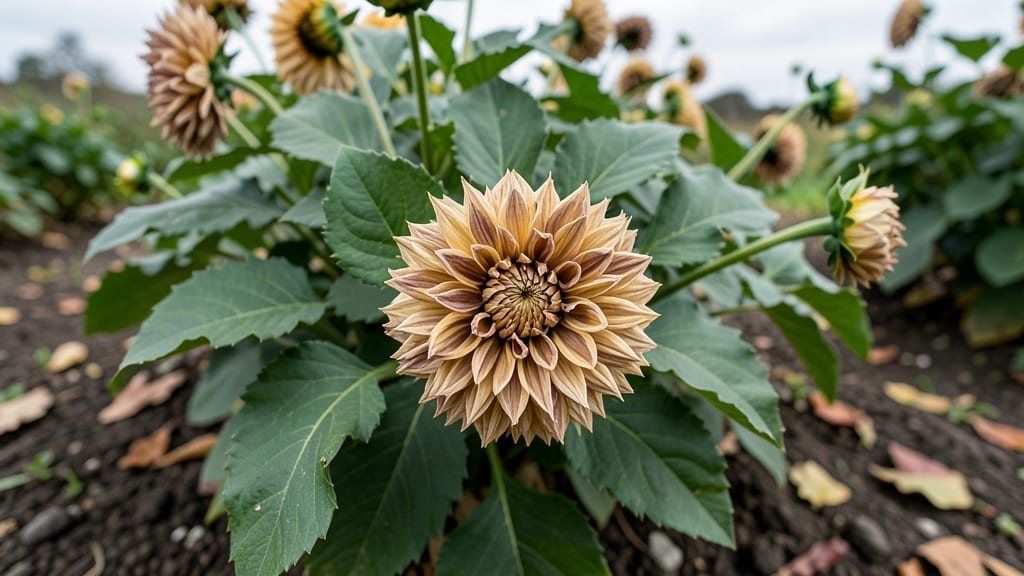
Saving dahlia seed heads from those iconic zero-twist pods might seem tricky, but it’s easier than you think. 🌼 I’ve turned my garden’s spent blooms into next year’s star dahlias using just a few simple steps—no fancy equipment needed.
The secret starts with letting a few blooms go to seed instead of deadheading every last one. Once those papery seed heads form, they’re shockingly resilient—just leave them on the plant until they dry completely, then harvest.
No twisting, no fuss, just dry pods that open like little treasure chests. You’ll end up with seeds that produce plants just as vibrant as their parents, often even more vigorous.
The process takes about 8-10 weeks from bloom to seed, but the payoff is worth it—imagine growing your own heirloom varieties for pennies per seed. Works for all dahlia types, from dinner-plate blooms to tiny pom-poms. Here’s how to do it without the guesswork!
📚 In This Guide
- What you need
- Instructions
- Tips and common mistakes
- Wrapping up and next steps
What you need
- ● Mature dahlia plants – Choose healthy, disease-free varieties with fully developed zero-twist seed heads (look for dried, papery pods).
- ● Sharp pruning shears or scissors – For cleanly harvesting seed heads without damaging stems.
- ● Paper bags or breathable mesh bags – 2–3 medium-sized bags (12x15 inches) to collect and dry pods. Avoid plastic to prevent mold.
- ● Labeling tags & permanent marker – To tag each bag with the dahlia variety and harvest date.
- ● Drying tray or cardboard box – A flat, elevated surface (like a wire rack) to air-dry pods for 2–4 weeks.
- ● Small bowl or envelope – For storing cleaned seeds once pods are fully dried.
- ● Desiccant packets – Place 1–2 in your drying bags to speed up moisture removal (great for humid climates!).
- ● Fine mesh sieve – For gently separating seeds from chaff if pods are stubborn.
- ● Spray bottle with water – To lightly mist pods if your climate is too dry during drying.
- ● Seed-saving journal – To track germination rates, pod appearance, and notes on each variety.
How to save dahlia seeds using zero-twist pods
Here's my foolproof method for collecting dahlia seeds—no tangles, no fuss, just clean, dry pods ready for next season.
🌱 Step 1: Select and Prepare Mature Seed Heads
Wait until your dahlia blooms have fully matured and the petals have fallen away naturally, leaving behind the puffball-like seed head. Choose heads that are completely dry and brown—this ensures seeds are fully developed and won't mold. Use clean, sharp scissors to snip the stems about 2 inches below the seed head.
I like to work on a dry, sunny day when humidity is low. This prevents any accidental moisture from sticking to the seed heads, which can lead to mold later. Lay the cut heads on a clean sheet of newspaper or paper towels to catch any stray seeds or debris that might fall off during handling.
💧 Step 2: Dry the Seed Heads Thoroughly
Place the cut seed heads in a well-ventilated area, like a mesh bag or a cardboard box with holes punched in the sides. Keep them out of direct sunlight to prevent overheating, which can damage the seeds inside. Let them dry for 1-2 weeks, or until the seed heads crumble easily when gently squeezed.
You'll know they're ready when the outer casing turns brittle and the seeds inside rattle when shaken. If you're unsure, split one open—seeds should be dark and dry, not soft or moist. This step is critical: damp seeds won't store well and may spoil before planting season.
✂️ Step 3: Open the Seed Heads and Remove Seeds
Once fully dry, carefully open each seed head by gently squeezing it between your fingers or tapping it lightly on a hard surface. The seeds will spill out—collect them in a clean, dry container. I use a small paper envelope or a glass jar with a lid to keep them organized by variety.
Discard any empty or shriveled seed casings, as well as any seeds that look discolored or damaged. A good seed should feel firm and plump, with a smooth, unblemished surface. If you notice any fuzzy growth on the seeds, toss them—they’re likely contaminated with mold.
🪴 Step 4: Store Seeds Properly for Next Season
Label your seed containers with the dahlia variety and the year harvested. Store them in a cool, dark place, like a sealed container in your refrigerator or a sealed envelope in a drawer. Seeds will stay viable for 1-2 years if stored correctly.
Here's the thing—dahlia seeds are sensitive to moisture and light, so avoid plastic bags, which trap humidity. A small glass jar with a tight lid works perfectly. Check them once a year to ensure no mold or pests have taken hold. When spring rolls around, you'll have fresh, ready-to-plant seeds for a whole new batch of dahlias!
Tips & tricks for perfect dahlia seed saving
These simple strategies will help you avoid common pitfalls and ensure your dahlia seeds stay fresh and viable for planting.
Timing Secret: Harvest your seed heads when the petals have completely fallen away and the center turns brown and papery. This usually happens about 2-3 weeks after the bloom opens. If you harvest too early, the seeds won't be fully developed, and if you wait too long, they may scatter naturally or become moldy. I've learned this the hard way—waiting for that perfect moment makes all the difference!
Drying Strategy: For the 1-2 week drying period in Step 2, I recommend placing your seed heads in a mesh bag or a cardboard box with holes. This airflow is crucial—it prevents moisture buildup that can lead to mold. If you're in a humid climate, consider adding a small packet of silica gel to absorb excess moisture during drying. The goal is to create a seed head that crumbles easily when squeezed—this tells you the seeds inside are perfectly dry and ready.
Seed Quality Check: When opening the seed heads in Step 3, look for seeds that are dark, firm, and plump. Any seeds that are light-colored, shriveled, or have fuzzy growth should be discarded immediately. I've found that using a small paper envelope or glass jar helps keep the seeds organized by variety, and it's easier to spot any problematic seeds when they're not mixed together. This step is your last chance to ensure only the best seeds make it to storage!
Pro Tips for Dahlia Seed Head
- These simple strategies will help you avoid common pitfalls and ensure your dahlia seeds stay fresh and viable for planting.
- Timing Secret: Harvest your seed heads when the petals have completely fallen away and the center turns brown and papery.
- Drying Strategy: For the 1-2 week drying period in Step 2, I recommend placing your seed heads in a mesh bag or a cardboard box with holes.
Frequently asked questions
Got questions about saving dahlia seeds from those iconic zero-twist pods? You’re not alone! Here are the most common queries—plus quick, actionable answers to keep your seed-saving game strong.
How do I know when dahlia seed heads are ready to harvest?
Wait until the seed pods turn brown and papery (not green!) and split open naturally. If you harvest too early, seeds won’t mature; too late, and they’ll scatter. Aim for late fall or after the first frost when pods dry but haven’t rained on. Pro tip: Check pods daily in dry weather to catch the perfect window!
Can I save seeds from dahlias that bloom all summer?
Even if your dahlias keep flowering, focus on the last blooms of the season—these produce the most mature seeds. Skip early-season flowers (they’re often sterile or underdeveloped). For continuous bloomers, mark the oldest seed heads with a flag or ribbon to prioritize them.
What if my seed heads mold or rot before drying?
Mold or rot usually means high humidity or poor airflow. To prevent it:
- Harvest pods on dry mornings after dew evaporates.
- Spread them in a single layer on a screen or tray indoors (out of direct sun).
- Use a fan on low setting to circulate air.
Do I need to clean or treat dahlia seeds before storing?
No fancy treatments required! Just:
- Gently rub dried pods between your fingers to release seeds.
- Winnow out debris with a fan or by tossing seeds in a bowl (light chaff will float away).
- Store seeds in a paper envelope (not plastic!) in a cool, dark place (like a fridge).
What if my saved seeds don’t grow true to the parent plant?
Dahlias are hybrids, so seed-grown plants often revert to wild-type (smaller, simpler blooms). For consistent results:
- Save seeds from heirloom or open-pollinated varieties (avoid F1 hybrids).
- Isolate plants by 10+ feet if cross-pollination is a concern.
- Expect surprises—seed-saving is an experiment!
Wrapping up and next steps
Saving dahlia seeds from zero-twist pods is simpler than you think—and it’s a rewarding way to propagate your favorite varieties! By following these stress-free steps, you’ll unlock a world of free, homegrown blooms next season. Now that you’re equipped with the know-how, why not give it a try?
Grab those dried seed heads, experiment with a few pods, and soon you’ll be sharing (or swapping!) your own dahlia treasures with fellow gardeners. Happy growing! 🌱✨