
Propagation
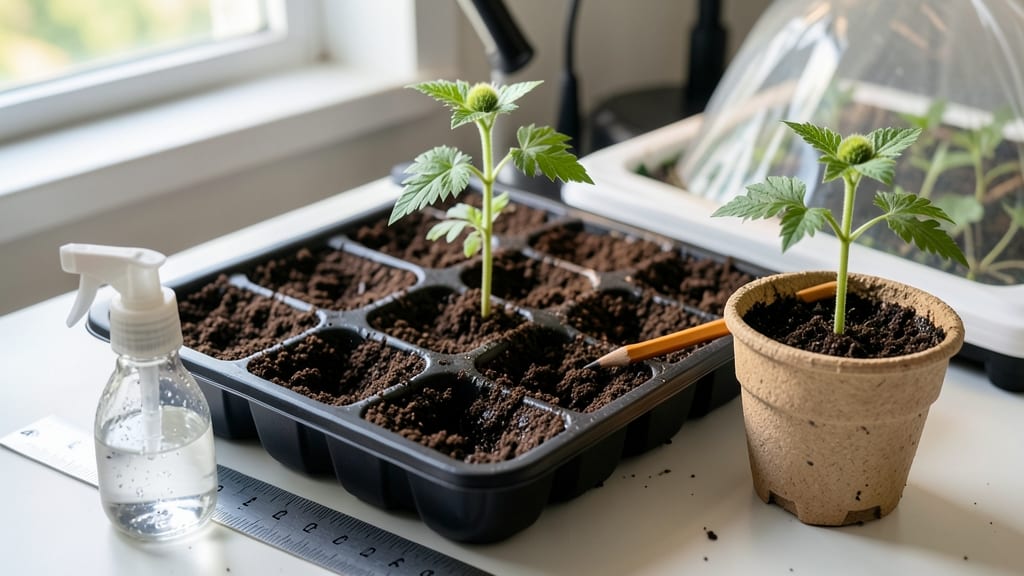
Starting cosmos seeds is the fastest way to get bursting blooms that last all summer—no waiting for nursery plants. 🌻 I’ve learned that the secret isn’t just patience; it’s a few simple tricks that turn flimsy seedlings into sturdy, flowering powerhouses in just 3-4 weeks.
The key is warm soil and bright light from day one. Cosmos seeds germinate best when soil stays between 70-80°F, so I use a seedling heat mat if my spring nights are chilly.
Once sprouted, they crave full sun—even indoors, a south-facing window or grow light keeps them from stretching into leggy shadows. By the time you’re hardening off seedlings, you’ll have foot-tall plants with buds already forming. The best part?
They’re tough enough to handle transplant shock, so you can move them outside earlier than most flowers. For those who want even faster results, try direct sowing after your last frost—cosmos seeds sprout reliably in warm soil, and the plants catch up quickly.
Either way, you’ll have a cloud of blooms by midsummer.
📚 In This Guide
- What you need
- Instructions
- Tips and common mistakes
- Wrapping up and next steps
What you need
- ● Cosmos seeds: 10–20 seeds (depending on desired plant count; check packet for spacing recommendations). Opt for Cosmos bipinnatus or Cosmos sulphureus for classic blooms.
- ● Seed-starting mix: 1–2 gallons of sterile, well-draining potting mix (avoid garden soil—it’s too dense!). Look for a blend labeled for seedlings.
- ● Containers: Seed trays with cells (50–72 count) OR
- ● Biodegradable pots (2–3 inches deep) OR
- ● Repurposed containers (yogurt cups, egg cartons) with drainage holes.
- ● Drainage medium: Perlite, vermiculite, or coarse sand (1 part per 4 parts soil) to improve aeration.
- ● Spray bottle (16 oz) for gentle watering—avoid over-saturating seeds!
- ● Plant labels (wooden sticks or plant markers) to track varieties.
- ○ Heat mat (optional): A seedling heat mat (70–75°F range) speeds up germination if your space is cool.
- ○ Grow lights (optional): A LED full-spectrum bulb (12–16 hours/day) if natural light is limited.
- ○ Misting fan (optional): Helps prevent damping-off in humid climates.
- ● Warmth: Ideal germination temp is 70–75°F (21–24°C). A sunny windowsill or greenhouse works!
- ● Bright, indirect light: Cosmos seeds need 6–8 hours of light daily post-germination.
- ● Patience: Germination takes 7–14 days—stay consistent with moisture!
Step-by-Step instructions for germinating cosmos seeds
Here’s the method I’ve used to get cosmos blooming in under 8 weeks—no fancy equipment, just smart timing and care.
🌱 Step 1: Prep Seeds for Faster Germination
Cosmos seeds germinate best when prepped properly. First, soak them in lukewarm water for 12-24 hours—this softens the tough outer shell and speeds up sprouting. I use a shallow bowl and let them sit undisturbed, checking occasionally to ensure they stay submerged.
After soaking, drain the seeds and spread them on a damp paper towel. Fold the towel to cover them lightly and place it in a sealed plastic bag for 24 hours. This mimics the moisture-rich conditions cosmos seeds prefer. You’ll see tiny cracks in the seed coats within a day—that’s your cue they’re ready to plant.
🪴 Step 2: Plant in Light, Well-Draining Soil
Fill small pots or seed trays with a lightweight seed-starting mix—cosmos hate soggy roots. I press the soil down gently to remove air pockets but keep it loose enough for tender sprouts to push through. Plant the prepped seeds ¼ inch deep, spacing them ½ inch apart to avoid overcrowding.
Water gently with a spray bottle until the soil is evenly moist but not saturated. Cosmos seeds need consistent moisture to germinate, but too much water can cause them to rot before they sprout. Place the pots in a warm spot (70-75°F)—a seedling heat mat helps if your home runs cooler.
☀️ Step 3: Provide Warmth and Indirect Light
Cosmos seeds germinate fastest in warmth and bright, indirect light. Cover the pots with a clear plastic dome or wrap them in plastic wrap to retain humidity—this creates a mini greenhouse effect. Check daily for condensation; if the soil dries out, mist lightly to keep it damp.
Germination typically takes 7-14 days, but with pre-soaking, you’ll often see sprouts in 5-7 days. Once they emerge, remove the cover immediately to prevent damping-off, a fungal disease that attacks young seedlings. Place the pots under grow lights or in a south-facing window for 12-14 hours of light daily—cosmos need strong light to stay stocky and healthy.
🌿 Step 4: Thin and Harden Off Seedlings
When seedlings reach 2 inches tall and have 2-3 true leaves, it’s time to thin them. Use scissors to snip the weaker seedlings at soil level—this prevents disturbing the roots of the ones you’re keeping. Space the remaining plants 2-3 inches apart to give them room to grow.
Two weeks before your last frost date, start hardening off the seedlings. Move them outdoors to a sheltered spot for 1-2 hours the first day, gradually increasing their time outside over 7-10 days. Cosmos are tough and adapt well, but this step ensures they’re ready for the garden without shock. Watch for wilting or yellowing leaves—if you see these, they’re not quite ready for full sun yet.
⏰ Step 5: Transplant and Maintain for Blooms
Transplant cosmos seedlings after all danger of frost has passed, spacing them 12-18 inches apart in full sun. They thrive in poor soil but grow best with average garden soil and moderate moisture. Water at the base to keep the soil evenly moist but not soggy—cosmos are drought-tolerant once established, but young plants need consistent watering.
Fertilize lightly with a balanced, water-soluble fertilizer (10-10-10) every 4-6 weeks to encourage lush growth. Deadhead spent blooms regularly to prolong flowering—this redirects the plant’s energy to producing more flowers instead of seeds. With proper care, you’ll have bursting cosmos blooms in just 8-10 weeks from seed!
Tips & tricks for perfect cosmos seed starting
Here's how to turn those tiny seeds into vibrant blooms faster than you'd expect—with minimal fuss.
Soaking Strategy: The 12-24 hour soak is non-negotiable, but here's the secret: use distilled or filtered water if possible. Tap water with high chlorine or minerals can inhibit germination. I've found that adding a drop of hydrogen peroxide (3%) to the soaking water helps prevent fungal issues while keeping seeds submerged. Once you see those tiny cracks appear after 24 hours, they're ready to plant—don't wait longer or they may dry out.
Lighting Hack: For Step 3, if you don't have grow lights, place your seed trays on a south-facing windowsill during the day and move them under a fluorescent shop light at night to maintain those crucial 12-14 hours of light. I've seen cosmos seedlings stretch dramatically when they don't get enough light—this is called "leggy" growth, and it weakens the stems. Keep the lights within 6 inches of the seedlings for best results.
Temperature Troubleshooting: That 70-75°F range is ideal, but most homes don't maintain consistent temperatures. If your home runs cooler, place the seed trays on top of your refrigerator (not inside) or use a seedling heat mat set to low. Conversely, if your kitchen gets too warm, move them to a cooler bathroom or basement. The key is consistency—cosmos seeds need stable warmth to germinate efficiently. I've seen germination times double when temperatures fluctuate too much.
Transplanting Timing: When transplanting in Step 5, wait until nightfall after your last frost date. The cooler evening temperatures help reduce transplant shock. I also recommend watering the seedlings thoroughly the day before transplanting—this gives their roots a head start in the garden soil. After planting, add a layer of mulch around the base to retain moisture and regulate soil temperature, which helps established plants handle temperature swings better.
Pro Tips for Cosmos Seed Starting
- Here's how to turn those tiny seeds into vibrant blooms faster than you'd expect—with minimal fuss.
- Soaking Strategy: The 12-24 hour soak is non-negotiable, but here's the secret: use distilled or filtered water if possible.
- I've seen cosmos seedlings stretch dramatically when they don't get enough light—this is called "leggy" growth, and it weakens the stems.
Frequently asked questions
Got questions about getting your cosmos seeds off to a flying start? Here are some of the most common ones—plus quick, actionable answers to keep your blooms thriving!
How long does it take for cosmos seeds to germinate?
Cosmos seeds typically sprout in 7–14 days under ideal conditions (warm soil, consistent moisture, and sunlight). If you’re impatient, try pre-soaking seeds overnight—this can cut germination time by a few days. Pro tip: Avoid overwatering; soggy soil can slow things down or even rot seeds!
Can I start cosmos seeds indoors too early?
Yes, but timing matters! Start seeds 4–6 weeks before your last frost date to avoid leggy seedlings. Use grow lights if natural light is weak, and transplant outdoors after the soil warms to at least 50°F (10°C). Cosmos handle transplanting well, but cold soil can stunt growth.
What if my cosmos seeds aren’t sprouting?
Don’t panic! Try these fixes:
- Check moisture: Keep soil consistently damp (not waterlogged).
- Test depth: Cosmos seeds need light to germinate—press them just below the soil surface (¼ inch max).
- Warmth boost: Place trays on a heat mat (70–75°F/21–24°C) for faster sprouting.
- Fresh seeds: Cosmos seeds lose viability after 1–2 years. If old, try a new batch!
Are there alternatives to starting cosmos from seed?
For a head start, buy seedling plugs from nurseries (springtime is best). Cosmos also self-seed easily—save seeds from spent blooms for next year! Just note: Grown-from-seed cosmos often have more vibrant colors than store-bought transplants.
Do cosmos seeds need light to germinate?
Yes! Unlike some seeds, cosmos require light to sprout. Plant them in shallow trays or press them lightly into the soil surface. Once sprouted, move seedlings to a sunny spot (6+ hours of light daily). Pro tip: A sunny windowsill or grow light works—just avoid harsh midday sun on delicate seedlings!
Wrapping up and next steps
Starting cosmos seeds is your gateway to vibrant, low-maintenance blooms that will brighten up any garden! 🌸 With the right temperature, moisture, and light, you can coax these cheerful flowers to sprout in record time.
Remember, patience and consistency are key—your hard work will soon reward you with a sea of colorful blossoms.
Now that you’re armed with these germination speed hacks, it’s time to roll up your sleeves and get planting! 🌱 Ready to turn your garden into a cosmos paradise? Start your seeds today and watch your blooms burst into life!