
Lawn
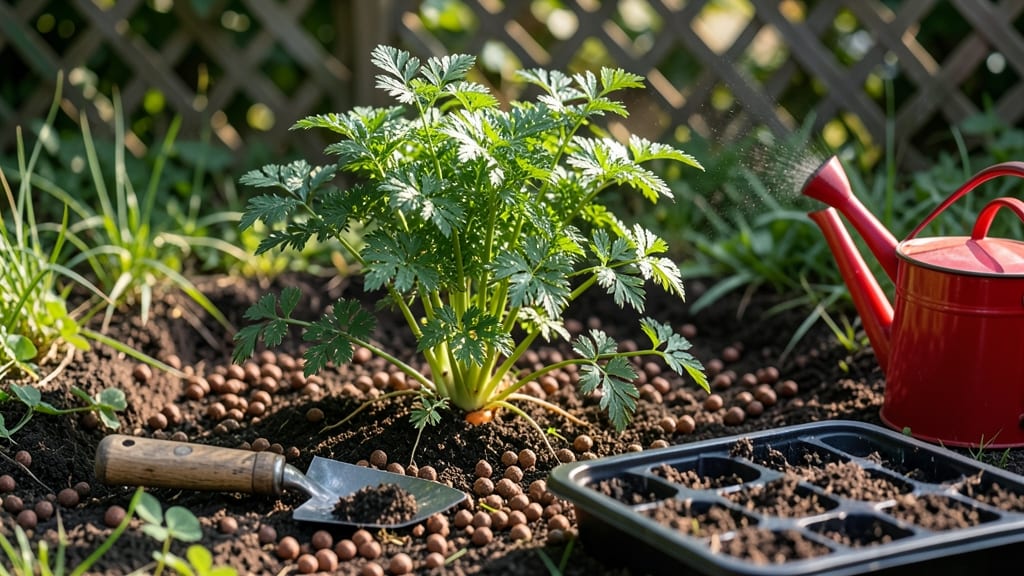
Carrot seed pellets transform lawn planting from guesswork to precision—no more patchy germination or wasted seed. 🌱 I’ve used them for three seasons now, and the difference in even, dense growth is night-and-day compared to traditional seeding.
The pellets dissolve into individual seeds when watered, giving you perfect spacing and eliminating the need for thinning seedlings later.
The secret to success starts with soil prep: rake out debris, loosen the top inch, and smooth the surface so the pellets can make direct contact with the earth. You’ll need about 1 pound of pellets per 500 square feet, spread evenly by hand or with a broadcast spreader.
Water gently but thoroughly right after sowing—this is when the pellets start their magic of releasing seeds at the perfect depth.
Within 7-14 days, you’ll see the first green shoots pushing through the grass, and by 4-6 weeks, you’ll have a lush, uniform carpet of new growth. The biggest mistake I see?
Overwatering after germination—keep the soil moist but not soggy, and avoid heavy foot traffic until the seedlings are at least 3 inches tall.
This method works for both new lawns and patchy areas, and it’s especially great for cool-season grasses like fescue or rye. Once you try it, you’ll never go back to traditional seeding—it’s the foolproof way to get a lawn that looks like it belongs in a magazine.
Let’s get those pellets in the ground!
📚 In This Guide
- What you need
- Instructions
- Tips and common mistakes
- Wrapping up and next steps
What you need
- ● Carrot seed pellets – 1–2 lbs (adjust based on lawn size; ~1 lb covers ~1,000 sq ft). Look for high-quality, organic pellets (e.g., Daucus carota seeds).
- ● Broadcast spreader – A handheld or tow-behind model for even distribution (calibrated for pellet-specific settings).
- ● Lawn mower with mulching setting – Ensures short, even grass before seeding (mow to 1.5–2 inches).
- ○ Garden rake or lawn aerator – Optional but recommended for loosening soil and improving seed-to-soil contact.
- ● Lightweight topsoil or compost – 5–10 lbs (for patchy areas or bare spots).
- ● Watering can or hose with adjustable nozzle – For gentle, consistent moisture (avoid high pressure).
- ○ Lawn roller (optional) – 10–20 lbs to lightly press seeds into soil (only if soil is dry).
- ● Ideal planting conditions: Cool-season months (spring/fall), 50–70°F soil temp, and light rain forecast (or daily watering).
- ○ Soil test kit (optional) – Check pH (6.0–7.0) and adjust with lime/sulfur if needed.
- ○ Weed barrier cloth (optional) – For areas with persistent weeds (lay before seeding).
- ● Fertilizer (low-nitrogen, high-phosphorus) – 5–10–10 NPK ratio, applied 2 weeks before or after seeding.
Step-by-Step guide to planting carrot seed pellets for a lush lawn
Here's how I transform seed pellets into a vibrant, weed-resistant lawn—no guesswork involved.
🌱 Step 1: Prepare the Soil for Maximum Germination
Test your soil's pH first—carrots thrive in 6.0-7.0 range. If needed, amend with lime or sulfur to adjust. Loosen the top 6 inches of soil with a broadfork or tiller, breaking up compaction without disturbing deeper layers. I like to rake afterward to create a fine, crumbly texture—think "powdery sugar" consistency.
Remove all debris and stones larger than ½ inch; they'll create air pockets that stunt root development. If your soil feels dry, water lightly until it's moist 2 inches deep. The goal is damp but not soggy—press your finger in and feel resistance, not mud.
🌱 Step 2: Spread Seed Pellets with Precision
Use a broadcast spreader set to its lowest setting—pellets are concentrated, and overapplication leads to overcrowding. Walk in straight lines, overlapping slightly with each pass to ensure even coverage. I aim for 1 pound of seed pellets per 1,000 square feet, which translates to roughly 1/8 inch deep when spread uniformly.
For small areas, use a hand spreader or even a pie plate with holes punched in the bottom. Lightly rake the area again to ensure pellets make contact with soil, but don't bury them—they need light to germinate. If you see bare spots after spreading, spot-treat with additional pellets rather than reseeding the entire area.
☀️ Step 3: Maintain Ideal Moisture and Light Conditions
Keep the soil consistently moist for the first 2-3 weeks—this is critical for pellet germination. Water gently with a fine mist or soaker hose twice daily if temperatures exceed 80°F. You'll know moisture is right when the top ½ inch feels damp but not saturated; puddles mean you're overwatering.
Thin seedlings to 2-3 inches apart once they reach 2 inches tall. Use scissors to snip at soil level rather than pulling—this prevents disturbing roots of remaining plants. I time this step for early morning when plants are turgid; you'll see stronger regrowth within 5-7 days.
⏰ Step 4: Fertilize and Monitor for Weed Competition
Apply a low-nitrogen fertilizer (5-10-10 ratio) when seedlings reach 3 inches tall. Carrots need phosphorus for root development, not leafy growth. I use a spreader set to half-strength to avoid burning tender foliage. Water immediately after fertilizing to activate nutrients in the soil.
Watch for weeds—carrot seedlings grow slowly at first. Hand-pull any broadleaf weeds immediately; they'll steal nutrients and shade out your carrots. Mulch with ¼ inch of straw after thinning to retain moisture and suppress weeds without smothering your plants.
Tips & tricks for perfect carrot seed pellet planting
These precision planting strategies will help you avoid common mistakes and achieve that lush, weed-resistant lawn you're dreaming of.
Soil Preparation Secret: The "powdery sugar" texture in Step 1 isn't just about looks—it creates the perfect seedbed for pellet germination. After tilling, run your fingers through the soil; it should feel like fine sandpaper. If you see clumps larger than a pea, break them up further. This prevents air pockets that would otherwise block moisture and root growth.
Precision Spreading Technique: When using the broadcast spreader in Step 2, walk in a "W" pattern rather than straight lines. This eliminates missed spots that can occur with parallel passes. For those tricky corners, fold a paper towel into a cone and use it to spot-treat edges—it's more accurate than trying to adjust the spreader settings. The 1/8-inch depth guideline is your target, but remember: pellets are concentrated, so less is more.
Moisture Management Mastery: The 2-3 week moisture window in Step 3 is non-negotiable, but here's the pro move: use a moisture meter to check the top ½ inch of soil. Aim for readings between 30-40%—this is the "Goldilocks zone" for germination. If your meter isn't available, the "squeeze test" works: gently press the soil—it should hold its shape when released but not be sticky. Overwatering at this stage causes more pellet loss than underwatering.
Thinning Strategy: For the thinning step in Step 3, I've found that using a pair of sharp kitchen scissors works better than garden shears—they give you more control. Time your thinning for a cloudy morning when temperatures are below 75°F. The 5-7 day regrowth window assumes these ideal conditions; in hotter weather, you might see regrowth in just 3-4 days. Always thin to the strongest seedlings—look for ones with vibrant green leaves and no signs of yellowing.
Pro Tips for Carrot Seed Pellets
- These precision planting strategies will help you avoid common mistakes and achieve that lush, weed-resistant lawn you're dreaming of.
- Soil Preparation Secret: The "powdery sugar" texture in Step 1 isn't just about looks—it creates the perfect seedbed for pellet germination.
- Precision Spreading Technique: When using the broadcast spreader in Step 2, walk in a "W" pattern rather than straight lines.
Frequently asked questions
Got questions about maximizing your lawn’s potential with carrot seed pellets? You’re not alone! Here are answers to the most common queries—so you can grow a lush, vibrant lawn with confidence.
What’s the best time of year to plant carrot seed pellets for a lawn?
For optimal results, plant carrot seed pellets in early spring (as soon as the soil warms to 50°F+) or late summer (60 days before your first frost). Avoid planting in extreme heat or cold—seedlings need consistent moisture and moderate temperatures (60–75°F) to germinate and establish roots. Pro tip: Test soil moisture 1–2 inches deep before planting; it should feel like a damp sponge!
How long does it take for carrot seed pellets to germinate?
Germination typically takes 7–21 days, depending on soil temperature, moisture, and sunlight. Keep the area consistently moist (not soggy) and expect the first sprouts in about 10–14 days under ideal conditions. If germination takes longer than 3 weeks, check for poor soil contact or dry soil—gently water the area again and monitor for progress.
Do I need to water carrot seed pellets differently than regular grass seed?
Yes! Carrot seed pellets require gentler, more frequent watering to prevent erosion and ensure even moisture. Water lightly 2–3 times daily (about 5–10 minutes per session) for the first 2 weeks, keeping the top inch of soil damp. Once seedlings are 2–3 inches tall, switch to deep, infrequent watering (1–1.5 inches per week) to encourage root growth. Avoid overhead sprinklers that can dislodge pellets.
Can I use carrot seed pellets in shady areas of my lawn?
While carrot seed pellets thrive in full sun to partial shade (4–6 hours of sunlight daily), they may struggle in deep shade (less than 2 hours of sun). For shady spots, mix pellets with a shade-tolerant grass seed (like fine fescue) or consider a clover or moss blend for better coverage. If using pellets alone, expect slower growth and less dense coverage—supplement with a slow-release fertilizer to support development.
What should I do if my carrot seed pellets aren’t sprouting after 3 weeks?
Don’t panic! First, check for three common issues:
- Dry soil: Pellets may not have absorbed enough moisture. Re-wet the area gently and cover with a thin layer of straw to retain humidity.
- Poor soil contact: If pellets weren’t pressed into the soil, gently press them in with a rake or board.
- Temperature or light issues: If soil temps are <50°F or >85°F, germination slows. Move to a warmer, sunnier spot (like a greenhouse tray) temporarily.
Wrapping up and next steps
Carrot seed pellets offer a game-changing way to achieve a lush, vibrant lawn with minimal effort—thanks to their precision planting and high germination rates. Whether you're a seasoned gardener or a beginner, these tiny powerhouses make lawn care easier and more effective.
Now that you’re armed with the right knowledge, why not take the next step? Grab your pellets, mark your calendar, and give your lawn the upgrade it deserves!
Pro tip: 🌱 Start small—try a 5x5 ft patch first to perfect your technique before tackling the whole yard!