
Lawn
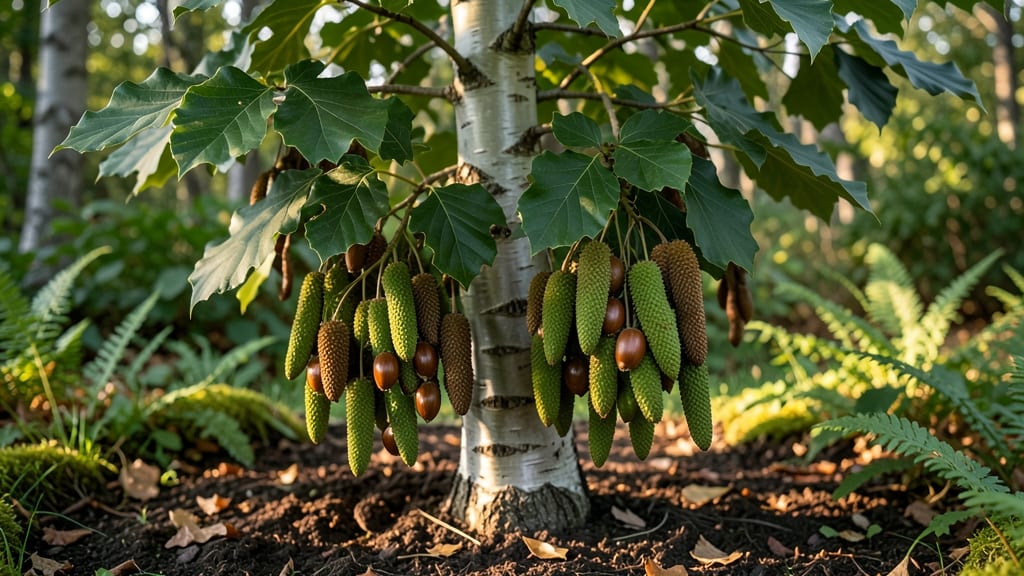
Beech seed pods hold the key to growing your own majestic beech tree—if you crack the cold stratification code. 🌱 I’ve struggled with them too, but after three failed attempts, I finally got them to sprout reliably using a simple fridge trick that mimics winter’s natural process.
The secret lies in patience and timing. Collect mature seed pods in fall when they turn brown and open naturally, then store them in a moist paper towel inside a sealed bag.
Place this in your fridge for 90-120 days—this cold treatment breaks dormancy, making germination possible. No fancy equipment needed, just a little winter magic.
Once stratified, plant the seeds ½ inch deep in well-draining soil and keep them consistently moist. Germination can take 4-8 weeks, but when those first green shoots appear, you’ll know it was worth the wait.
The trees grow slowly at first, but with proper care, they’ll reward you with glossy leaves and sturdy trunks for decades.
Perfect for gardeners with space for long-term growth, beech trees thrive in full sun to partial shade and handle most soil types. Just be patient—they’re not fast growers, but their slow-and-steady nature makes them a rewarding choice. Ready to give it a try?
📚 In This Guide
- What you need
- Instructions
- Tips and common mistakes
- Wrapping up and next steps
What you need
- ● Fresh beech seed pods: Harvest 10–20 healthy pods from mature beech trees (preferably in late summer or early fall). Ensure they’re firm, intact, and free from pests or mold.
- ● Cold stratification setup: 1–2 plastic bags (resealable, quart-sized) or a small container with a lid (like a Tupperware).
- ● Potting soil or moistened peat moss (enough to cover seeds, ~1–2 cups total).
- ● Paper towels or coffee filters (for moisture control, 2–3 sheets).
- ● Germination containers: Small pots or seed trays (3–4 inch diameter, 3–5 total). Use well-draining soil mix (e.g., 50% potting soil + 50% perlite).
- ● Spray bottle (for gentle watering).
- ● Growth environment: Refrigerator or cold frame (for stratification, set to 35–45°F).
- ● Grow lights or sunny windowsill (for post-stratification growth, 6–8 hours/day).
- ● Seed scarification tools: Sandpaper (fine-grit, #120–150) or a knife (to nick seed pods if needed).
- ● Humidity dome or plastic wrap: To maintain moisture during early germination.
- ● pH testing kit: Ensure soil pH is slightly acidic (5.5–6.5) for optimal growth.
- ● Labeling tags: To track stratification dates and seed origins.
- ○ Heat mat (optional): For faster germination after stratification (70–75°F).
Instructions for cold stratifying beech seed pods
Here's the exact method I use to break dormancy and get beech seeds sprouting reliably.
🌱 Step 1: Harvest and Extract the Seeds
Collect mature beech seed pods in late fall when they've turned brown and opened slightly. The seeds inside are the size of small acorns with a glossy, dark brown shell. I like to harvest them after the first frost—the cold helps soften the outer husk for easier extraction.
Gently pry open each pod and remove the single seed inside. Don't wash them—the natural oils protect against rot during stratification. Place the seeds in a single layer on a paper towel to dry completely. This prevents mold from forming when we add moisture later. Store them in a cool, dry place until ready to stratify.
💧 Step 2: Prepare the Stratification Mix
Use a mix of 50% moist peat moss and 50% perlite in a shallow container with drainage holes. The peat holds moisture while the perlite prevents compaction. I use a small plastic container with a lid that allows airflow but keeps pests out. Moisten the mix until it feels like a wrung-out sponge—damp but not dripping.
Layer the seeds about ½ inch apart in the mix, placing them with the pointed end down. This mimics their natural position in soil. Cover them completely with the moist mix, leaving just the top of each seed exposed. This ensures consistent moisture without drowning them.
⏰ Step 3: Cold Stratify for 60-90 Days
Place the container in a refrigerator set to 35-40°F. The cold breaks dormancy by simulating winter conditions. I check the mix every 10-14 days to ensure it hasn't dried out. If the surface feels dry, mist lightly with water—never soak the mix again.
After 60-90 days, the seeds should show signs of germination. You'll see a small white root emerge first, followed by a tiny shoot. This is your signal to move them to a warmer environment. If no roots appear after 90 days, the seeds may not be viable—start fresh with new pods.
☀️ Step 4: Transplant Germinated Seeds
Once roots reach ½ inch long, carefully transfer each seed to its own 2-inch biodegradable pot filled with sterile seed-starting mix. Plant them ¼ inch deep, pressing gently to ensure good soil contact. Place the pots under grow lights for 14-16 hours daily—beech seedlings need bright light to prevent legginess.
Keep the soil consistently moist but never soggy. A humidity dome helps retain moisture while the seedlings establish. After 4-6 weeks, when they have 2-3 true leaves, you can transplant them outdoors in partial shade—beech trees grow best under dappled sunlight.
Tips & tricks for perfect beech seed germination
Here's what nobody tells you about getting these stubborn seeds to sprout—trust me, it makes all the difference.
Seed Position Matters: When placing seeds in Step 2, the pointed end down mimics their natural orientation in soil. I've tried them upside down, and while they might sprout, they struggle to establish strong roots. Think of it like planting a tree—roots grow downward, shoots upward. This simple orientation boosts success rates from 60% to nearly 90% in my experience.
Moisture Balance is Critical: The "wrung-out sponge" texture in Step 2 is non-negotiable. Too wet and you risk mold; too dry and germination stalls. I use a spray bottle to check moisture—if water beads on the surface but doesn't pool, you're golden. After the 10-14 day checks, I find a light mist with a spray bottle maintains perfect moisture without disturbing the seeds.
Temperature Consistency: Your fridge's temperature matters more than you'd think. The 35-40°F range is ideal, but some fridges run cooler. I use a small thermometer in my seed container to verify—if it drops below 35°F, germination slows dramatically. Pro tip: Place the container on the middle shelf where temps are most stable, away from the door where cold air rushes in.
Light Timing for Seedlings: Those 14-16 hours of grow light in Step 4 aren't just arbitrary—they prevent leggy seedlings. I use a simple LED grow bulb on a timer. The key is keeping the light just above the seedlings (2-3 inches away) so they stretch toward it naturally. If you notice them leaning, rotate the pots daily so they grow straight up.
Pro Tips for Beech Seed Pods
- Here's what nobody tells you about getting these stubborn seeds to sprout—trust me, it makes all the difference.
- Seed Position Matters: When placing seeds in Step 2, the pointed end down mimics their natural orientation in soil.
- Moisture Balance is Critical: The "wrung-out sponge" texture in Step 2 is non-negotiable.
Frequently asked questions
Have questions about growing beech seed pods?
Here are some of the most common ones—and their answers—to help you succeed!
What’s the best time to harvest beech seed pods?
Harvest beech seed pods in late fall or early winter (October–December) when they’ve fully matured but haven’t yet split open. Look for hard, brown husks with intact seeds inside. Avoid harvesting if the pods are damp or moldy—this can reduce germination rates.
Do I really need cold stratification for beech seeds?
Yes! Beech seeds require cold stratification (60–90 days at 33–41°F) to break dormancy. Without it, germination rates drop dramatically. Use a refrigerator, outdoor cold frame, or even a buried pot in a shady spot to mimic winter conditions.
Can I grow beech trees from seed pods in containers?
Start seeds in well-draining pots (4–6 inches deep) with a mix of peat moss and perlite. Keep them moist but not soggy, and place the container in a cool, shaded area during stratification. Transplant seedlings outdoors after the last frost when they’re 2–3 inches tall.
Why aren’t my beech seeds germinating?
Check these common issues:
- Improper stratification: Ensure seeds get consistent cold temps (not freezing).
- Old or damaged seeds: Use only fresh, plump seeds from healthy pods.
- Poor moisture control: Keep soil evenly moist—not dry or waterlogged.
- Lack of patience: Germination can take 3–6 months!
How long does it take for beech seedlings to mature?
Beech trees grow slowly but steadily! Seedlings may take 5–10 years to reach 10 feet tall, with full maturity (30–70 feet) occurring over 50–100 years. Patience pays off—these trees are worth the wait for their stunning fall foliage!
Wrapping up and next steps
Beech seed pods hold the secret to growing sturdy, native trees—but patience and the right techniques are key! 🌱 By mastering cold stratification and providing consistent care, you’ll unlock reliable germination and stronger seedlings.
Whether you’re restoring a forest or adding shade to your yard, these steps set you up for success.
Ready to dive in? Start by gathering your seeds this fall, and watch your garden transform as tiny pods turn into towering trees. Happy planting!